
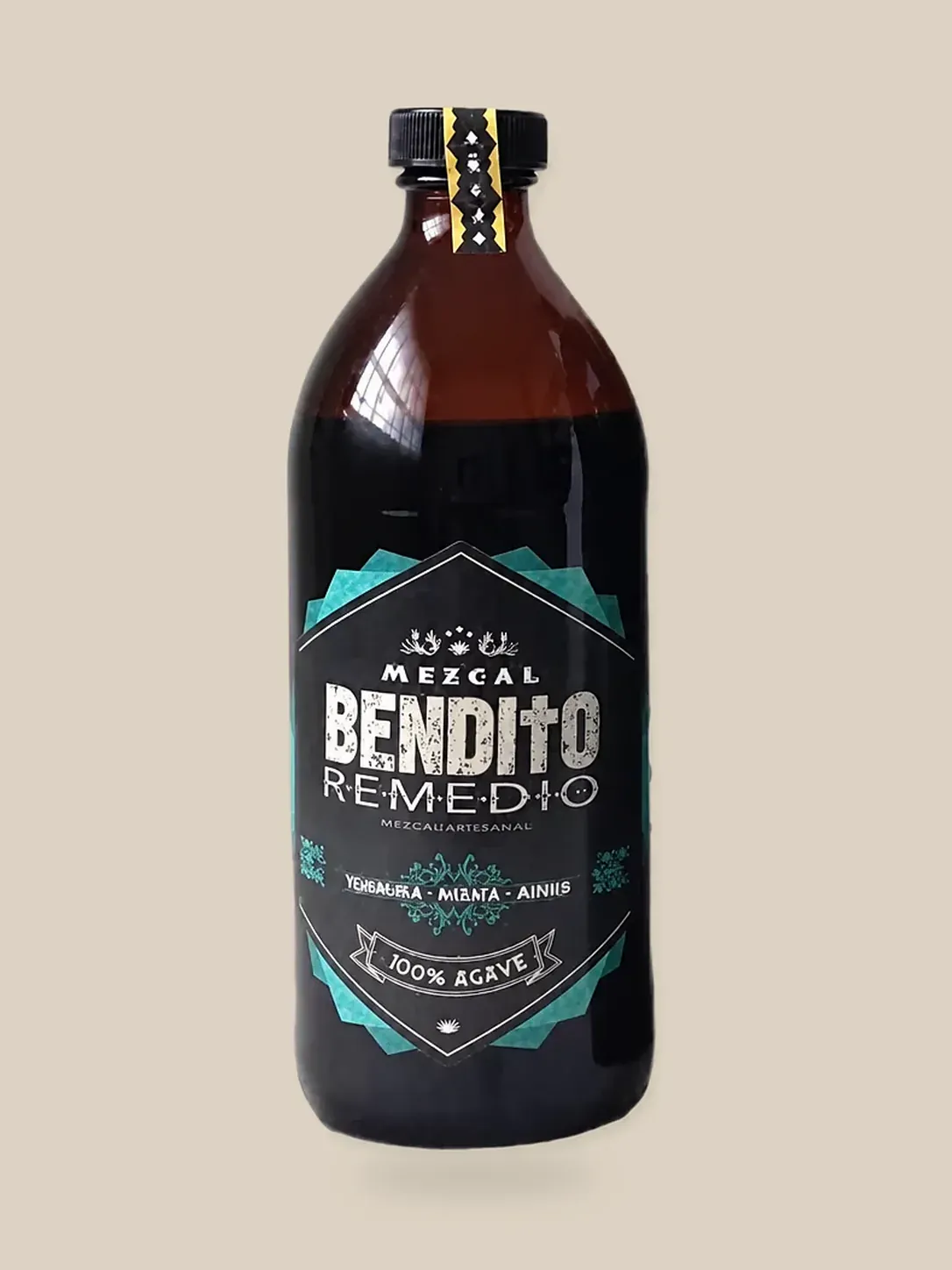
Hecho a Mano, Hecho en México
Bendito Remedio
An Oaxaca mezcal house built on three pillars: handmade, organic and environmentally friendly. Bendito Remedio pairs artisanal Espadín from Tlacolula with ancestral wild-agave mezcals from Sola de Vega.
Artisanal & AncestralWild AgaveClay-Pot Distilled
THE BRAND
About Bendito Remedio
Region
Towns
Las Calaveras · Tlacolula
Mezcaleros
Website
EXPLORE THE COLLECTION
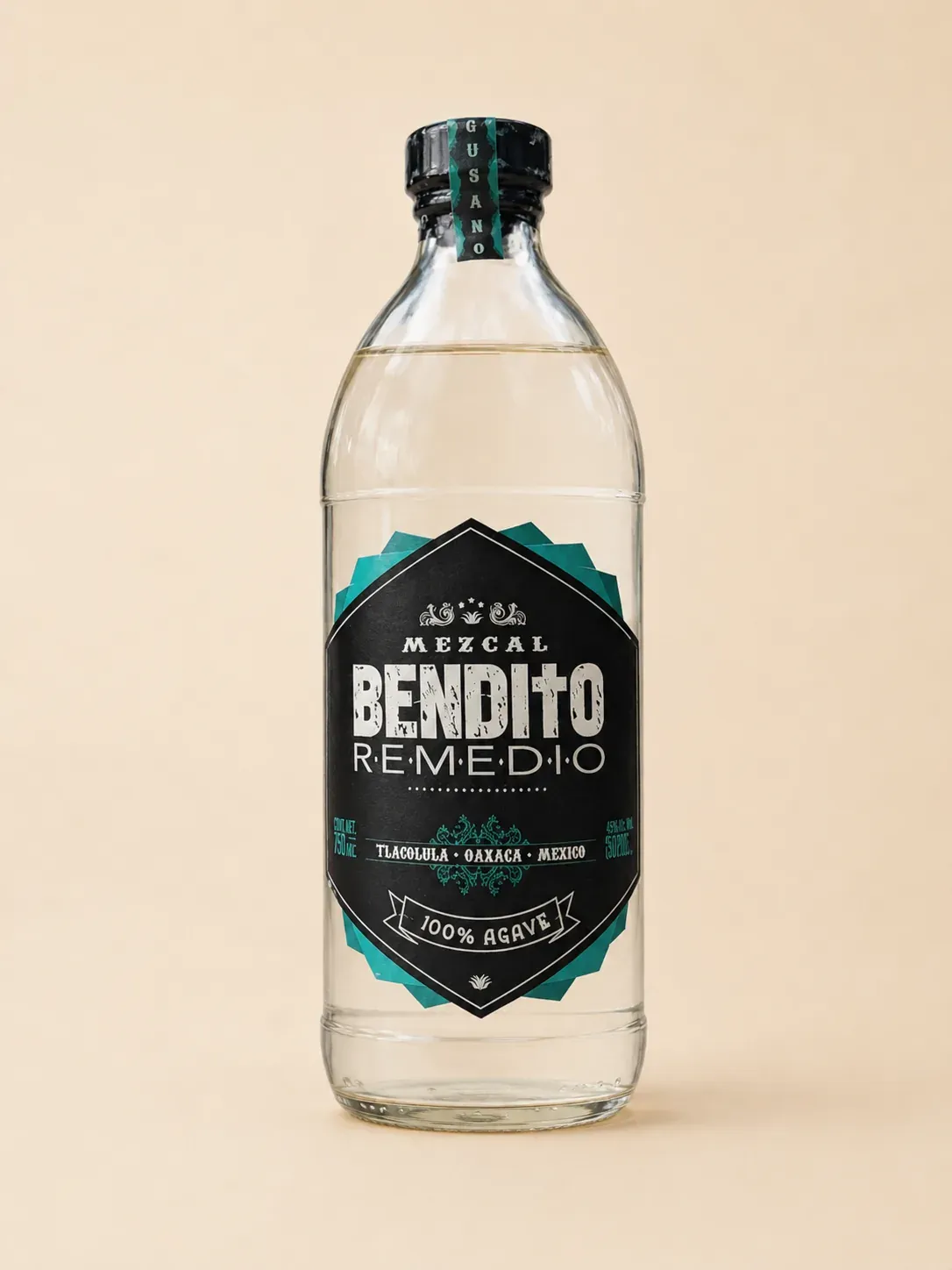
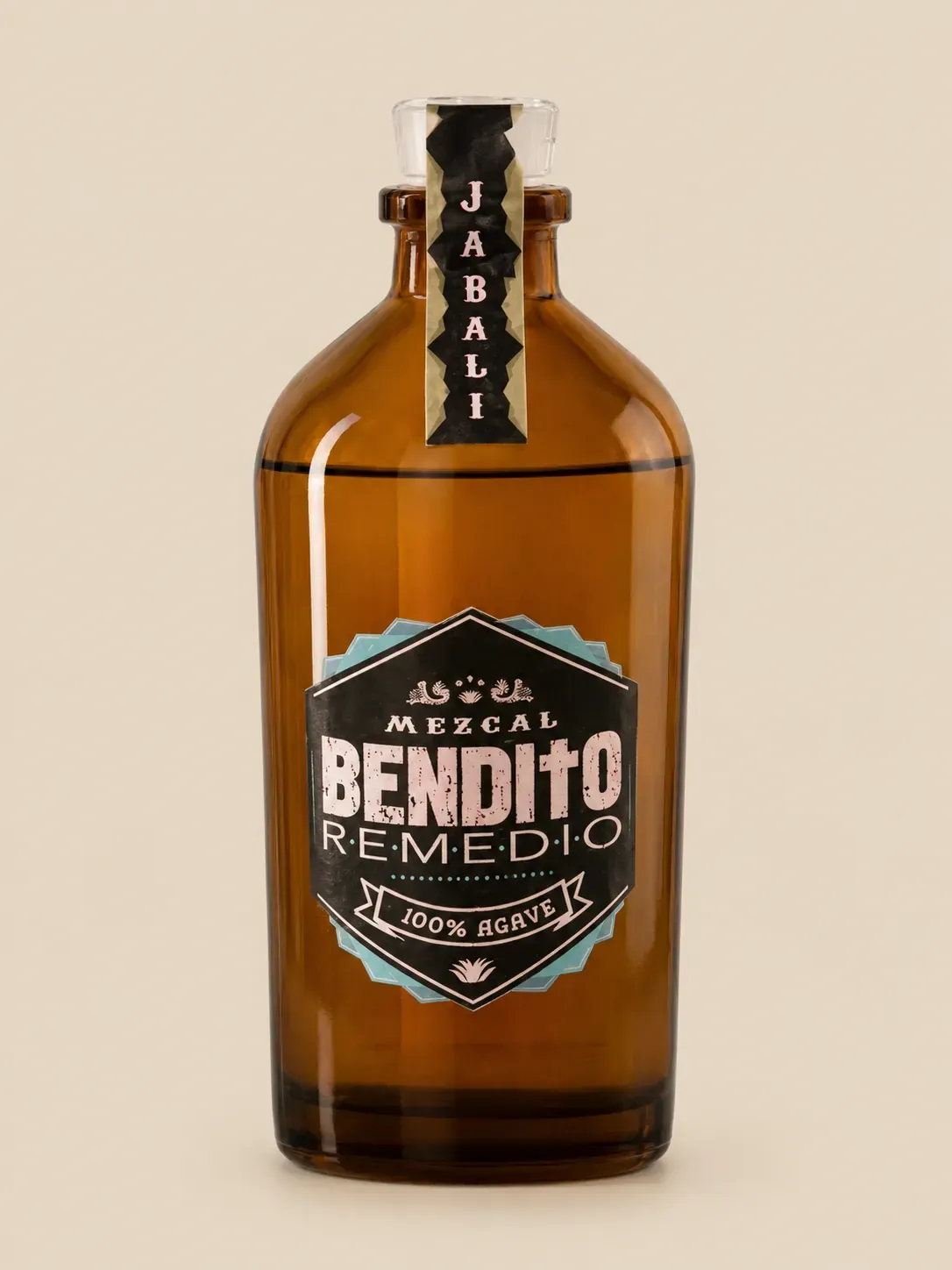
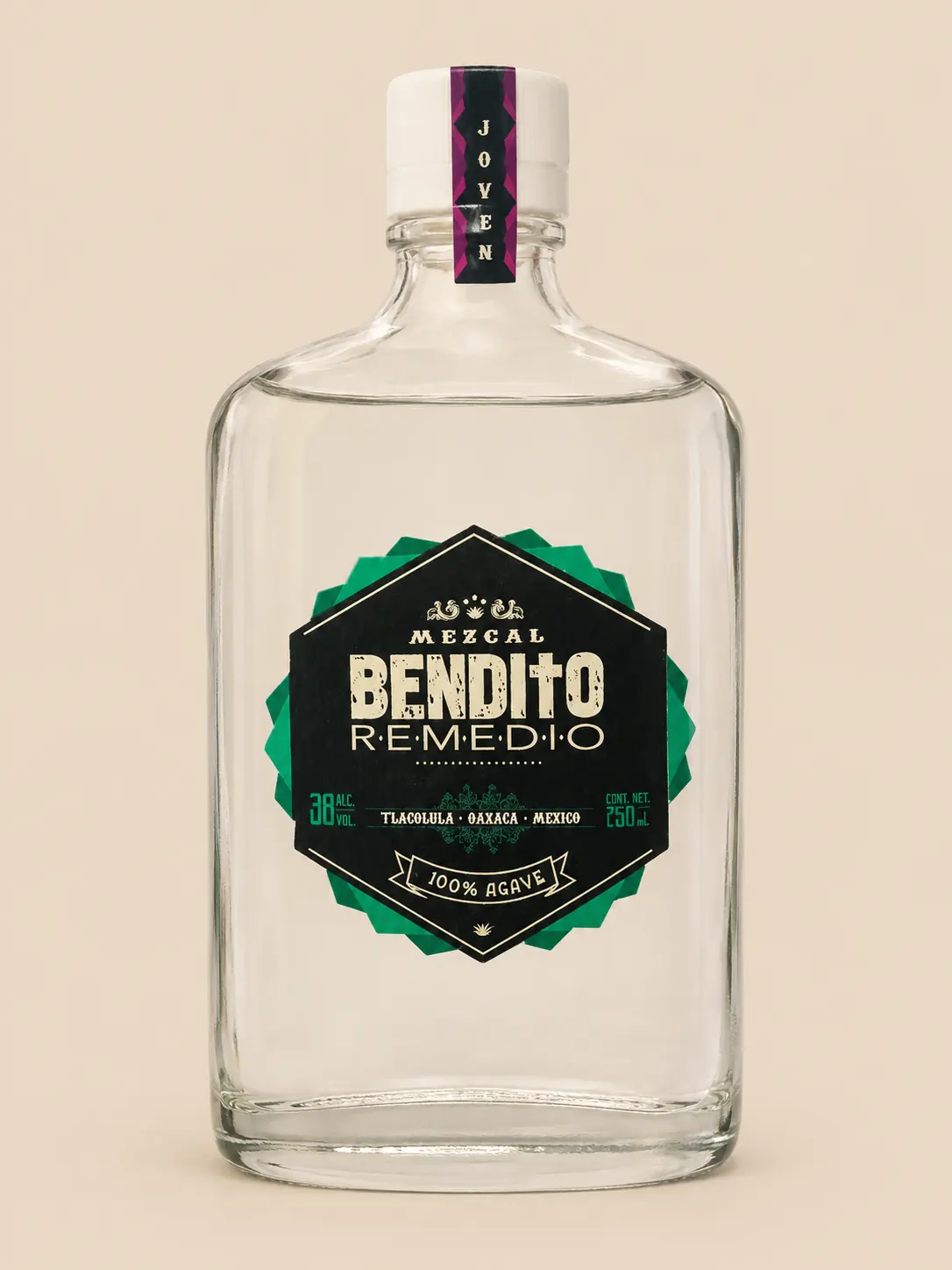
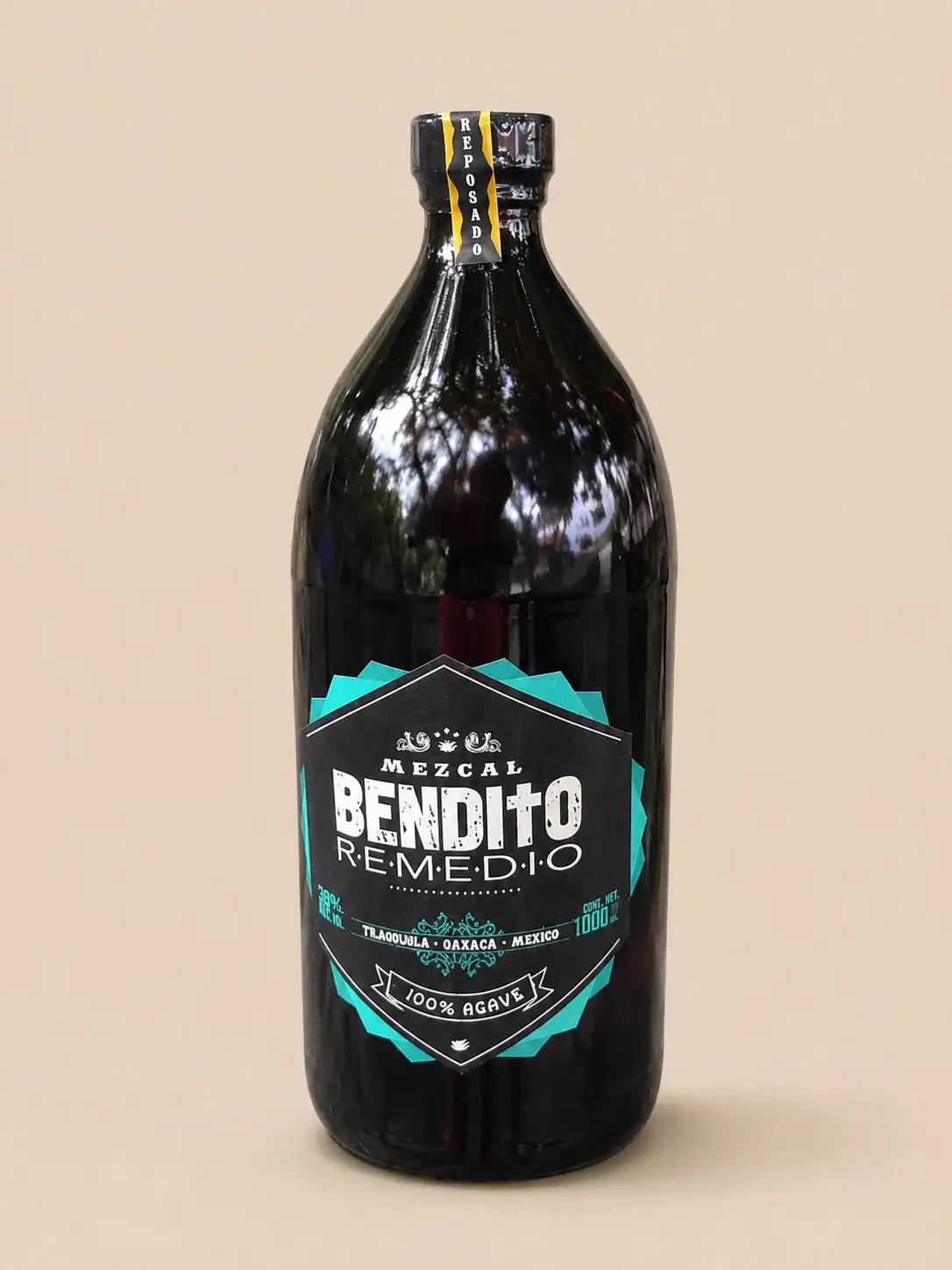
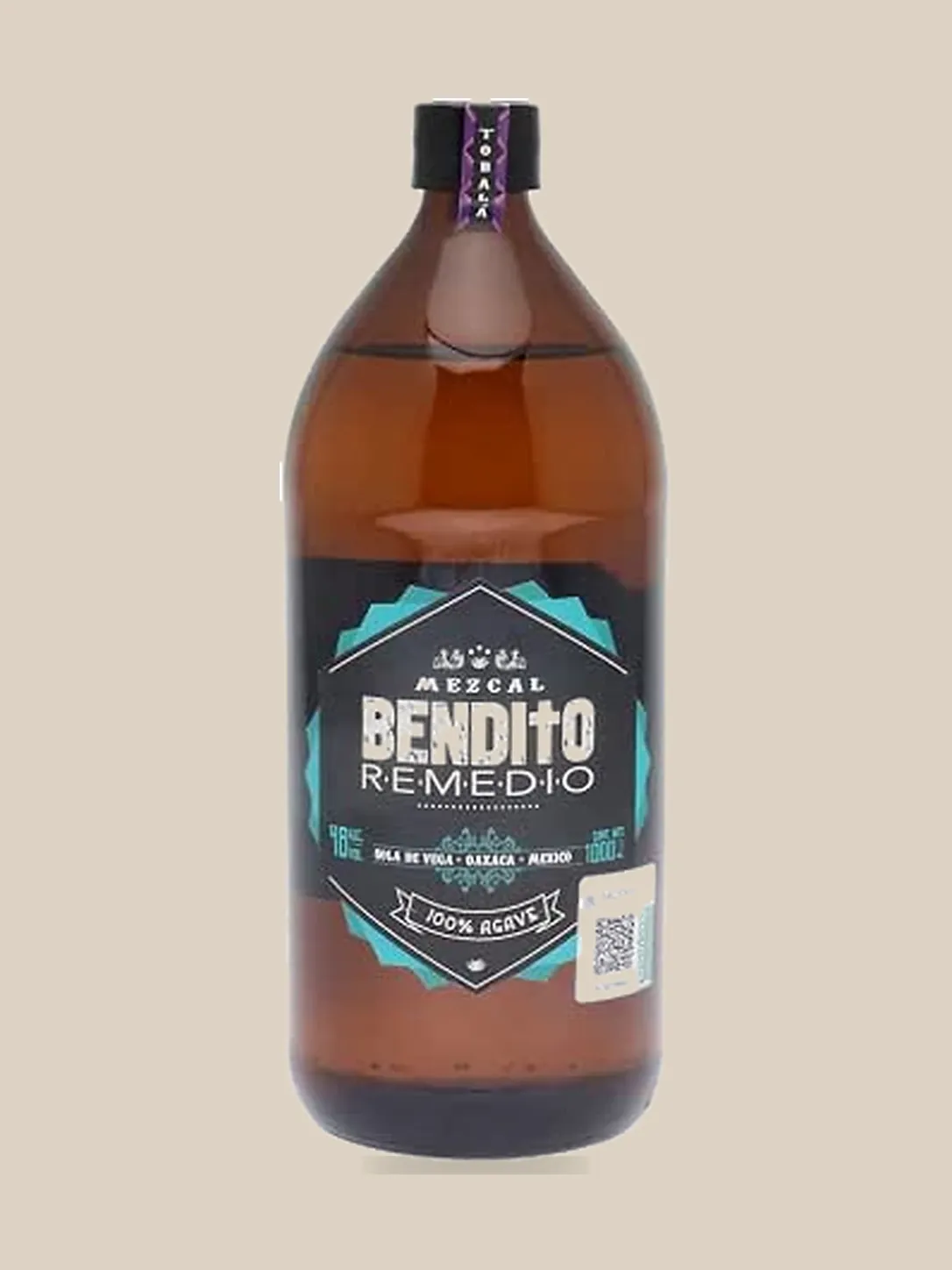
Bottle Lineup
Awards and recognition
Silver medals for Bendito Remedio's Mezcal
Bendito Remedio has earned silver-medal recognition for its ancestral Jabalí and its Espadín joven, and its mezcals have been reviewed in a professional blind tasting.
- Silver Medal (2017): Jabalí, Sola de Vega
- Silver Medal: Joven Espadín
- Featured: Revista El Conocedor blind tasting
The story behind Bendito Remedio
Bendito Remedio is an artisanal mezcal from Oaxaca. The name is Spanish for "blessed remedy," and the whole look follows from it. Bottles modeled on apothecary flasks, a pharmacist figure on the label. The brand is based in Oaxaca City.
Two very different mezcals carry the same name. From Tlacolula, in the Central Valleys, comes an Espadín distilled in copper. From Sola de Vega, high in the Sierra Sur, come the wild-agave bottles, distilled in clay pots the ancestral way. Organic, 100% agave, both of them.
Behind the Sola de Vega side is a maestro named Marino Barragán. His agaves grow wild. Jabalí, Tobalá, Tepextate, Coyote, Barril, most of them left alone in the mountains for more than ten years before harvest.
Range-wise, there's plenty. Joven, Reposado, Añejo, and one bottled con gusano. Then a run of single-agave wild releases, each pinned to its own maguey and village. And stamped across all of it, "Hecho a Mano, Hecho en México".
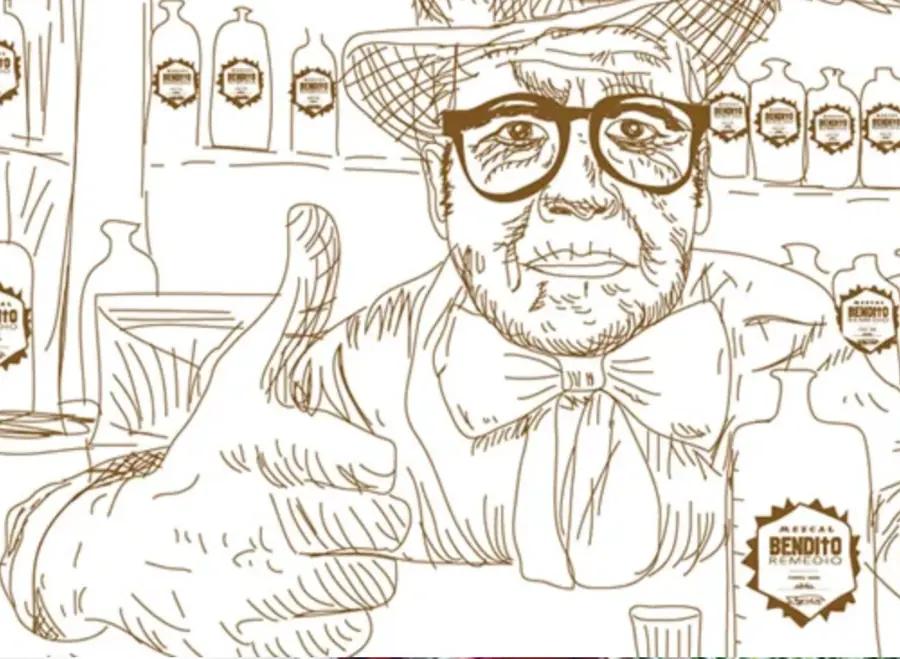
Bendito Remedio’s identity
The Doctor and his mezcal remedies
Bendito Remedio means “blessed remedy,” and the brand takes the name quite literally. Its Doctor stands behind a counter filled with mezcal, presenting each bottle as another remedy from his Oaxaca botica.
The idea continues through the amber pharmacy bottles and labels inspired by old prescriptions. Under Botica de mis Remedios, the Espadín is recommended “to bring joy and cure ailments,” with one glass before and after eating.
The Doctor connects a range made across different parts of Oaxaca. Agaves, maestros, and production methods change from bottle to bottle, but each expression still leaves the shelf as a Bendito Remedio.
How Bendito Remedio mezcal is made
Bendito Remedio follows two production traditions in Oaxaca. Its Tlacolula mezcals are crushed with a horse-drawn stone wheel and distilled in copper, while the ancestral Sola de Vega releases are crushed by hand and distilled in clay pots.
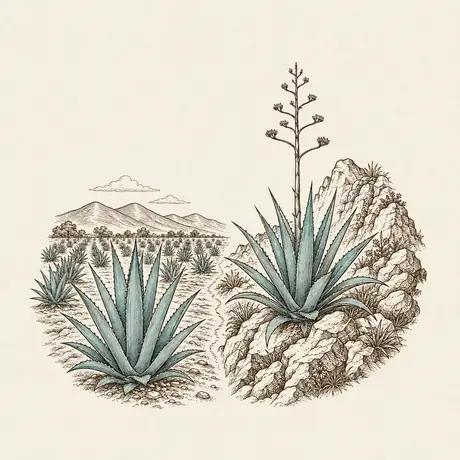
01 · Agave
Agaves from two parts of Oaxaca
Espadín and Tobalá come from Tlacolula in the Central Valleys. Arroqueño, Barril, Coyote, Jabalí, and Tepeztate come from communities in Sola de Vega.
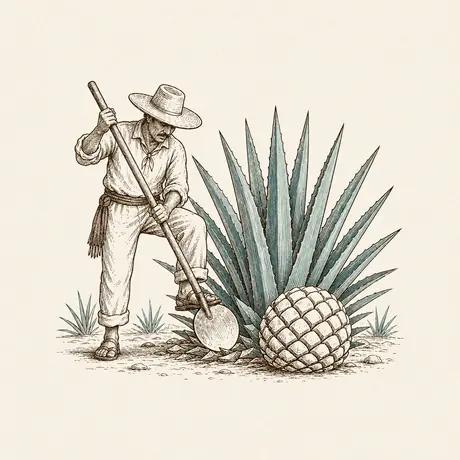
02 · Harvest
Harvested at full maturity
Maturity varies between agaves, with Arroqueño and Barril reaching around 15 years before harvest. Once ready, the pencas are removed and the piña is taken to the palenque.
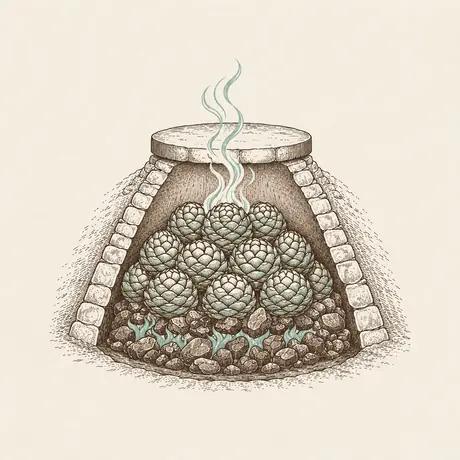
03 · Cooking
Cooked in conical stone ovens
The Tlacolula agaves are cooked in a conical stone oven. In Sola de Vega, the ancestral mezcals are cooked in an unlined conical oven built with local stone.
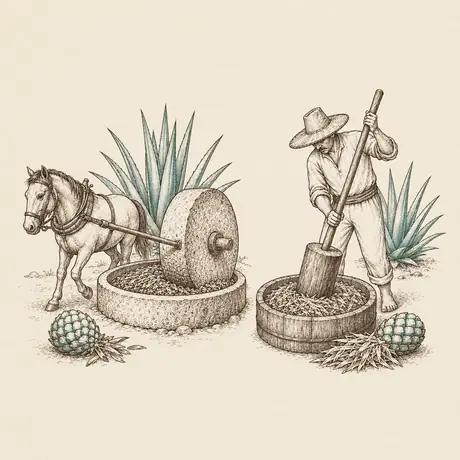
04 · Crushing
Stone wheel or wooden mallet
Cooked agave in Tlacolula is crushed by a horse-drawn stone wheel. In Sola de Vega, the piñas are broken down by hand with a wooden mallet.
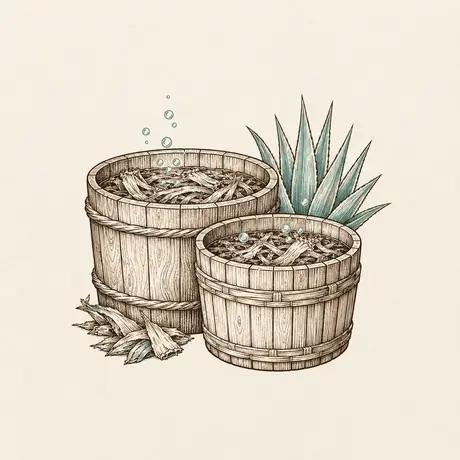
05 · Fermentation
Oak or sabino fermentation vats
The Tlacolula mezcals ferment in oak vats. The ancestral batches from Sola de Vega ferment in vats made from sabino wood.
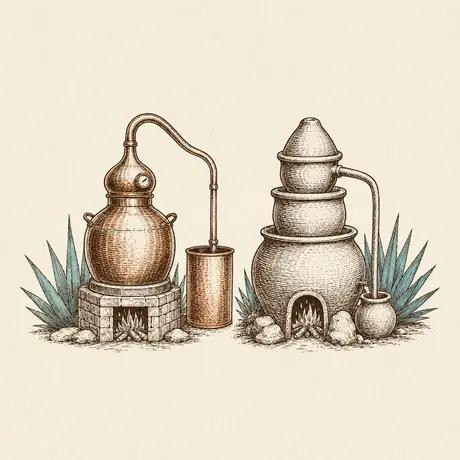
06 · Distillation
Double distilled in copper or clay
Two distillations are used throughout the range. Tlacolula uses copper alembic stills, while the ancestral mezcals from Sola de Vega are distilled in traditional clay pots.
From Espadín to the wild agaves
Bendito Remedio uses several different agaves. Some are farmed, some grow wild. How each one is cooked and distilled is what gives it its flavor.
Espadín is the main one. It grows about seven years in Tlacolula, then gets roasted in a stone oven and milled with a horse-drawn tahona before it's distilled in copper. Copper keeps things clean, which is why this one tastes sweeter, with citrus, cooked agave and a bit of green herb over light smoke.
Sola de Vega is where the wild agaves come from, and they're made differently. Uncovered stone pit, hand-crushed with a wooden mallet, distilled in clay pots. That makes them earthier and smokier, with a mineral, stony taste. Jabalí is smoky and herbal with dried fruit and a long finish. Coyote and Barril sit in the same earthy, mineral range.
A couple of the wild ones go the other way. Tepextate grows up to 20 years, almost sideways out of rock, and comes out light, floral, tropical. Tobalá is small and slow to grow, and it tastes soft and delicate, floral with a little fruit.
Sustainability
Bendito Remedio counts environmental care as one of its three core principles, alongside being handmade and organic. The brand points to the old rule of reduce, reuse, and recycle across the materials that go into its mezcal.
It also frames its work as fair trade, buying from small family palenques in Oaxaca and putting money back into local producers rather than large-scale operations. These are the values the brand sets for itself, tied to keeping production small and rooted in Oaxaca.