
Single Village Mezcal
Del Maguey
A pioneering mezcal house founded in 1995, built around Zapotec and Mixtec producer families, village identity and Oaxaca and Puebla origins.
Founded 1995Zapotec & MixtecOaxaca & Puebla
THE BRAND
About Del Maguey
Towns
Axocopan · Las Milpas
Show all 10 townsShow fewer towns
San Baltazar Chicicapam · San José Río Minas · San Luis del Río · San Pablo Ameyaltepec · San Pedro Teozacoalco · Santa Catarina Minas · Santa María Albarradas · Santo Domingo Albarradas
Founder
Ron Cooper, Steve Olson
Mezcaleros
Alberto Gutiérrez · Alfredo Espidio Vidal
Show all 25 mezcalerosShow fewer mezcaleros
Anastacio Cruz Antonio · Armando Morales Ruiz · Aurelio González Tobón · Esther Morales Ruiz · Faustino García Vázquez · Fernando Caballero Cruz · Fernando Caballero Miguel · Florencio Carlos Sarmiento · Florencio Carlos Vásquez · Gabriel Tobón Tobón · Gilberto Flores · Gozalo Tobón Borroso · Jaime Borroso Tobón · José González Mejía · Juan Morales Ruiz · Leopoldino Miranda · Luis Carlos Martínez · Luis Carlos Vásquez · Marcos Cruz Méndez · Maximino García Chávez · Paciano Cruz Nolasco · Roberto Gutiérrez Ramírez · Rogelio Martínez Cruz
Founded
1995
Website
EXPLORE THE COLLECTION
Bottle Lineup
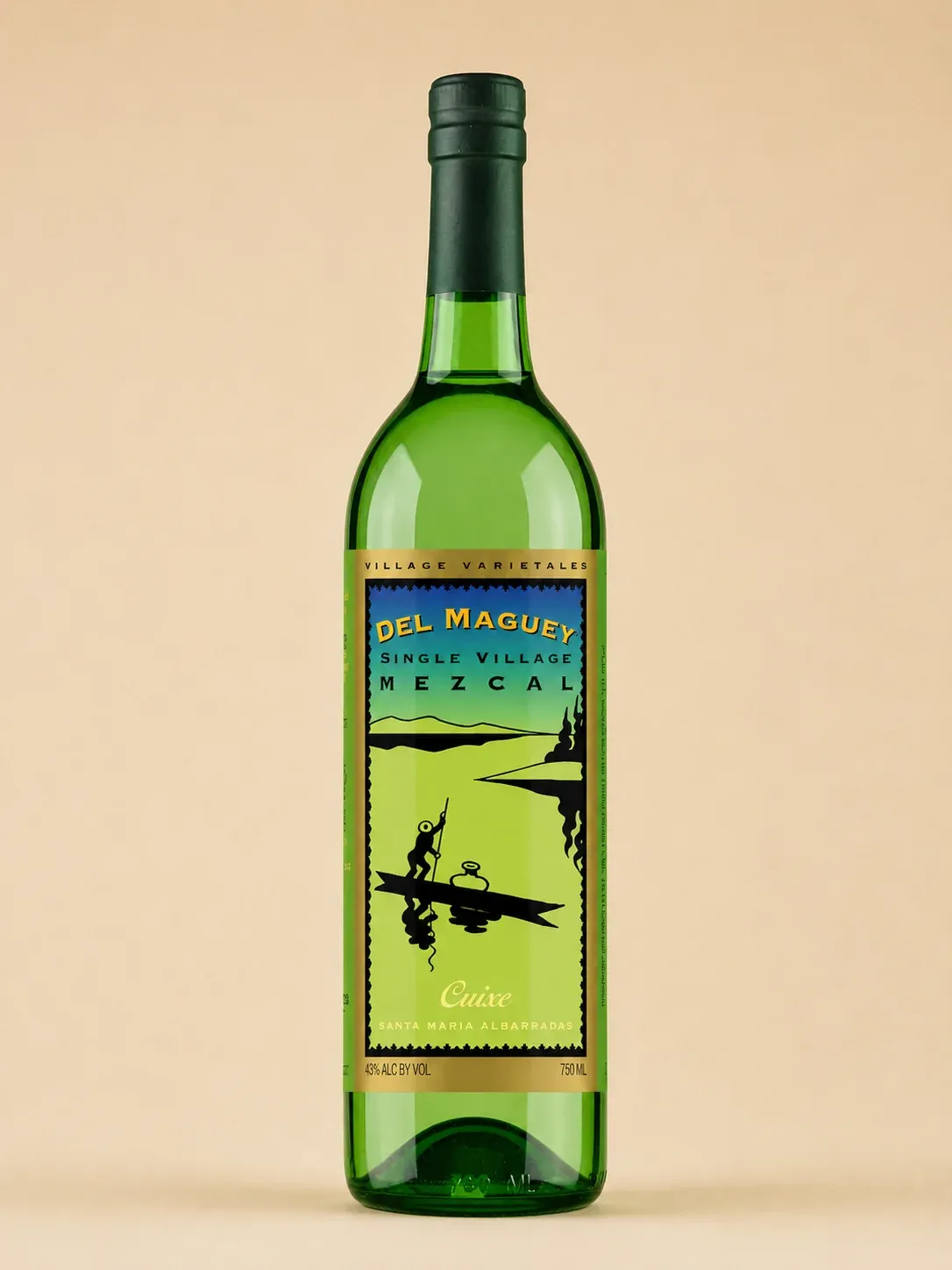
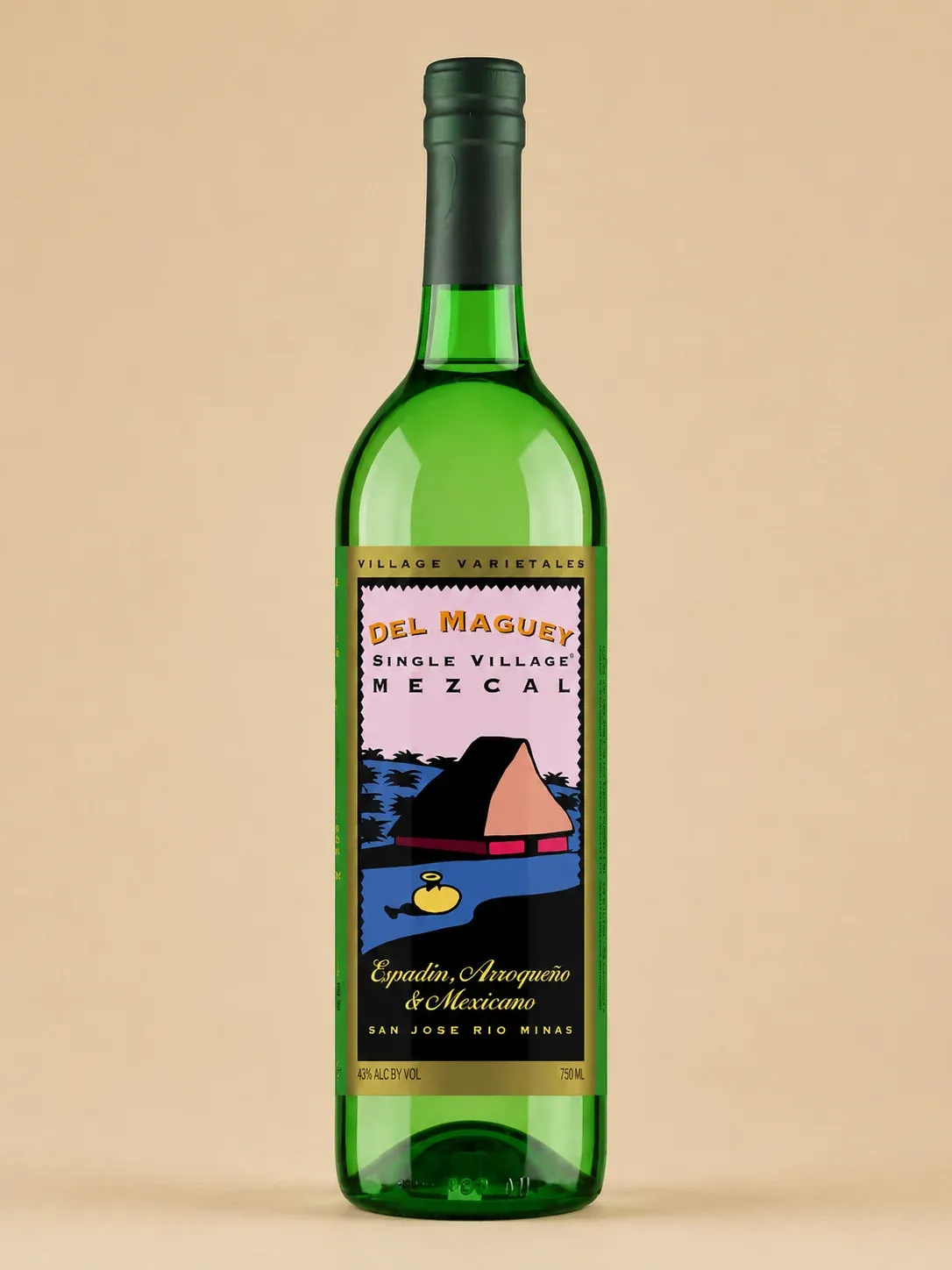
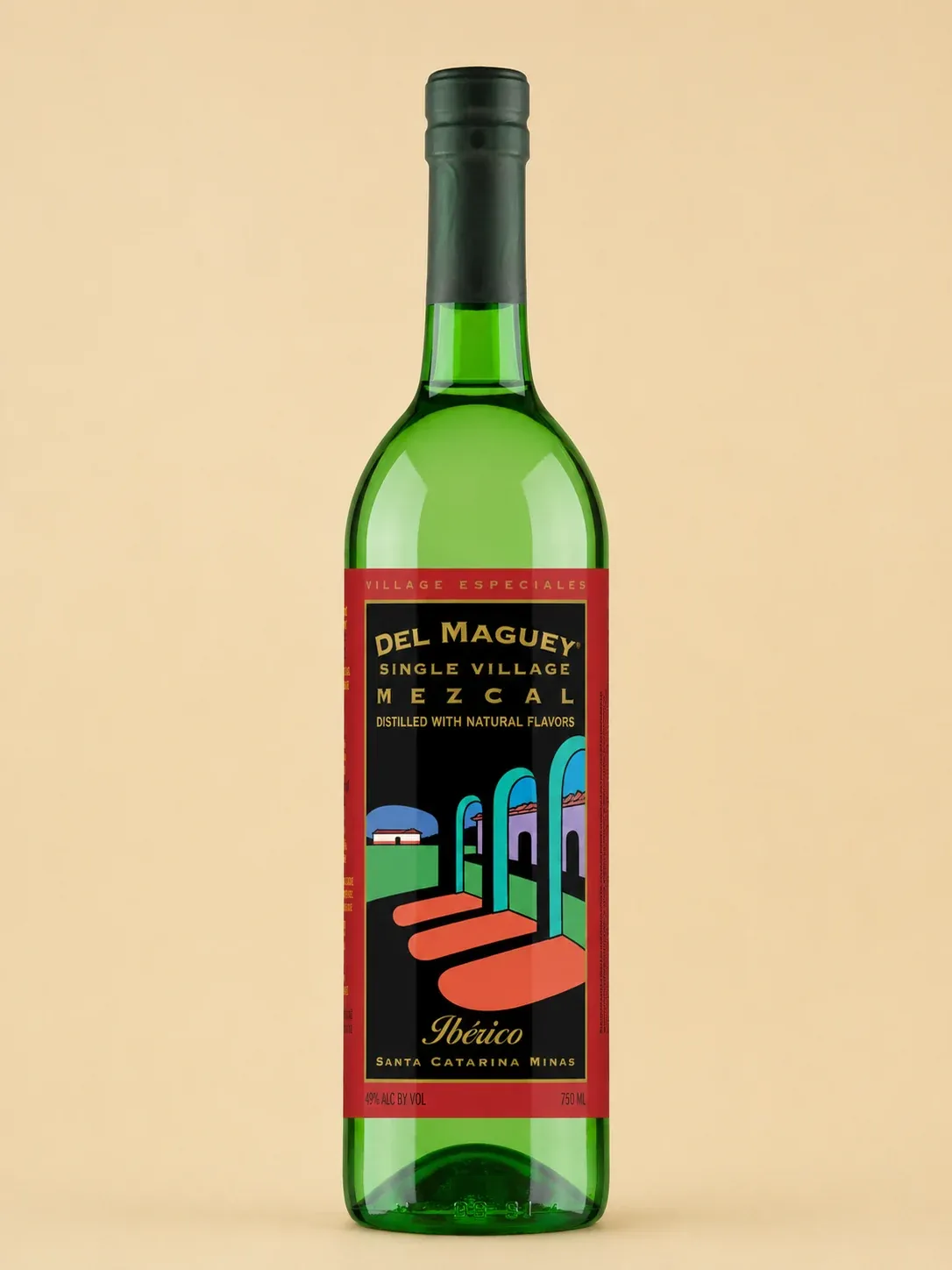
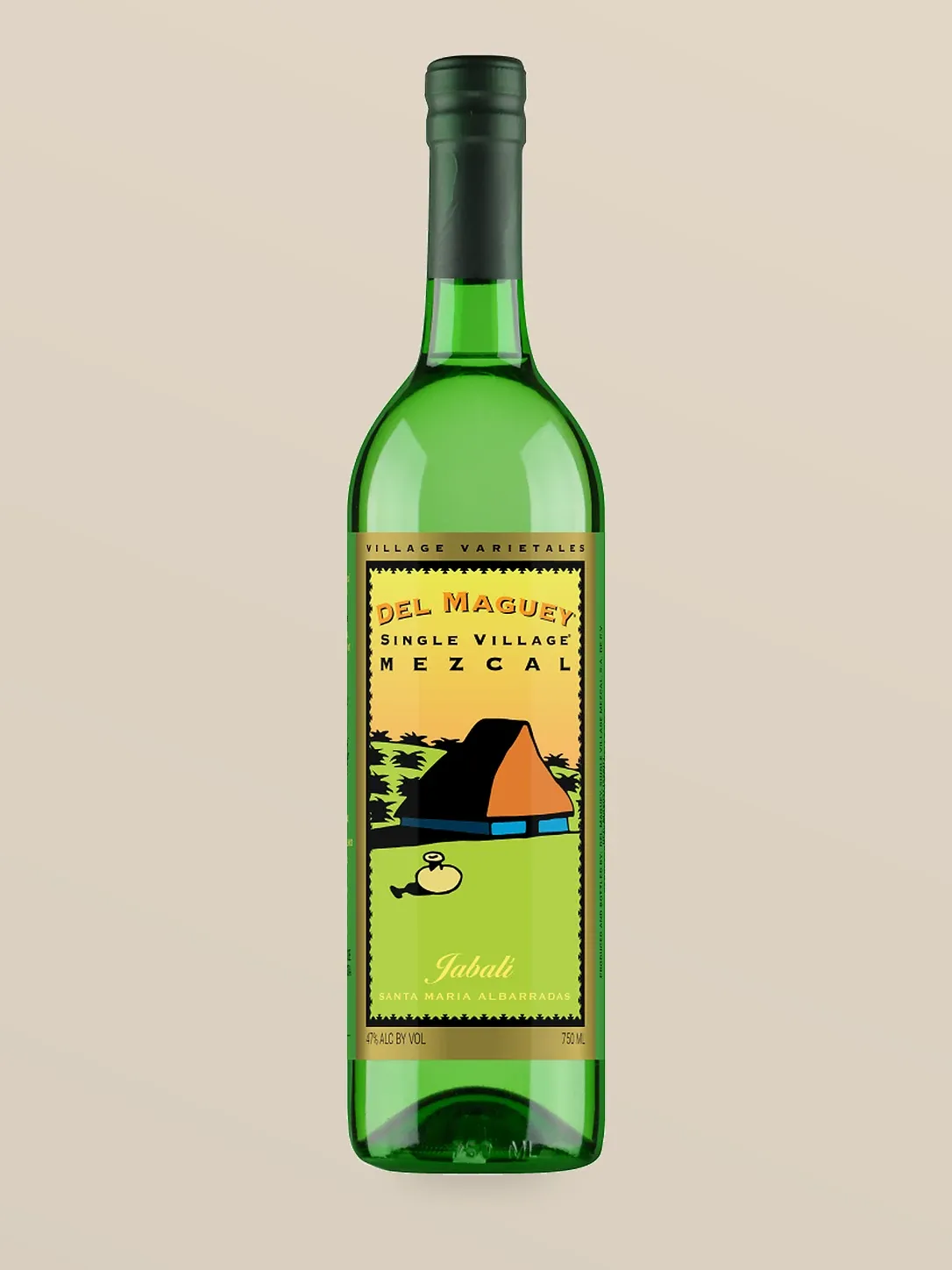
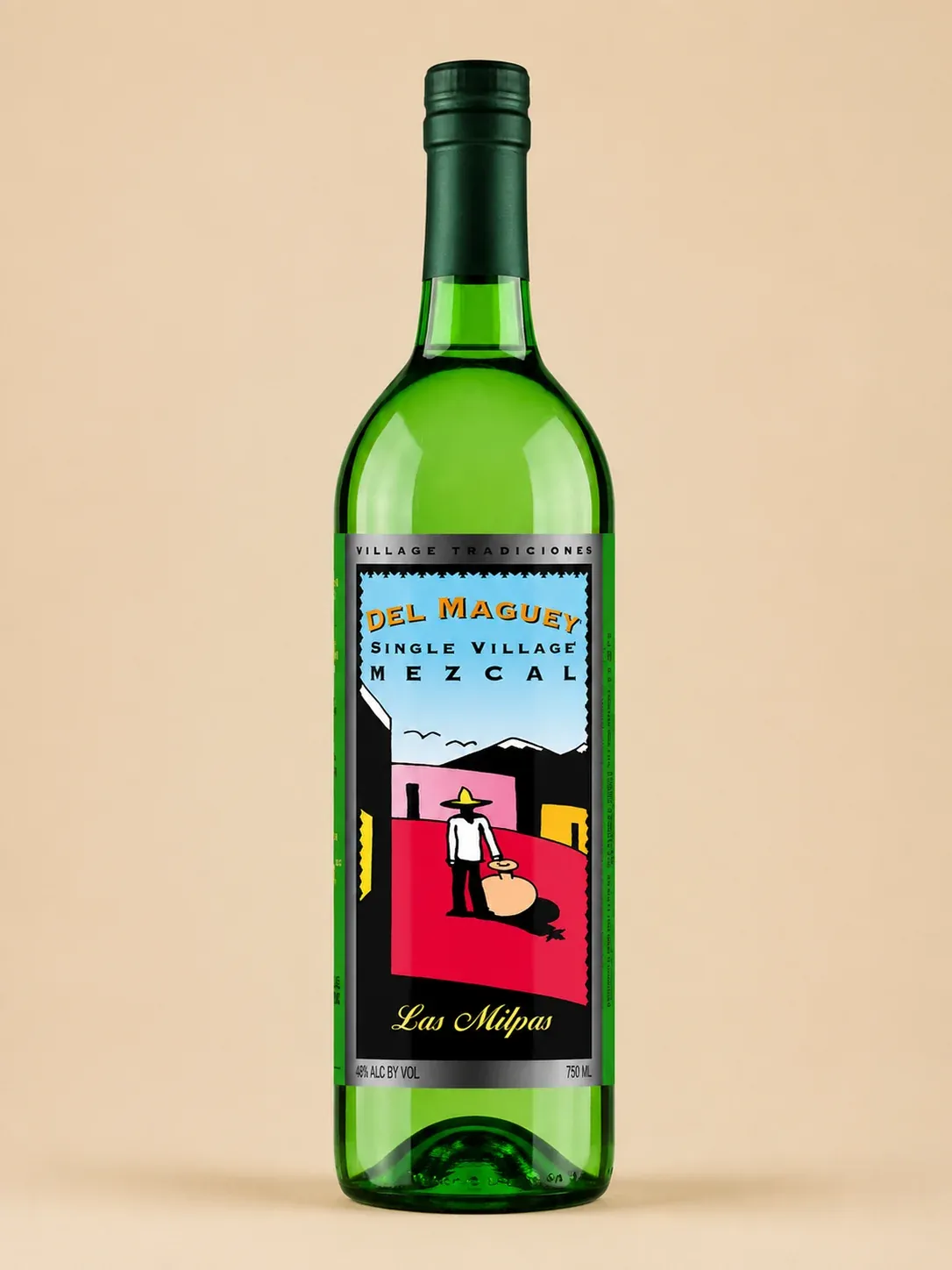
Showing 8 of 21
The Story behind Del Maguey
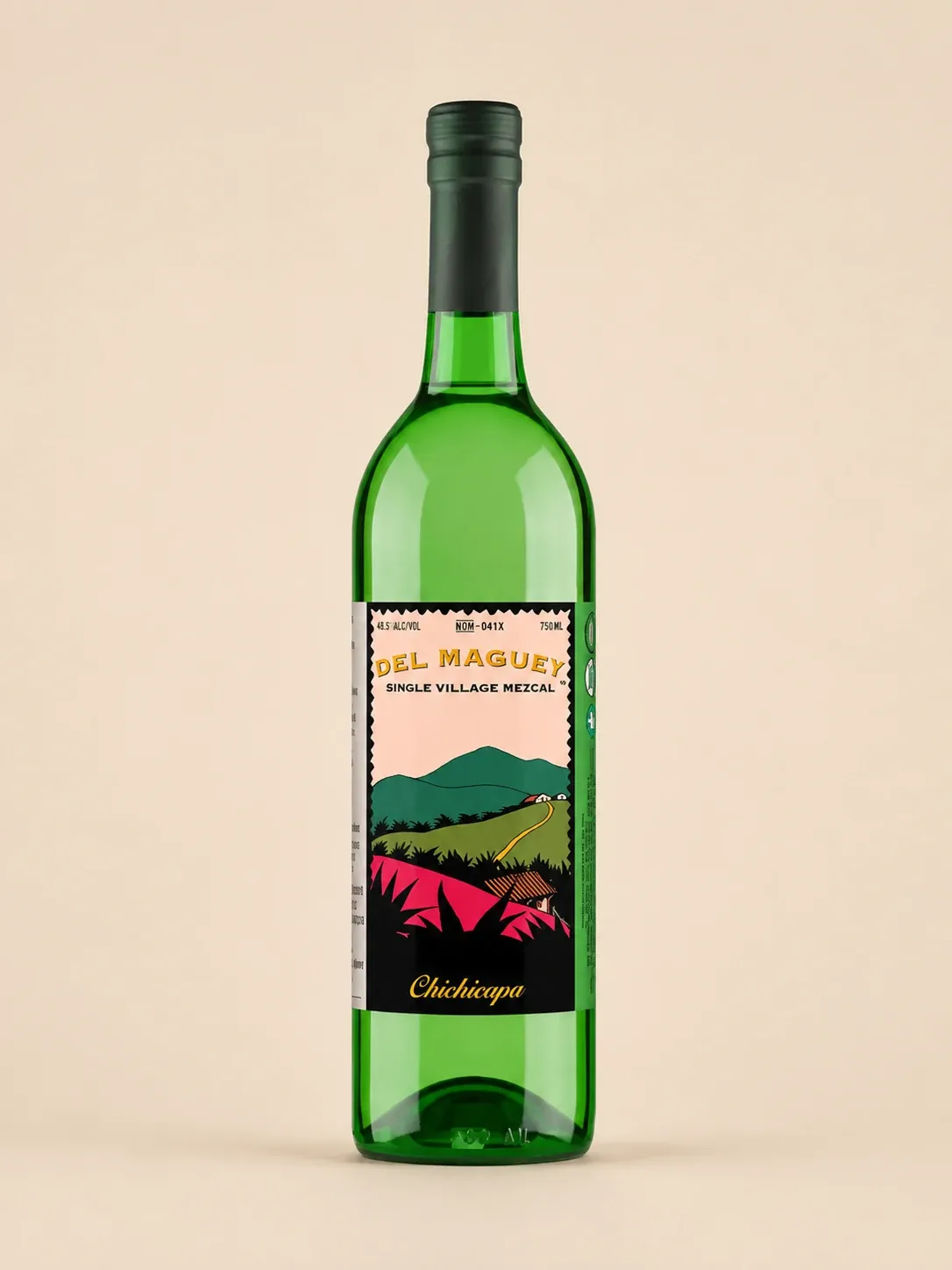
Ron Cooper launched Del Maguey in 1995 with co-founder Steve Olson, after years of traveling through Oaxaca. Cooper fell in love with mezcal and the drinking culture around it, and kept returning to the families who made it by hand. The first two bottles to reach the United States that year were Chichicapa and San Luis del Río.
The concept of Single Village is the center of the brand. Instead of blending mezcal from different places into one house style, each bottle is kept separate to honor its origin, with every expression named after the village where it is made.
That model changed how mezcal was presented outside Mexico. Instead of a single standard brand taste, Del Maguey showed mezcal through village, family, agave, and method.
The range is made with producer families in Oaxaca and Puebla, including Zapotec and Mixtec communities. Different villages bring different ovens, stills, agaves, and local conditions.
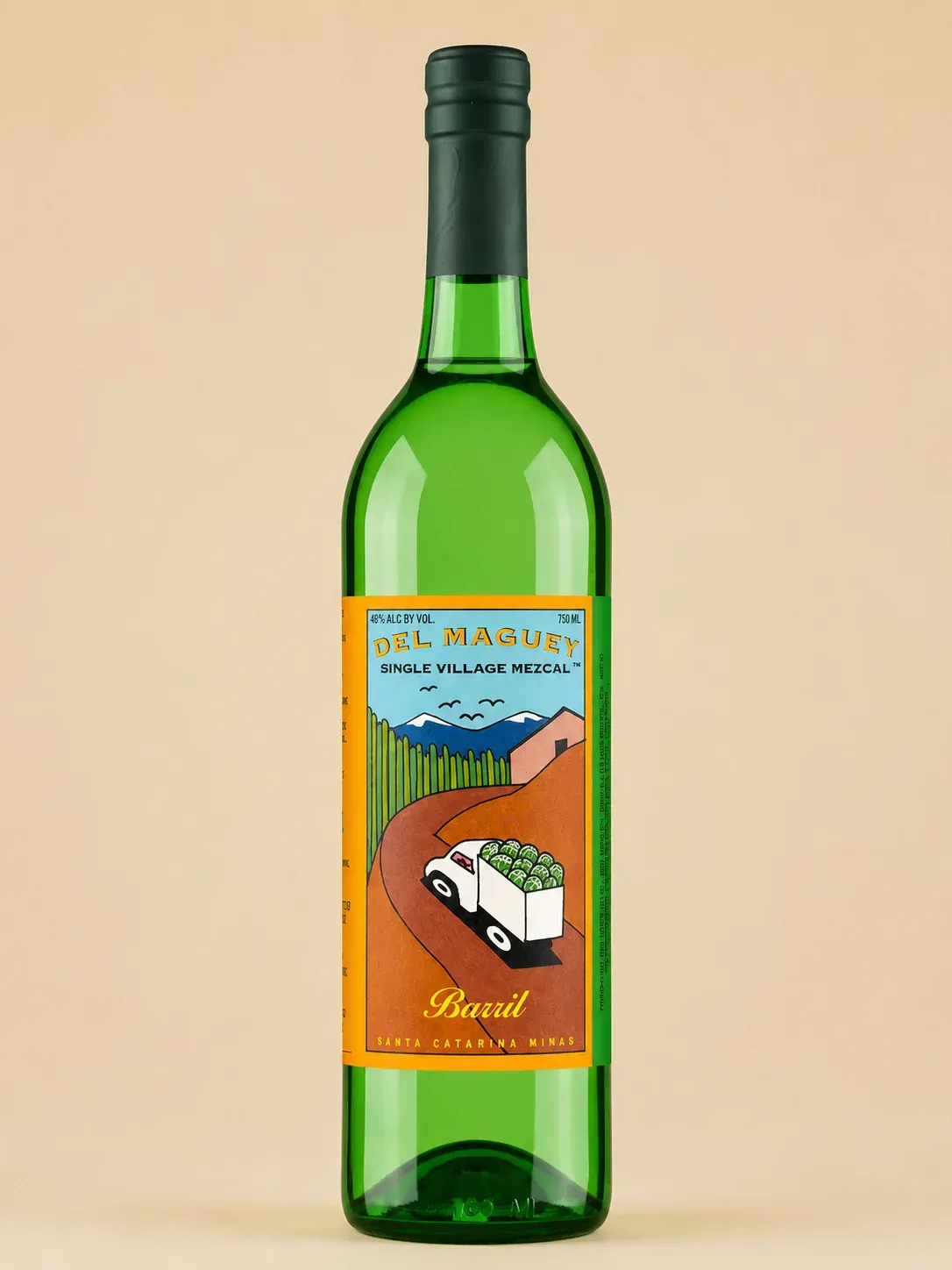
Ken Price, a close friend of Ron Cooper, created the label drawings. His artwork helped make the bottles recognizable without moving attention away from the village names.
Pernod Ricard took a majority stake in Del Maguey in 2017. The brand is now global, but its core idea remains simple. One bottle, one village, one producer expression.
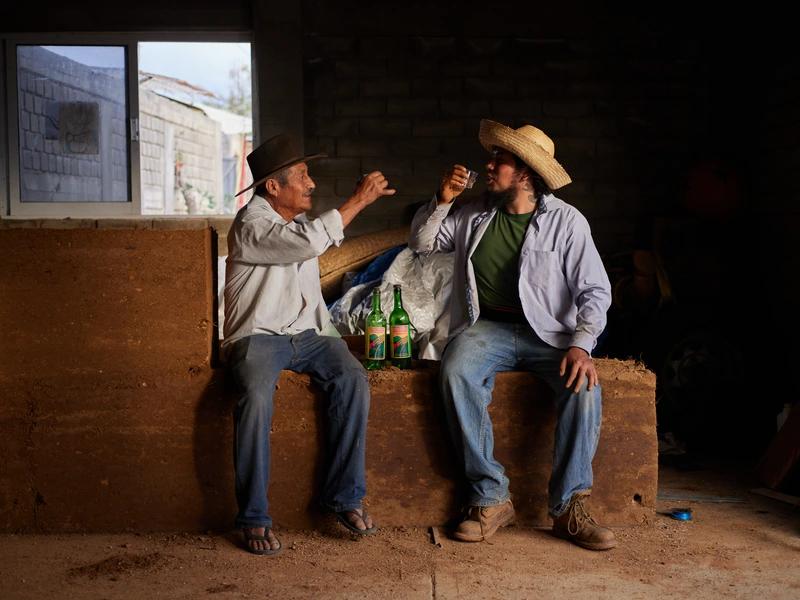
Del Maguey's identity
Stigibeu
Stigibeu is a Zapotec expression of gratitude to Mother Earth and to the ancestors. It is spoken as a toast before a shared moment over a copita, tying the drink back to the land and the generations that worked it.
The copita is a handmade terracotta cup from Oaxaca. Del Maguey serves its mezcal in a copita rather than a shot glass, treating it as part of the tradition rather than as tableware.
That thinking sits behind the phrase the brand repeats more than any other. Sip It. Don't Shoot It.
How Del Maguey Mezcal is made
Each expression is made in a single village by an independent producer family, so the details shift from bottle to bottle. Agave, oven, mill, fermentation and still all follow local practice. Only the last step is shared, when every bottle is filled by hand in Teotitlán del Valle.
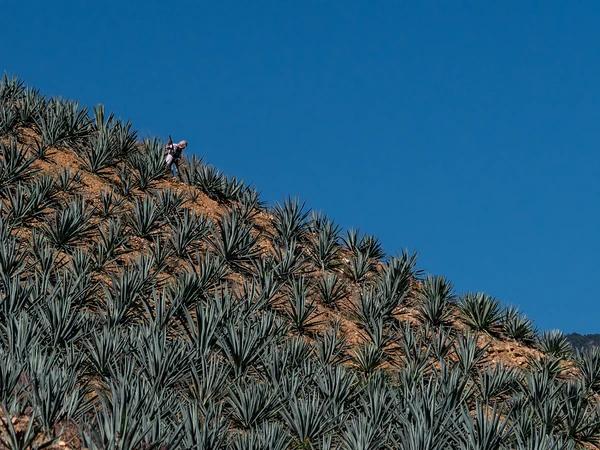
01 · Harvest
Cut by hand, village by village
Jimadores remove the pencas with a coa until only the piña remains. The agave ranges from cultivated Espadín to small lots of wild Tobalá, Tepextate and Arroqueño.
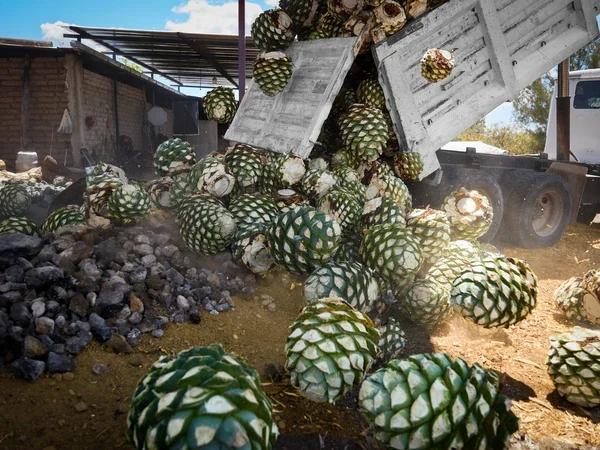
02 · Cooking
Around five days under earth
Piñas are roasted in conical earthen ovens over superheated stones, then covered with soil. Some producers hold them longer, and Rogelio Martínez Cruz roasts his Tobalá for thirty days.
03 · Crushing
Molino, motor or wooden bats
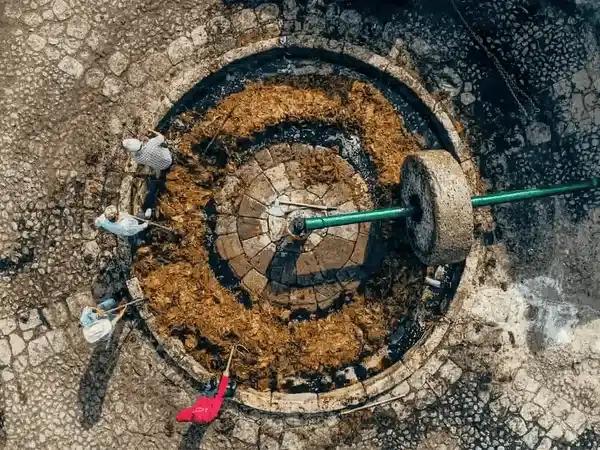
Most villages use a stone molino, still guided by a horse in Santa María Albarradas. San Luis del Río runs an electric mill, and Santa Catarina Minas mashes the agave by hand with wooden bats.
04 · Fermentation
3 to 21 days in open vats
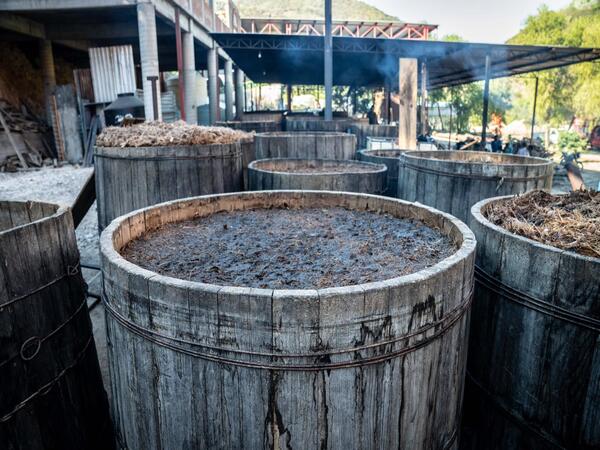
The crushed agave and its fibers go into open wooden tinas with water added. Airborne microbes from the village start the fermentation, and the timing shifts with the palenque and the season.
05 · Distillation
The still is the village fingerprint
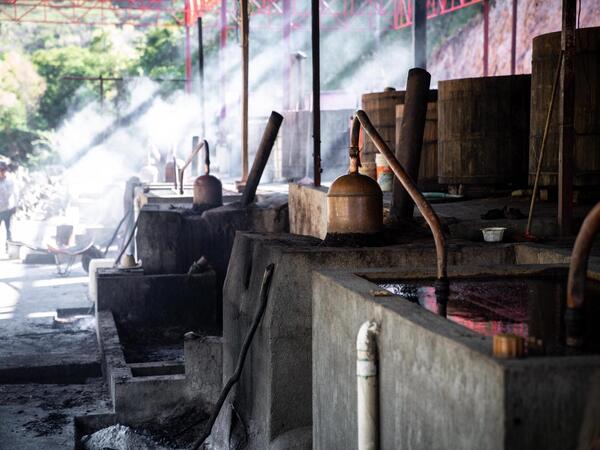
Most villages distill twice in small direct-fire copper stills. Santa Catarina Minas works in clay with bamboo tubing, and San Pablo Ameyaltepec distills only once in a copper reflux still, a batch that can run twenty hours.
06 · Bottling
Filled by hand in Teotitlán del Valle
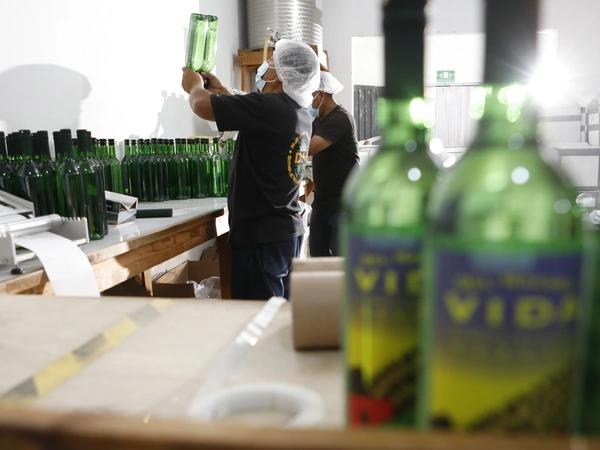
Every bottle is filled, sealed, labeled and packed by hand at Del Maguey's own bodega. The mezcal is released joven, so nothing is added after the still.
The Agave and Regions of Del Maguey
Del Maguey treats agave and place as one story. A bottle is not just Espadín, Tobalá or Tepextate. It is Espadín from San Luis del Río, Tobalá from Santa María Albarradas or Pizorra from San Pablo Ameyaltepec.
Espadín is the base for many of Del Maguey’s best-known bottles, including Vida, Chichicapa, San Luis del Río, Santo Domingo Albarradas, Las Milpas and Minero. Same agave, different villages. Oven, fermentation, and still decide where each one lands.
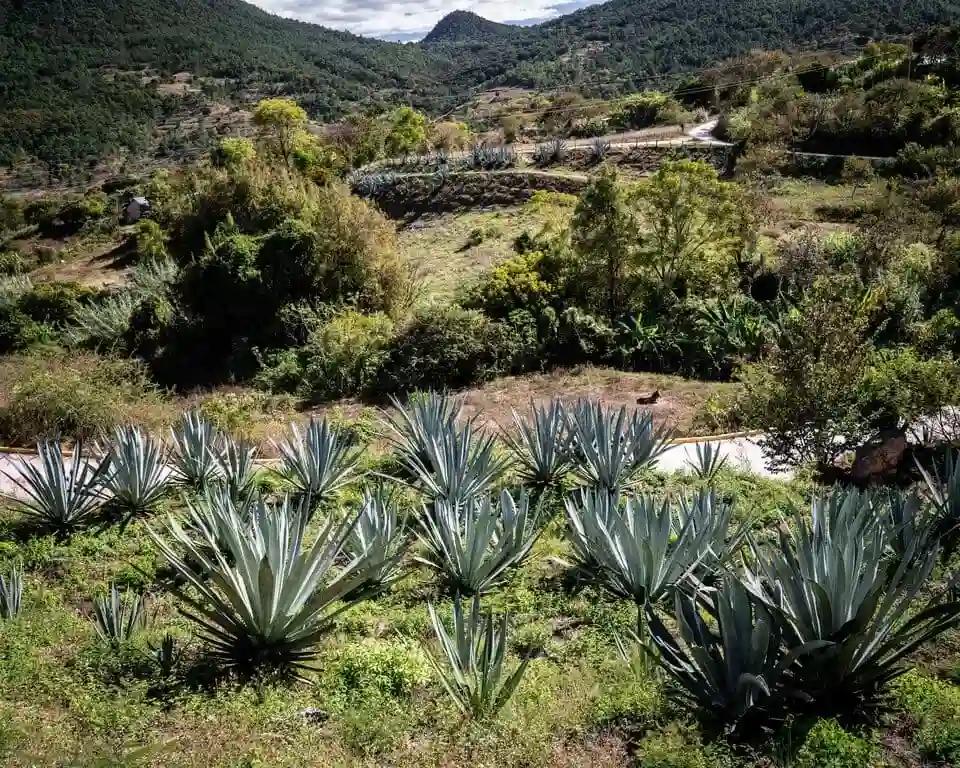
Cultivated agave: Espadín from different villages
Espadín, Agave angustifolia, is the agave behind Del Maguey’s most accessible bottles. It matures faster than wild varieties and can move from fruit and spice to herbs and earth depending on where it is grown and made.
San Luis del Río gives Espadín a voice different from Chichicapa's. One village can lean toward fruit, chili and citrus. Another can move toward sweet agave, mint and mineral tension. The plant is the same. The village is not.
Wild and rare agave: the local expressions
Here, Del Maguey leaves the Espadín base. Tobalá, Tepextate, and Arroqueño grow more slowly, yield less, and thrive in harder terrain, which is why these bottles feel distinct from the village Espadín releases.
Tobalá, Agave potatorum, is small and slow. It grows in high canyons in the shade of oak trees, and it takes roughly eight Tobalá piñas to match the yield of a single Espadín. Rogelio Martínez Cruz roasts his for thirty days. In the glass, it is usually read through sweetness, flowers, fruit, and soft smoke.
Tepextate, Agave marmorata, is one of the long waits. Del Maguey’s Wild Tepextate comes from Santa María Albarradas and uses agave that can take 18 to 25 years to mature, with notes of passion fruit, marzipan, cinnamon, honeysuckle, and a long, dry finish.
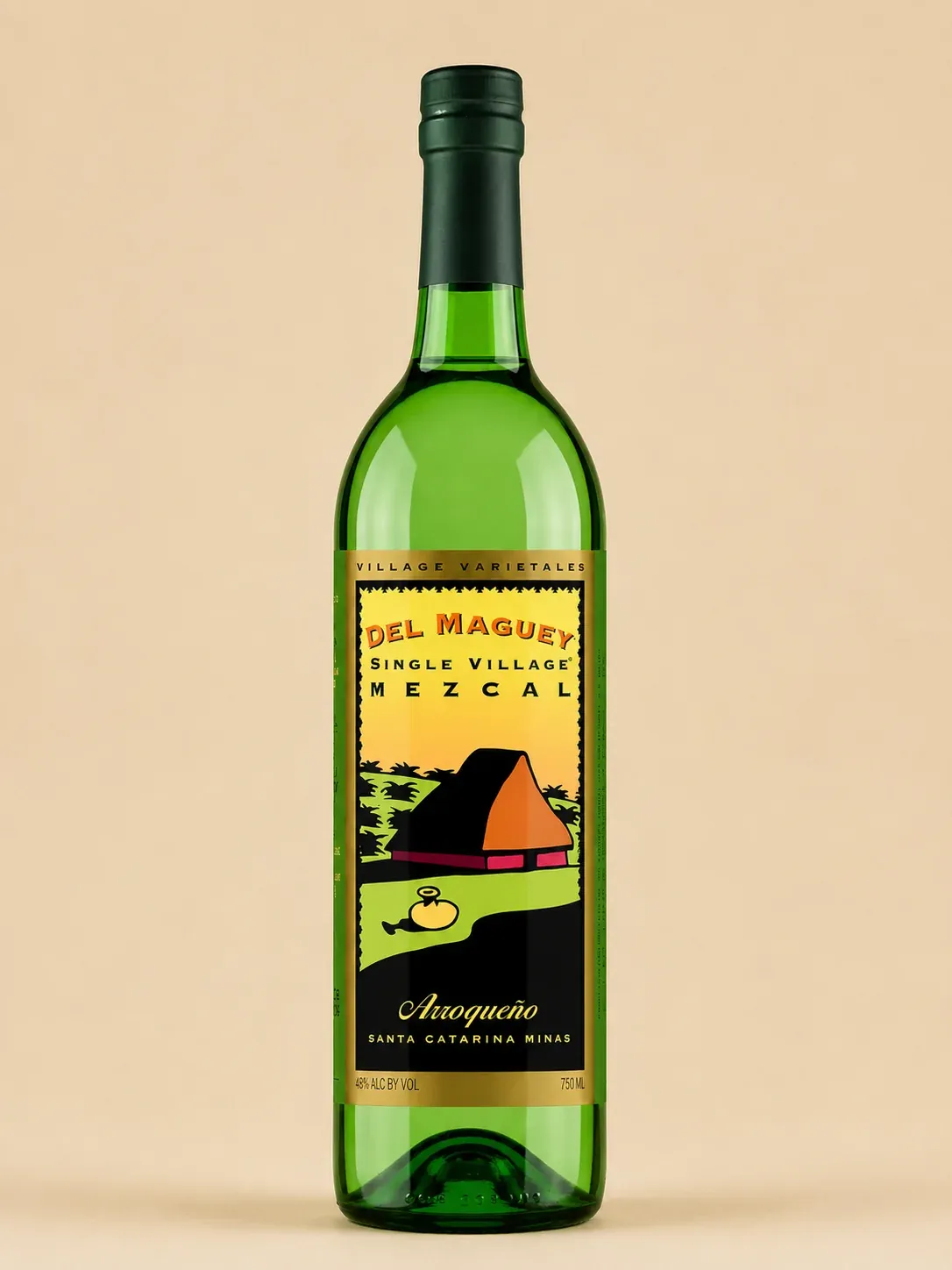
Arroqueño is the giant in the lineup. Del Maguey’s Arroqueño from Santa Catarina Minas is semi-wild and can take up to 18 years to mature. It is cooked in a conical pit and distilled in clay, giving the bottle a deeper ancestral register.
Puebla and Papalote
Del Maguey also works in Puebla. Vida Puebla comes from Axocopan, at the foot of the volcanic belt, where the soil pushes minerality into the Espadín. San Pablo Ameyaltepec goes another direction.
There, the González Tobón family works with Papalote and Pizorra, harvesting agaves between twelve and eighteen years old and distilling them just once in a small copper reflux still. A single batch can run twenty hours.
This is where Del Maguey’s Single Village idea becomes clear. The agave name matters, but the village changes everything around it: the land, the water, the yeasts, the oven, the still and the family making the mezcal.
Sustainability and social responsibility
Del Maguey’s sustainability work is tied to the same villages as its mezcal. The focus is agave, production waste and practical support in the communities where the bottles are made.
Agave from seed
Del Maguey supports nurseries that grow wild agave from seed, including Tobalá, Tepeztate, Cuishe and Espadín. Growing from seed better protects genetic diversity than relying solely on clones or wild extraction.
Wild harvest is also controlled locally. In villages such as Santo Domingo Albarradas and Santa María Albarradas, harvest rules and annual allotments help protect the agave population before the plants are cut.
Using mezcal waste
Mezcal production creates bagazo and vinazas, the leftover fiber and liquid from cooked and fermented agave. In Santa Catarina Minas, Del Maguey and COAA have used those materials in adobe and rammed-earth workshops.
The result is not just waste reduction. The same production leftovers can become building material for local projects, including kitchens and patios in the villages.
Support in the villages
Del Maguey has also supported health care brigades, school internet access, computer donations, potable water access and beekeeping projects in its producer communities.
The wider mezcal industry is now treating social responsibility as a shared issue. The Spirits Business has covered Del Maguey’s role in a Sustainable Mezcal Alliance with other brands and Comercam, focused on category protection, producer alignment and sustainability standards.