
The Mezcal That Ended Their Search
Dos Hombres
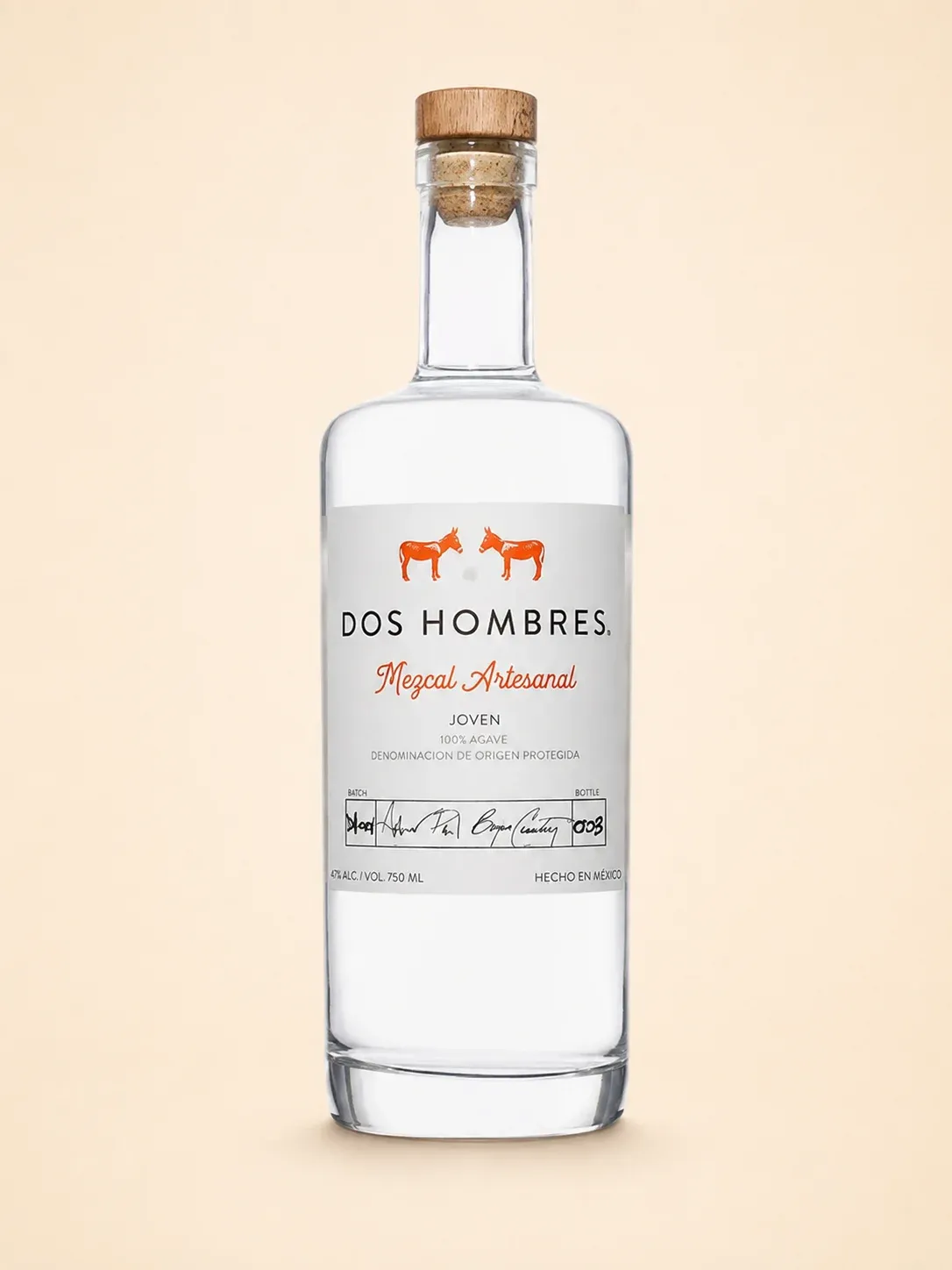
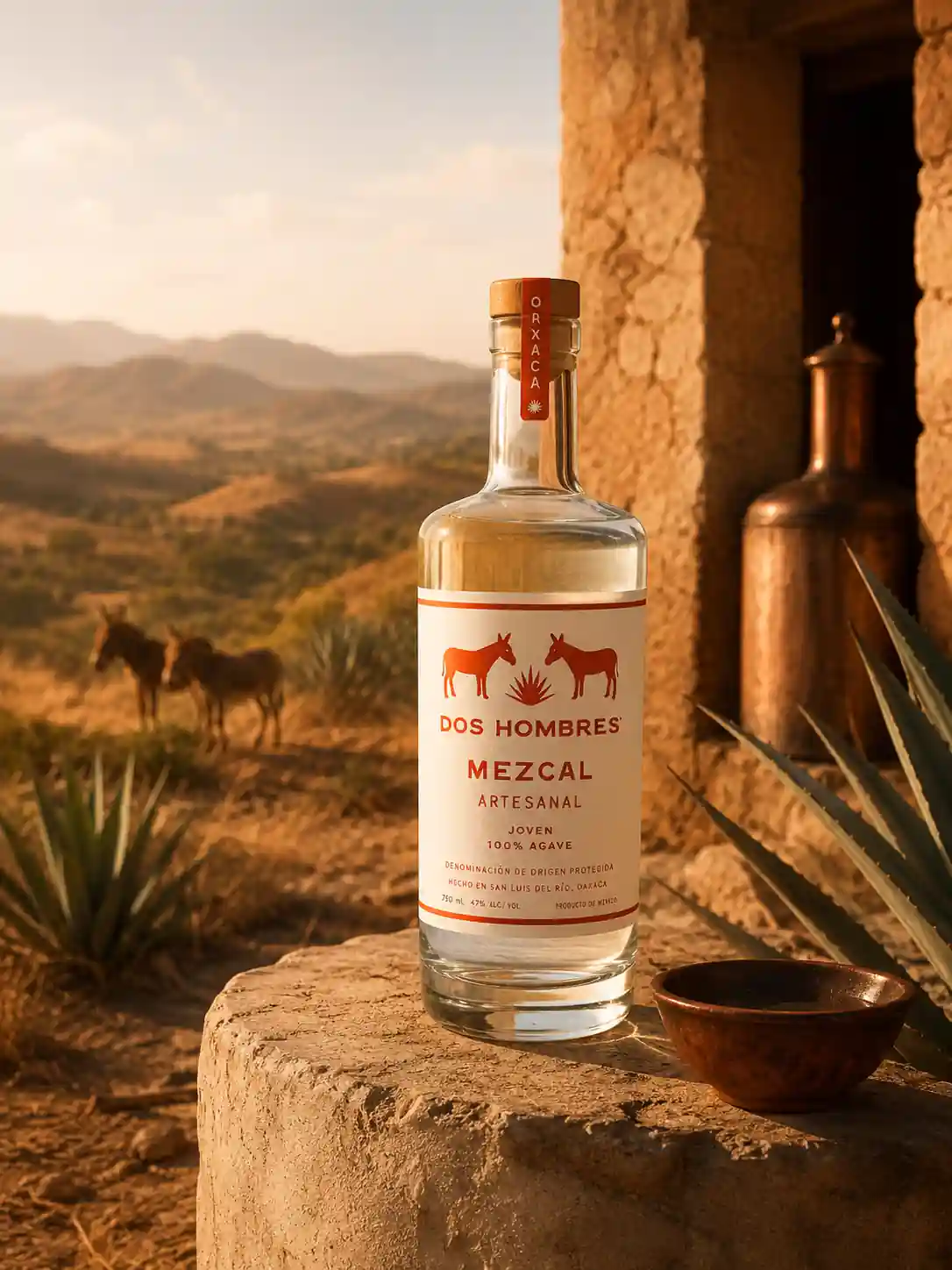
Founded by Aaron Paul and Bryan Cranston, Dos Hombres makes mezcal in San Luis del Río with third-generation maestro Gregorio Velasco.
25+ Year Wild Tobalá4-Day Pit RoastStone Tahona
THE BRAND
About Dos Hombres
Region
Town
San Luis del Río
Founder
Aaron Paul & Bryan Cranston
Mezcalero
Founded
2019
Website
EXPLORE THE COLLECTION
Bottle Lineup
The Story Behind Dos Hombres Mezcal
The idea began in New York in 2016, when Aaron Paul and Bryan Cranston met for dinner and talked about working together again after Breaking Bad.
They were not looking to jump straight into another film or television project. Paul brought up mezcal, a spirit he had loved for years and had already introduced to Cranston.
The pair agreed on one condition. They would only build a brand if they found a mezcal they both genuinely wanted to drink.
Searching Oaxaca
Their search took them through Oaxaca, where they visited producers and tasted mezcal along the way. Paul has said they tried more than 90 before finding the one that stopped them.
By the final day of one trip, they still had not found it.
They arrived in San Luis del Río and tasted mezcal from several local producers. As they were preparing to leave, the son of mezcalero Gregorio Velasco approached them.
Across the river
He invited them to visit his family's palenque.
Cranston and Paul followed him across the river and walked to the Velasco family's production site, where they tasted Gregorio's mezcal.
Both have described an immediate reaction. They took a sip, looked at each other, and knew they had finally found what they had been searching for.
Gregorio had a decision to make too
Finding the mezcal did not automatically create the partnership.
According to Paul, Gregorio wanted to understand who they were before agreeing to work with them. He invited them to spend time with his family and considered the relationship before saying yes.
That distinction became important. Dos Hombres was not built around buying an existing liquid and attaching two famous names to it. Gregorio remained central to the mezcal and the business behind it.
Two men on a quest
Dos Hombres launched in 2019. The name means “Two Men,” and Cranston and Paul originally described the idea as simply two guys on a quest.
Around six months after the launch, Paul says he and Cranston called Gregorio on his birthday and gave him an ownership stake in the company.
What began as two former co-stars looking for a new project had become a partnership with the mezcalero whose spirit ended their search in San Luis del Río.
Brand Identity
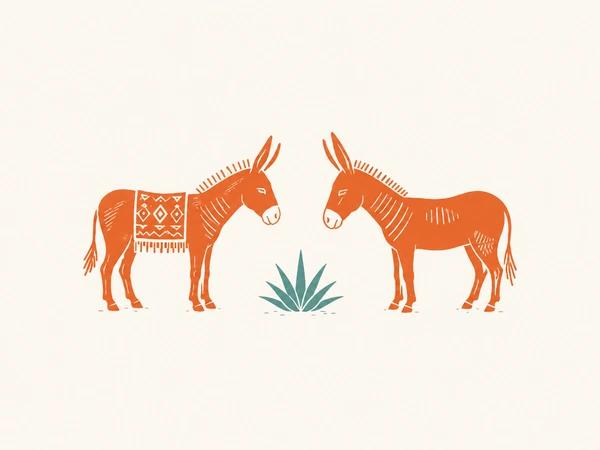
The Two Donkeys
Two donkeys facing each other with an agave between them have been part of the Dos Hombres identity since the brand launched in 2019.
The motif became one of its most recognizable visual elements, sitting above the Dos Hombres name across the brand’s packaging and other materials.
When Dos Hombres refreshed its identity in 2026, the labels, typography and color palette changed, but the two donkeys remained.
How Dos Hombres Mezcal is made
Dos Hombres produces its Espadín as Mezcal Artesanal in San Luis del Río. The process uses an earthen pit oven, stone tahona, wooden fermentation vats, and two distillations in copper stills.
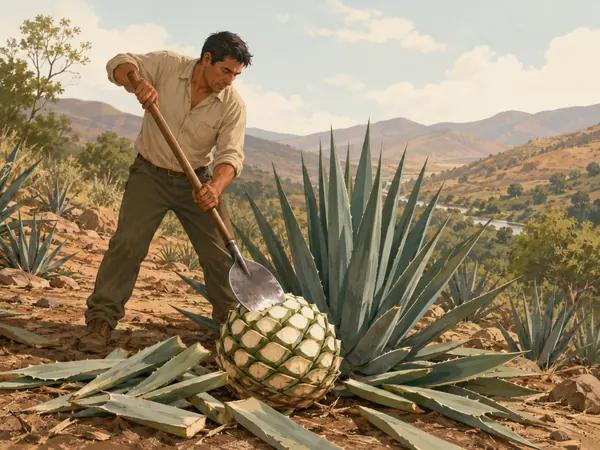
01 · HARVEST
Harvesting the Espadín
Dos Hombres harvests its Espadín after around six to eight years of growth. The pencas are removed to expose the piña, which is then prepared for cooking.
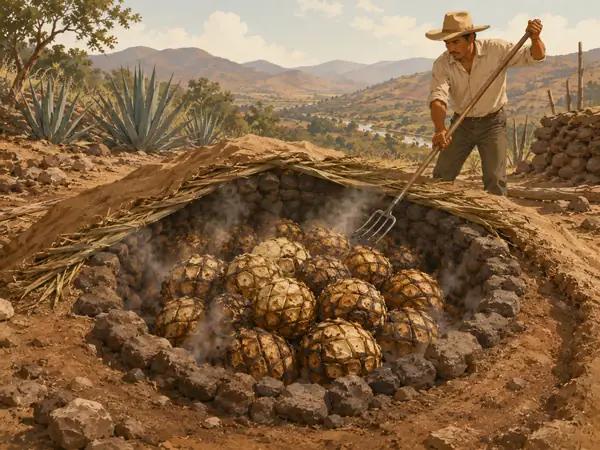
02 · COOKING
Four Days Underground
The piñas are placed in a conical earthen pit lined with hot stones. They are covered and left to cook underground for approximately four days.
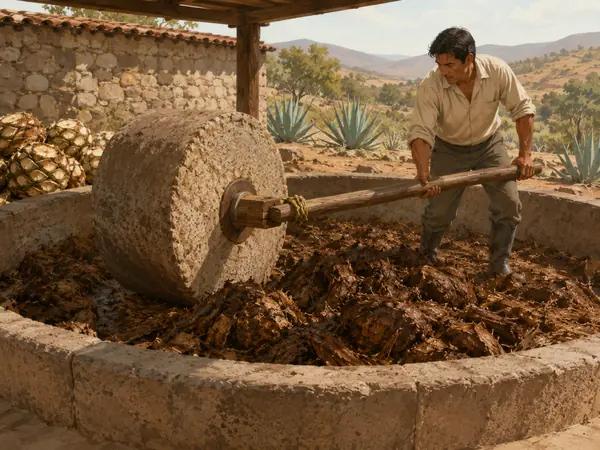
03 · MILLING
Crushed by Stone Tahona
Once cooked, the softened agave is crushed with a large stone tahona. The process breaks the piñas into fibrous material ready for fermentation.
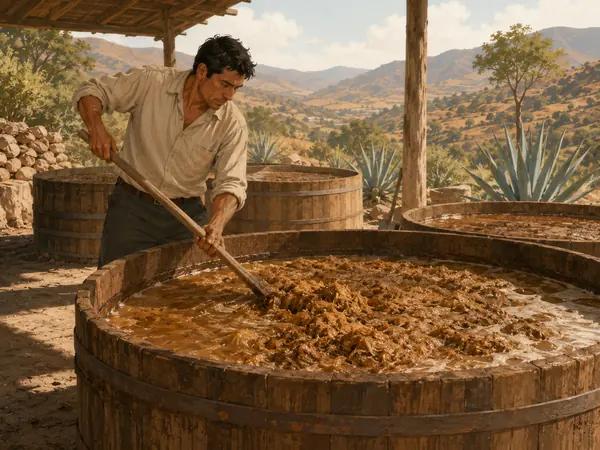
04 · FERMENTATION
Fermented in Wooden Vats
The crushed agave is transferred to wooden vats with water. Dos Hombres allows the mixture to ferment for approximately seven to ten days.
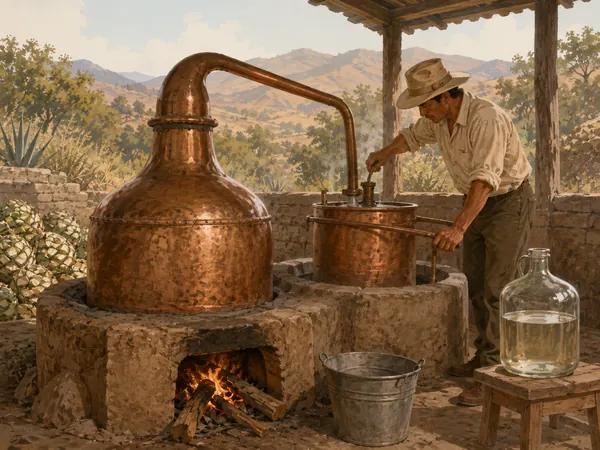
05 · FIRST DISTILLATION
First Copper Distillation
After fermentation, the agave mixture enters the copper stills for its first distillation, beginning the process of concentrating the fermented liquid.
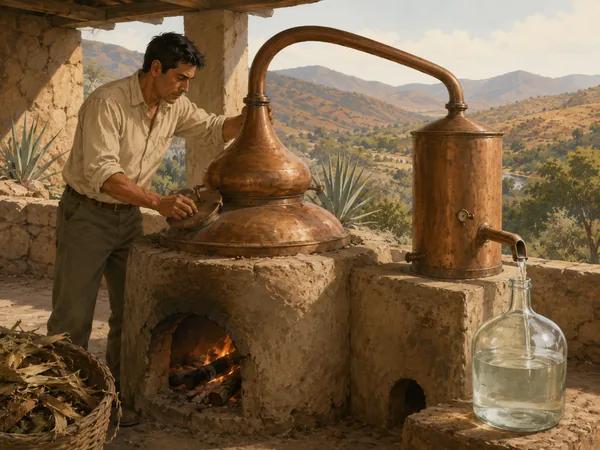
06 · SECOND DISTILLATION
Distilled a Second Time
The spirit returns to the copper stills for a second distillation. This final run produces the mezcal that will be prepared for bottling.
Gregorio Velasco
Gregorio Velasco is the third generation of his family to make mezcal in San Luis del Río. He grew up around the family palenque and began helping there at eight years old.
Three Generations of Mezcal
The family tradition began with Gregorio’s grandfather and continued through his father, from whom Gregorio learned every stage of production.
One of his earliest memories is watching freshly cut green agave change after several days in the earth oven, emerging cooked, soft, and sweet.
Precision Over Routine
Gregorio’s approach relies heavily on timing and close attention rather than simply following a fixed routine.
That includes judging when an agave is ready to harvest and managing the temperature during distillation in the copper stills.
More Than a Producer
Gregorio oversees the mezcal production for Dos Hombres in San Luis del Río.
Around six months after the brand launched, Aaron Paul and Bryan Cranston gave him an ownership stake in Dos Hombres, making him a partner in the company and its maestro mezcalero.
The Agave
Dos Hombres works with two very different agaves in San Luis del Río. Espadín forms the core of the range, while Tobalá is reserved for a much smaller limited-edition release.
Espadín
The Espadín used for Dos Hombres is harvested at around six to eight years of age from the hillsides surrounding San Luis del Río.
After harvest, the plants move through the same process used for the flagship mezcal: pit roasting, stone milling, wooden-vat fermentation and copper distillation.
Bagazo from production is returned to the fields, while cultivated plots are left intact for three to four years before agave is planted there again.
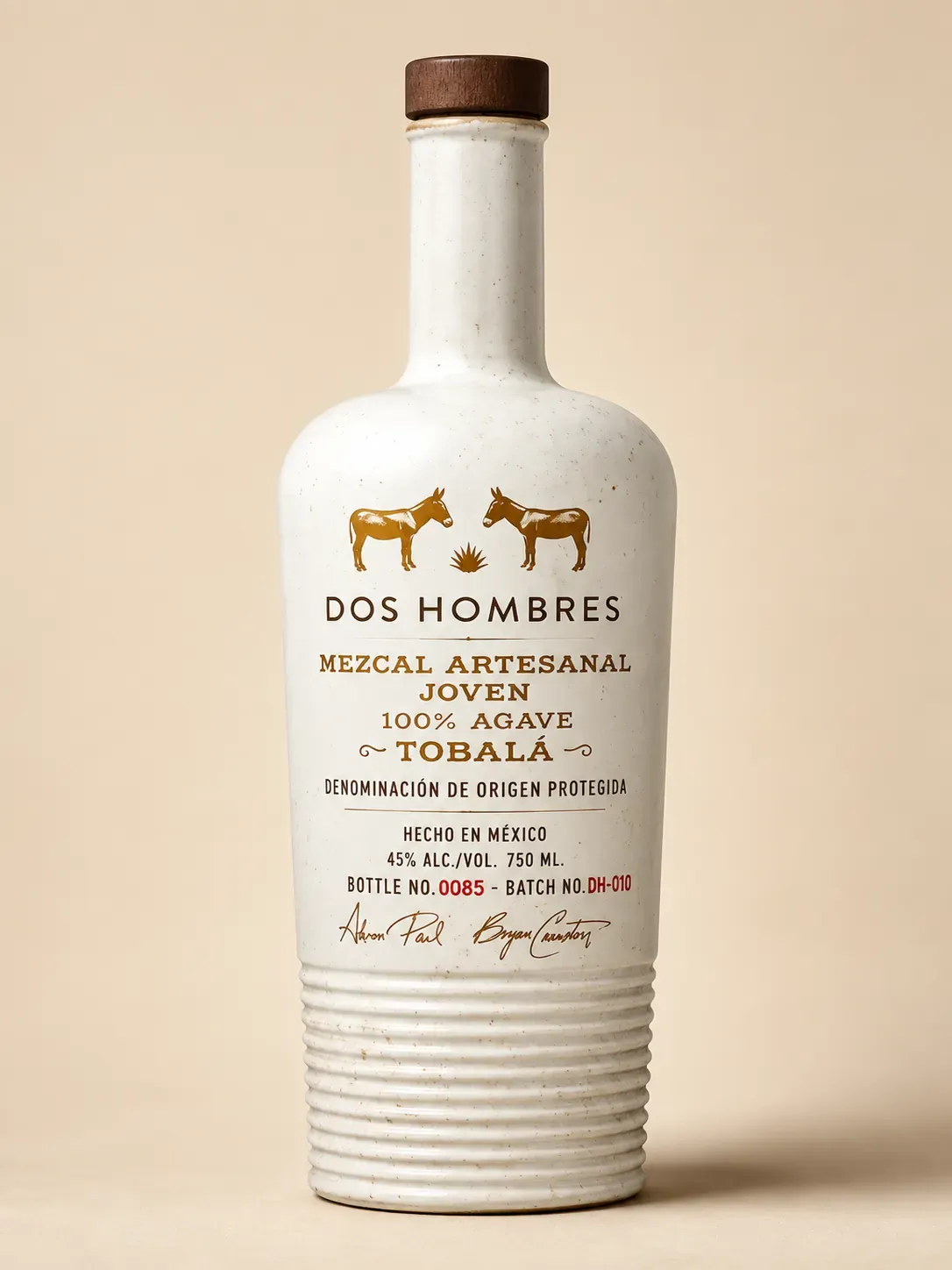
Tobalá
Tobalá works on a very different timeline. The wild agave matures for at least 25 years before it is ready to harvest.
Gregorio Velasco connects part of its character to the copal trees growing around the agave. The finished mezcal shows notes of plum, local lilies and roasted chocolate, followed by wood and restrained smoke.
For every Tobalá harvested, two more are planted around San Luis del Río, helping maintain the agave population for future generations of mezcaleros.
Sustainability in San Luis del Río
Dos Hombres has invested in projects that address both the environmental demands of mezcal production and everyday needs in San Luis del Río.
Water Comes First
In 2021, the brand funded a new water filtration plant for the village, providing clean drinking water for local families and people from surrounding communities.
At the palenque, a separate cooling system was installed to treat and reuse water used to cool the copper stills during distillation, reducing the amount of fresh water required.
Protecting Wild Tobalá
Tobalá requires at least 25 years to reach maturity in the wild. For every Tobalá harvested for Dos Hombres, two new plants are planted around San Luis del Río.
The aim is practical and long-term: keeping enough agave in the landscape for future generations of mezcaleros to continue working with the species.
Investment Beyond Mezcal
Dos Hombres directs 100% of the proceeds from its merchandise program back into community projects in San Luis del Río.
The work has included helping pave the dirt road into the mountain village and bringing in a nurse to teach basic medical care while plans for improved local medical facilities are developed.