
Three Generations in San Pedro Quiatoni
El Bailador
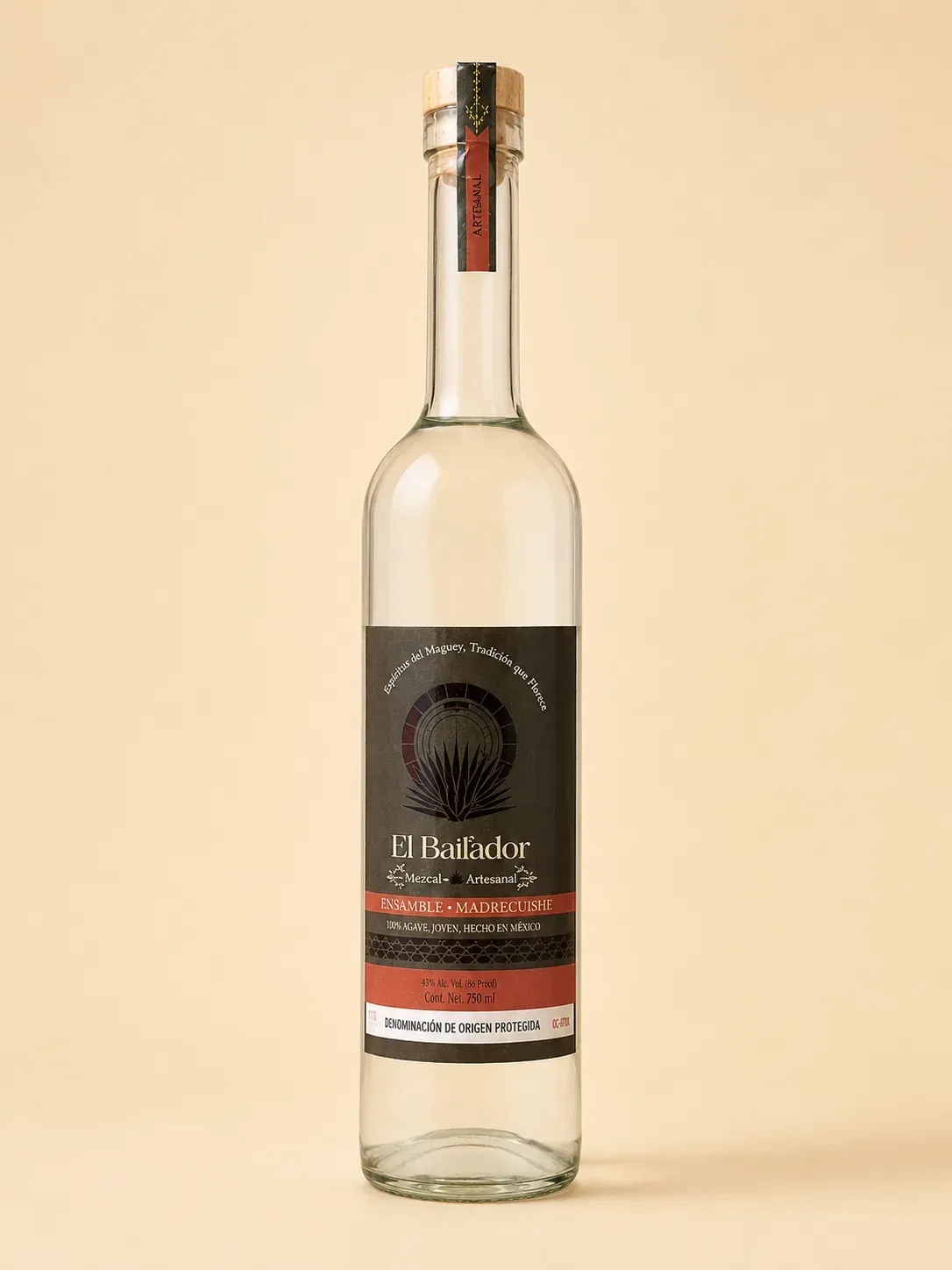
Mezcal El Bailador is made in San Pedro Quiatoni by Salvador Cruz Pérez and Sergio Cruz Martínez, continuing a family mezcal tradition that began with Ángel Cruz López.
Three GenerationsHorse-Drawn Tahona48% ABV
THE BRAND
About El Bailador
EXPLORE THE COLLECTION
Bottle Lineup
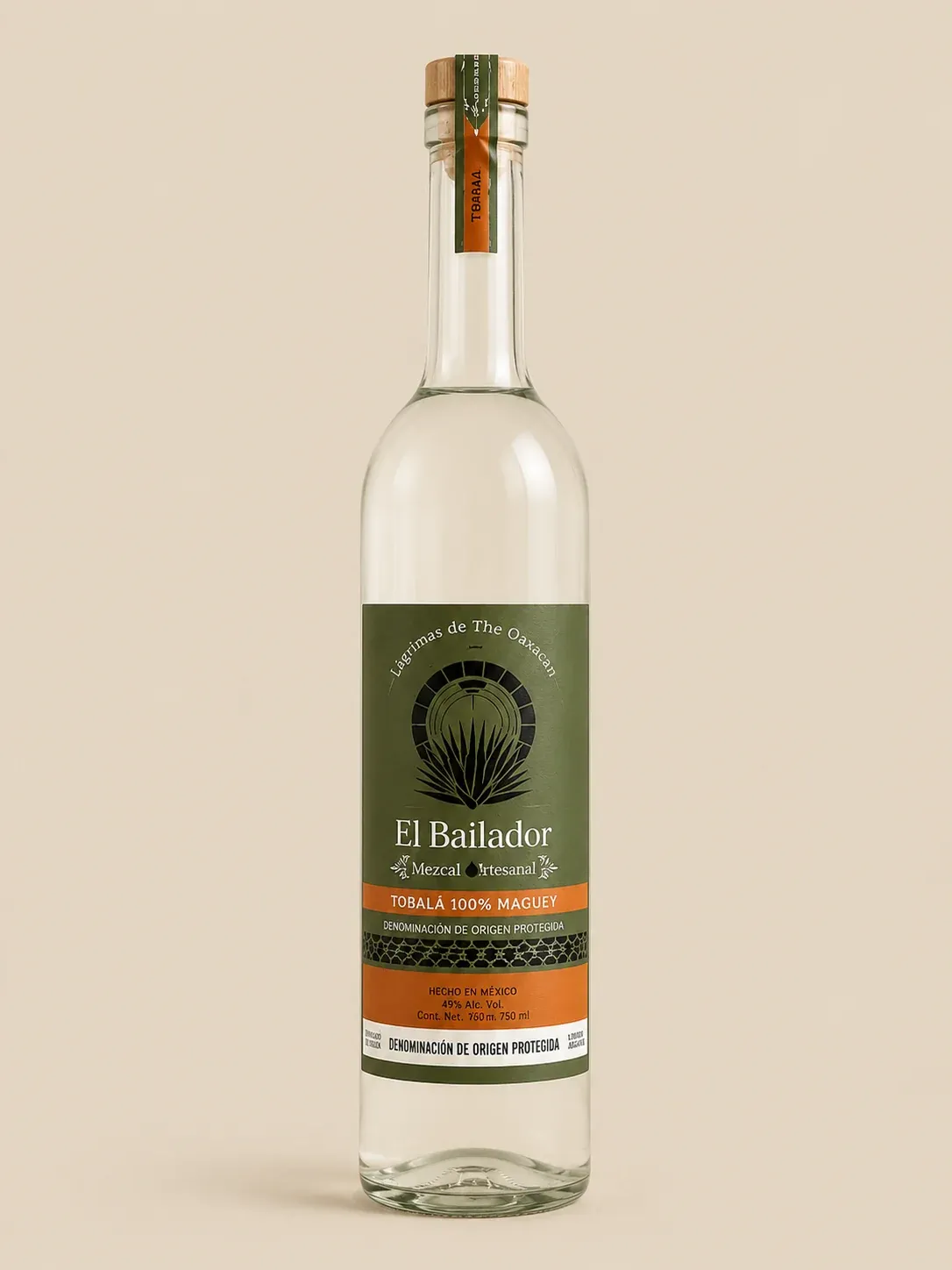
The Story Behind Mezcal El Bailador
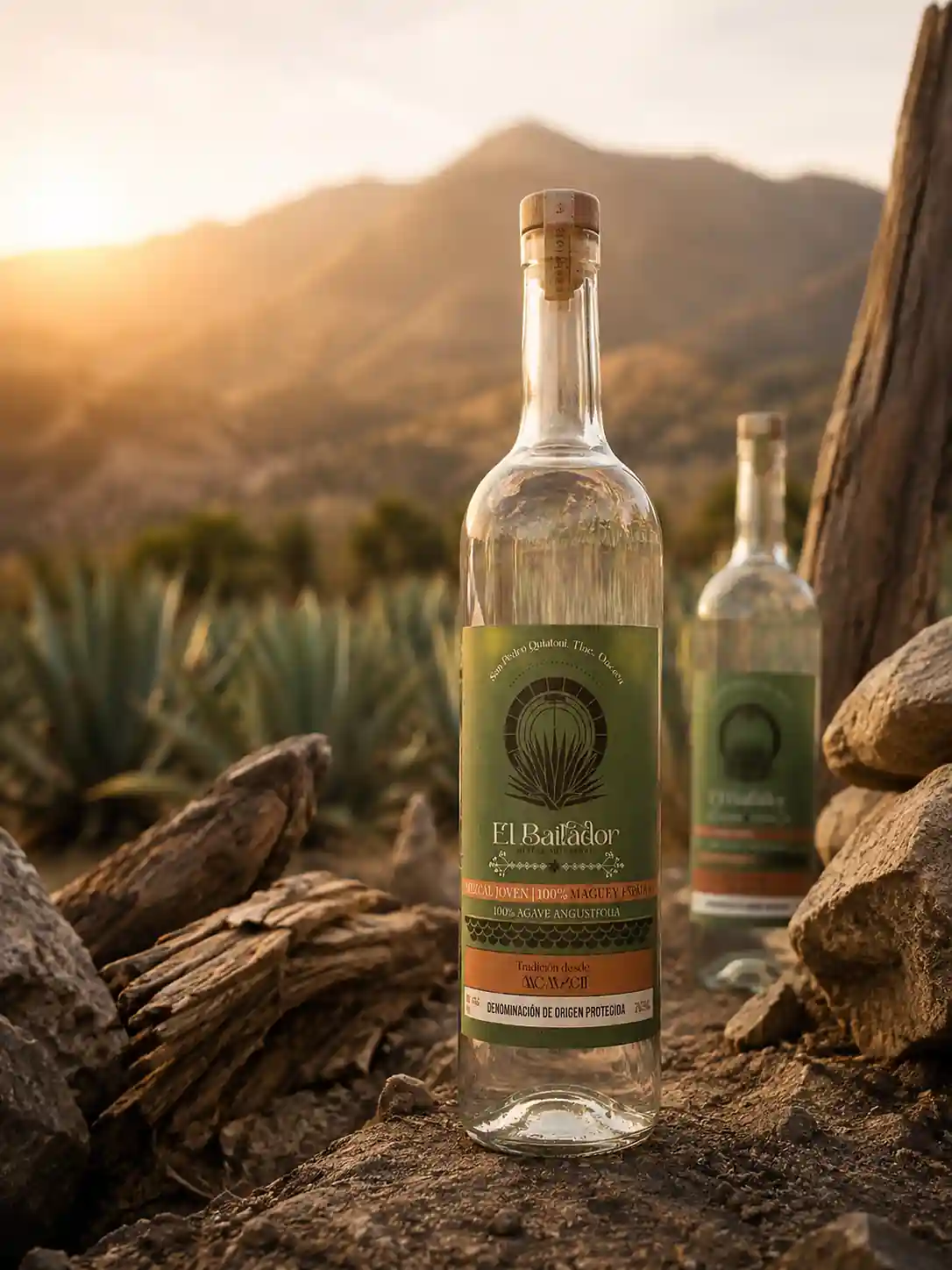
Mezcal El Bailador comes from San Pedro Quiatoni, Oaxaca, and follows three generations of the Cruz family working with agave and mezcal.
Ángel Cruz López
The family story begins with Ángel Cruz López.
He started making mezcal at just 14 years old.
Over the years, Ángel learned how agave maturity, fire, fermentation and distillation shaped the spirit coming from the family palenque.
Salvador Cruz Pérez
That knowledge passed to his son, Salvador Cruz Pérez.
Salvador has spent his life working in mezcal production and keeping the methods he learned from Ángel in use.
He became the second generation of the family to carry the production forward in San Pedro Quiatoni.
Sergio Cruz Martínez
Sergio Cruz Martínez represents the third generation.
He works alongside Salvador today, continuing the same family production rather than handing the mezcal over to an outside producer.
Salvador and Sergio are the current maestros mezcaleros behind Mezcal El Bailador.
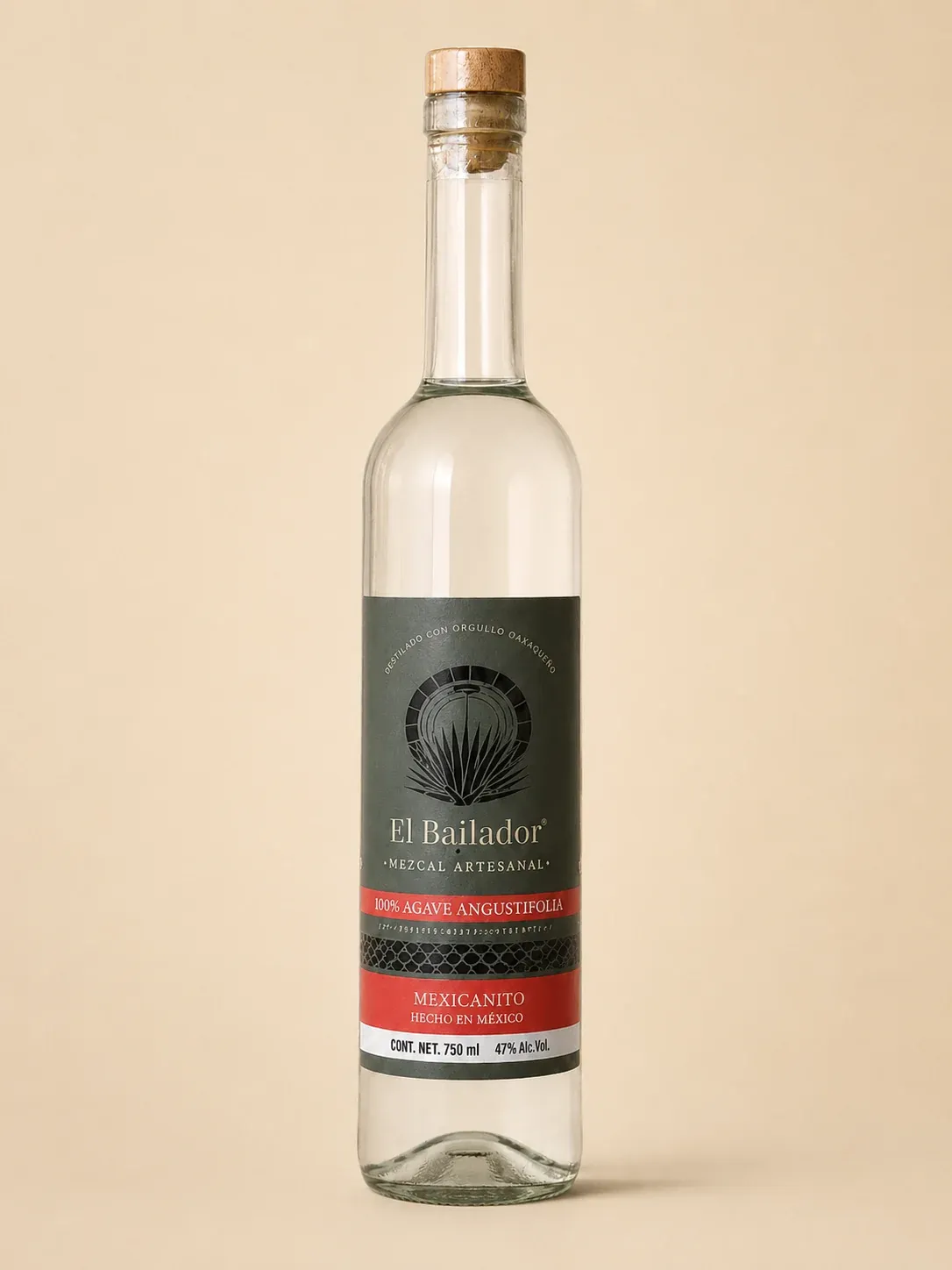
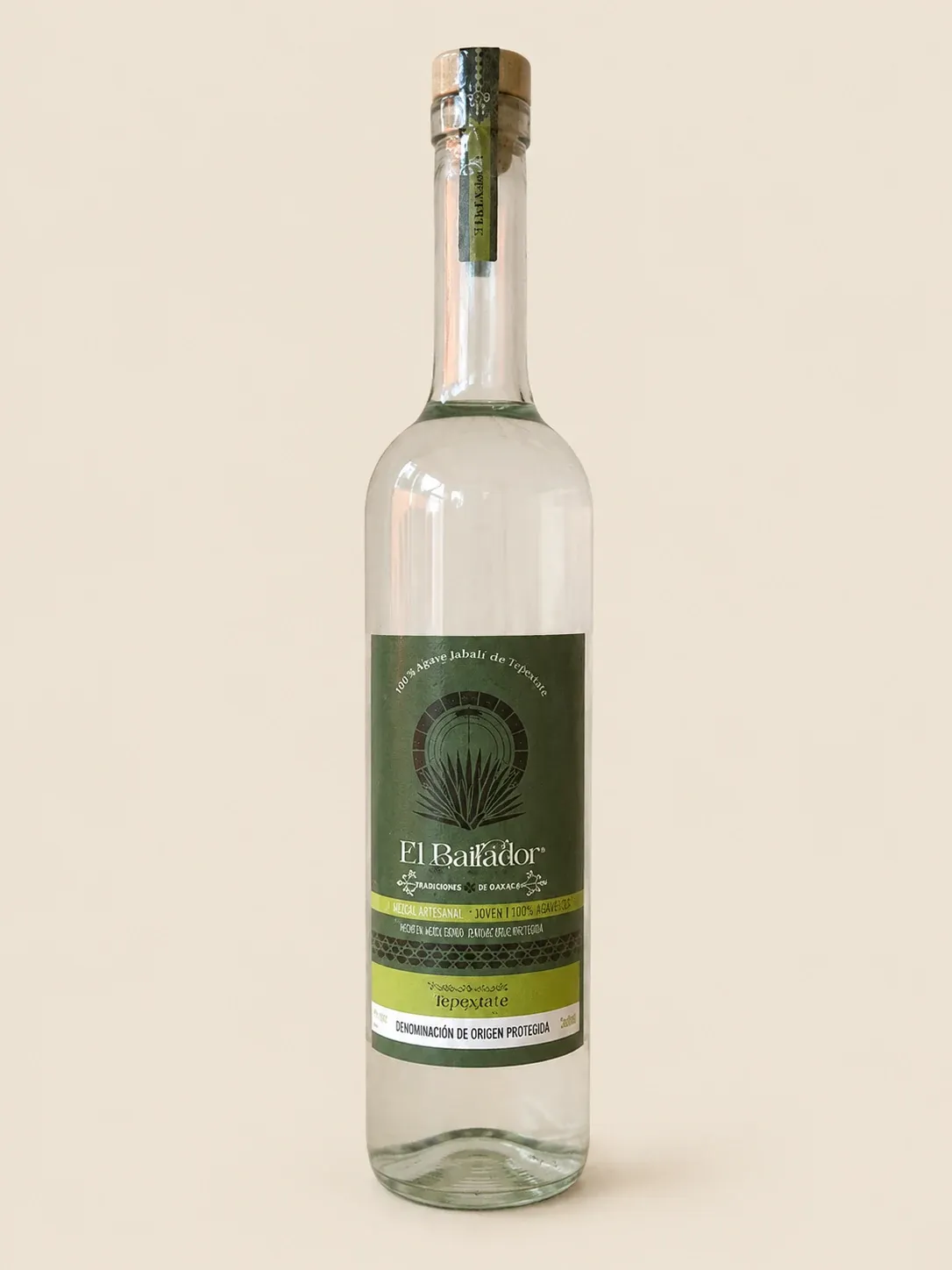
The family now works with Espadín, Tobalá, Tepextate and Mexicanito, all produced as joven mezcal at 48% ABV.
Brand Identity
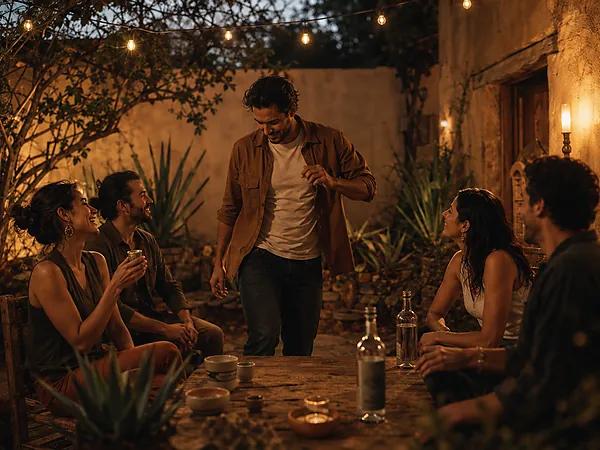
Why El Bailador?
El Bailador takes its name from the role mezcal plays when people gather.
A bottle is opened, the conversation loosens up, stories start flowing and the music gets louder. Sooner or later, someone starts to dance.
That idea became the brand’s name and its slogan: “Hasta el más serio baila.” Even the most serious person dances.
How Mezcal El Bailador Is Made
Mezcal El Bailador is made in San Pedro Quiatoni using a traditional artisanal process. The agave is cooked underground, milled by horse-drawn tahona, fermented in pine vats and double distilled in copper.
01 · HARVEST
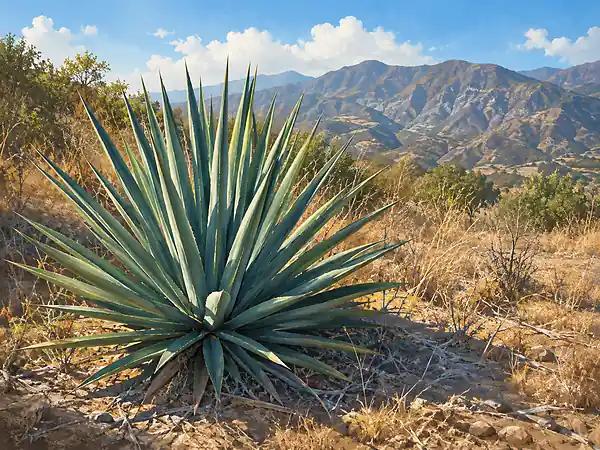
Four Agaves from the Quiatoni Area
El Bailador works with Espadín, Tobalá, Tepextate and Mexicanito. Each variety is released as a joven mezcal.
02 · COOKING
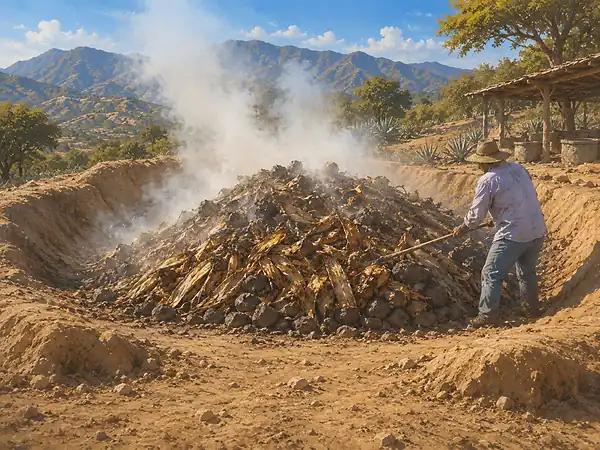
Cooked in a Conical Earthen Pit
The harvested agave is cooked in a traditional conical pit dug into the earth before it moves on to milling.
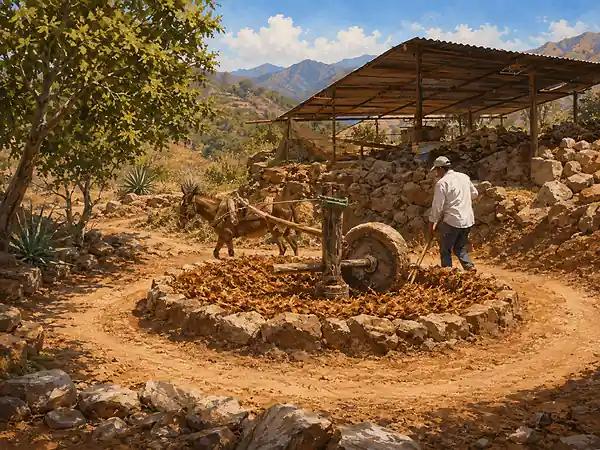
03 · MILLING
Crushed with a Horse-Drawn Tahona
After cooking, the softened agave is crushed with a stone tahona pulled by horse, breaking down the fibers before fermentation.
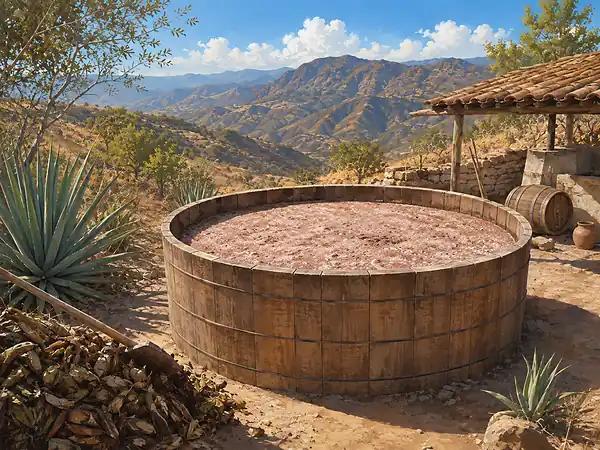
04 · FERMENTATION
Fermented in Pine Vats
The crushed agave and its juices are transferred to wooden fermentation vats made from pine.
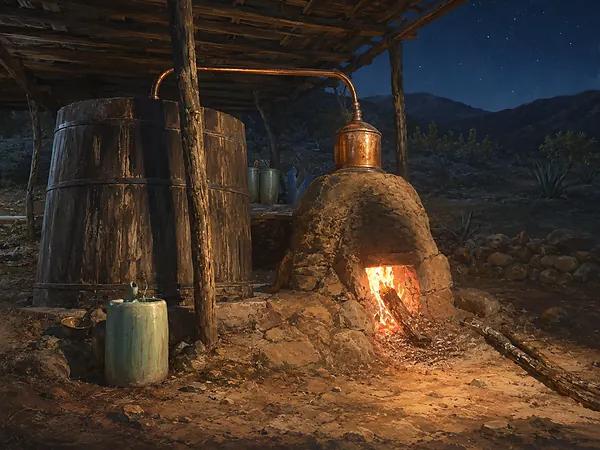
05 · DISTILLATION
Double Distilled in Copper
El Bailador is distilled twice in copper stills. The same double-distillation method is used across the current joven range.
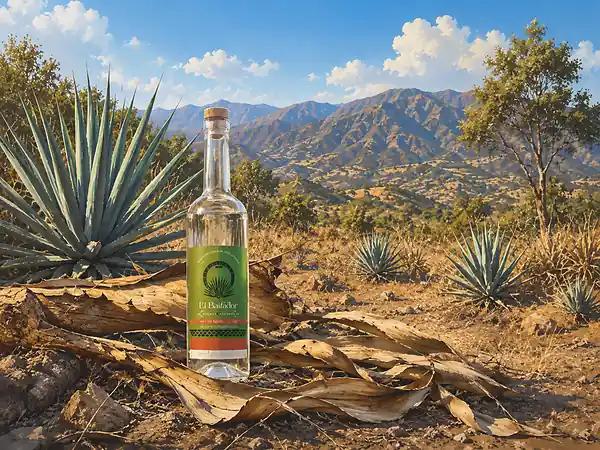
06 · BOTTLING
Bottled at 48% ABV
Espadín, Tobalá, Tepextate and Mexicanito are bottled as joven mezcal at 48% ABV in 750 ml glass bottles.
The Agaves of Mezcal El Bailador
El Bailador's joven range is built around four agaves: Espadín, Tobalá, Tepextate and Mexicanito. Each is bottled separately at 48% ABV, with a distinct aroma and flavor profile.
| Agave | Profile |
|---|---|
| Espadín | Fresh herbs, cooked agave, natural sweetness and soft smoke |
| Tobalá | Ripe fruit, herbal notes, earthiness and citrus |
| Tepextate | Wet earth, mineral and rocky notes, florals, herbs and a lightly bitter finish |
| Mexicanito | Green and herbal notes, citrus and a subtle menthol character |