
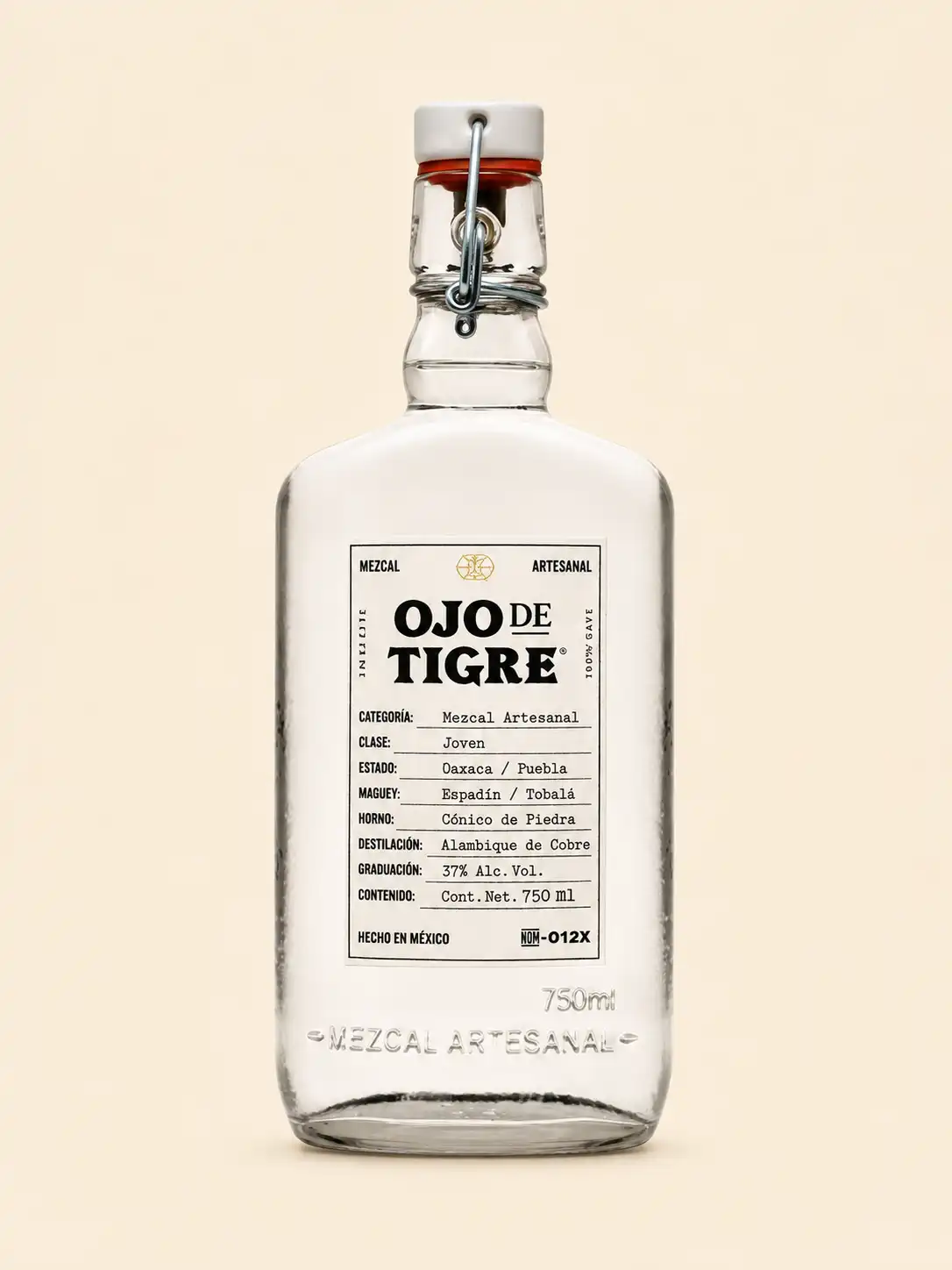
Two Agaves. Two States. One Mezcal.
Ojo de Tigre
Ojo de Tigre Mezcal brings together Espadín from Oaxaca and Tobalá from Puebla, produced separately before the two distillates are blended into one mezcal. The result was designed to balance cooked agave and gentle smoke with the fresher herbal character of Tobalá.
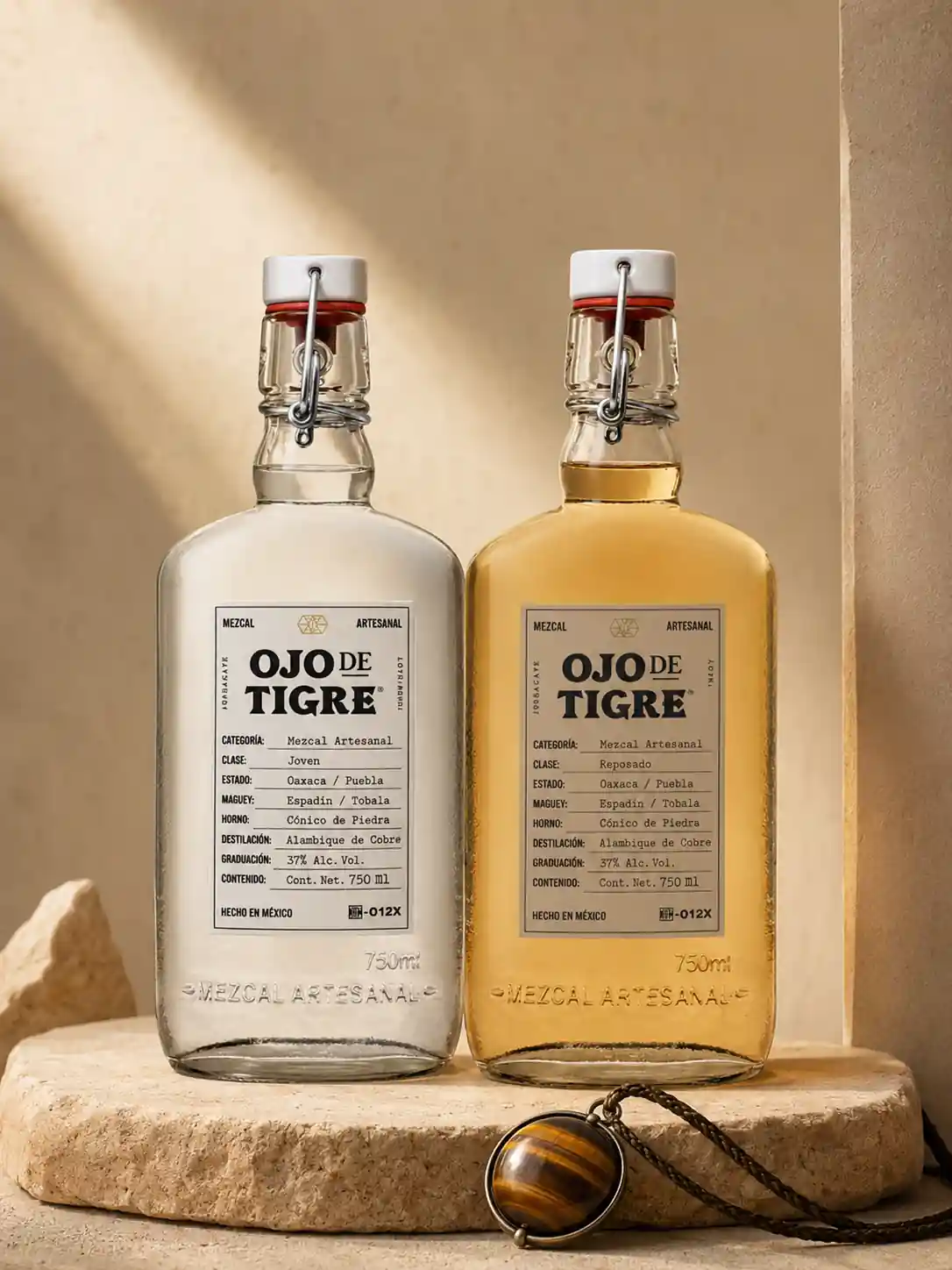
Blended After Distillation6-20 Day Wild FermentationAnforita-Inspired Bottle
THE BRAND
About Ojo de Tigre
Town
Tlacolula de Matamoros
Founder
Luis Gerardo Méndez
Mezcalero
Founded
2018
Website
EXPLORE THE COLLECTION
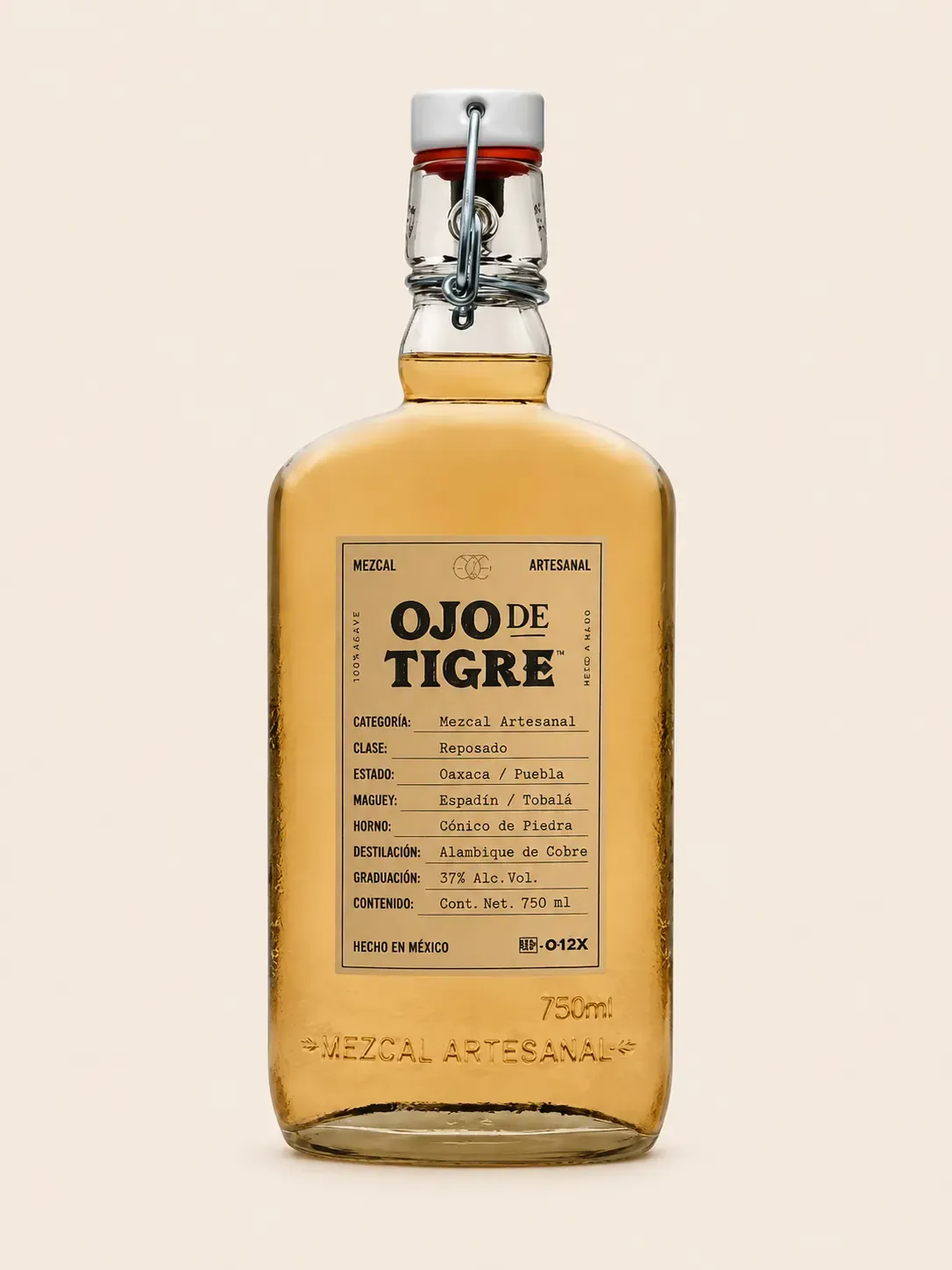
Bottle Lineup
The Story Behind Ojo de Tigre
Mexican actor Luis Gerardo Méndez grew up in Aguascalientes and moved to Mexico City in his early twenties to study acting.
Mezcal soon became part of life there. After acting classes or a night at the theater, he and his friends would head to bars in Roma or Condesa for a couple of mezcals.
An Offer From the US
Years later, an American businessman approached Méndez about becoming the face of a US mezcal brand.
He took the meetings, but turned the offer down. Mezcal felt too closely tied to Mexico for him to front an American project built around it.
The experience left him with another idea. If he was going to put his name behind a mezcal, why not create one in Mexico?
From an Idea to Ojo de Tigre
Méndez discussed it with his manager, Cory Crespo. The idea of making their own mezcal started almost as a joke, but soon led them to Casa Lumbre.
That first meeting turned into a year of development.
Méndez traveled through agave fields in Oaxaca and Puebla, visited producers and spent months talking with mezcaleros while the liquid and brand took shape.
Finding the Right Balance
Working with Casa Lumbre and Iván Saldaña, the team settled on an unusual combination: Espadín from Oaxaca and Tobalá from Puebla.
The aim was to make a mezcal that someone new to the category could enjoy without making it too simple for experienced mezcal drinkers.
El Mezcal Para Todos
Ojo de Tigre launched in Mexico in 2018.
That original idea still sits behind the brand’s El Mezcal Para Todos message: a mezcal built to bring more people into the category.
Brand Identity
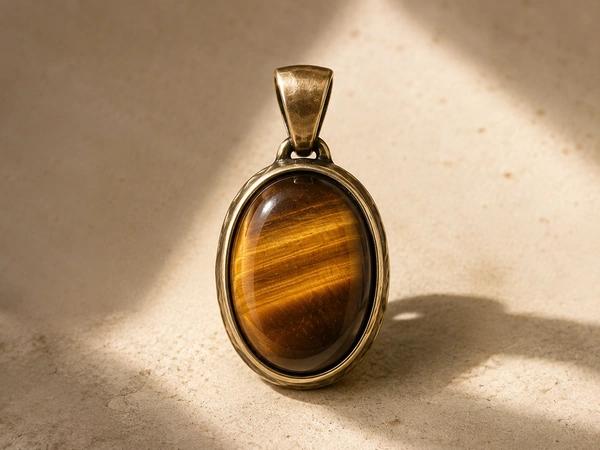
The Tiger’s Eye Amulet
Ojo de Tigre takes its name from tiger’s eye, a semiprecious stone traditionally carried as an amulet for protection and good fortune.
Luis Gerardo Méndez already had his own ritual around mezcal. He would drink it before premieres, after theater performances, and on other occasions he wanted to mark. That association with luck helped give the brand its name.
The bottle was inspired by old anforitas Méndez remembered from his grandparents’ home in San Luis Potosí. These small vessels were used to carry spirits or liqueurs and share them with others.
Ojo de Tigre produces its Espadín from Oaxaca and Tobalá from Puebla separately before bringing the two distillates together. Both follow an artisanal process built around pit cooking, natural fermentation and copper distillation.
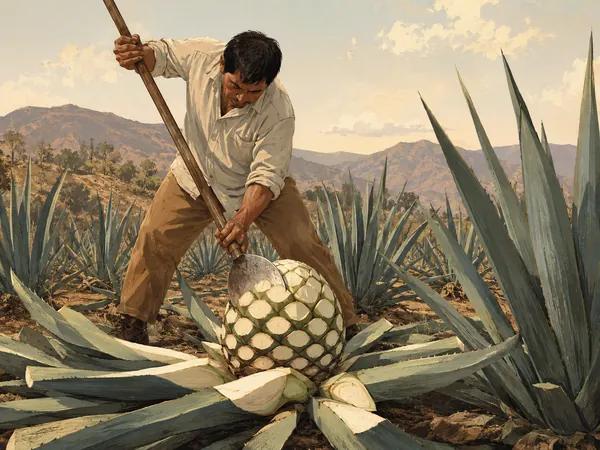
01 · HARVEST
Espadín and Tobalá at Maturity
Espadín from Oaxaca is harvested at around eight years of age, while the Tobalá from Puebla reaches maturity at roughly twelve. The pencas are removed, leaving the piñas for cooking.
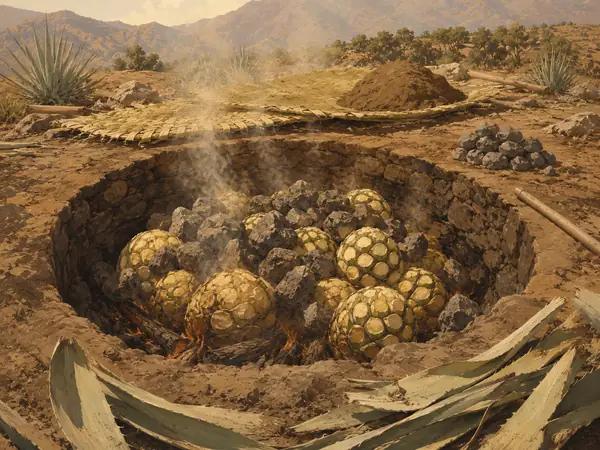
02 · COOKING
Six Days Underground
The piñas are cooked in a conical underground oven with volcanic stones and pine and oak wood. The oven is covered with petate, agave leaves and earth for about six days.
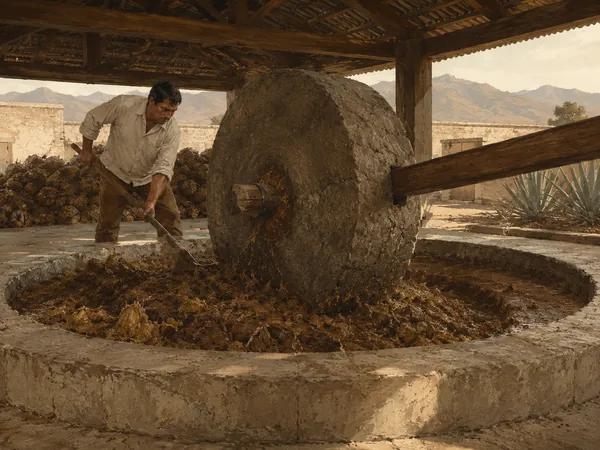
03 · MILLING
Machete and Volcanic-Stone Tahona
Once cooked, the piñas are cut into smaller pieces with a machete before being crushed with a volcanic-stone tahona, breaking down the softened agave for fermentation.
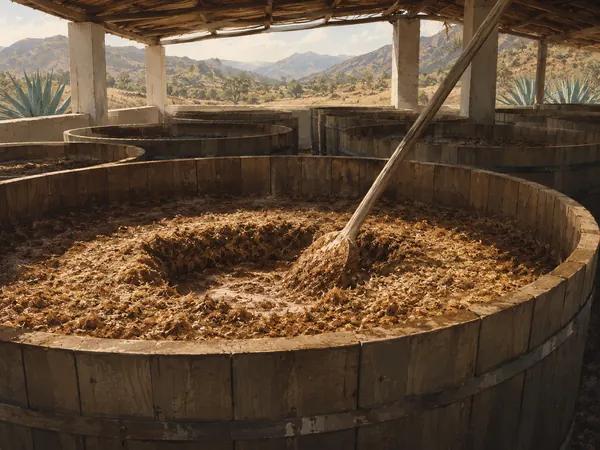
04 · FERMENTATION
Wild Fermentation in Wooden Vats
The crushed agave ferments in wooden vats using yeasts naturally present in the environment. Fermentation takes around 6–10 days in warmer weather and can reach 20 days when temperatures fall.
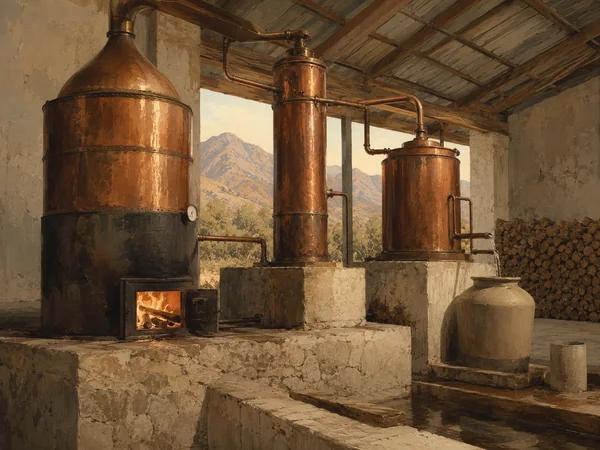
05 · DISTILLATION
Double Distilled in Copper
After fermentation, both agaves are double distilled in copper stills. The Oaxaca Espadín and Puebla Tobalá remain separate throughout this stage of production.
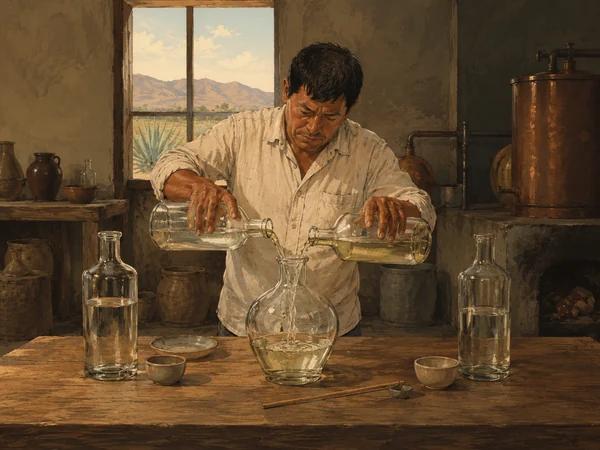
06 · BLENDING
Two Distillates Become Ojo de Tigre
Only after distillation are the two mezcals brought together. Guadalupe García blends the Espadín and Tobalá distillates to create the final Ojo de Tigre profile.
Two Agaves, Two States
Ojo de Tigre is made from two agaves grown in different parts of Mexico. Espadín comes from Oaxaca, while Tobalá comes from Puebla. Each agave is produced and distilled separately before the two mezcals are blended.
Espadín from Oaxaca
The Espadín is harvested at around eight years of age. It gives the blend its deeper cooked-agave character, with notes of caramel, dried fruit, and smoke.
Tobalá from Puebla
The Tobalá is harvested at around twelve years of age. Its profile is fresher and more herbal, with Ojo de Tigre highlighting notes of basil and lemongrass.
The Final Blend
The two agaves meet only after distillation. Guadalupe García blends the separate Espadín and Tobalá mezcals to bring Espadín's sweeter, roasted side together with Tobalá's brighter herbal character.
Sustainability
Ojo de Tigre grows the Tobalá used for its Puebla distillate instead of relying on mature wild plants.
Cultivating Tobalá
The agave is cultivated in Puebla and grown from fertilized seeds collected from naturally growing Tobalá.
This gives Ojo de Tigre a way to work with the variety without depending on the removal of established wild plants.
Planning Years Ahead
Tobalá takes around 12 years to reach harvest.
That long cycle means production has to be planned far in advance, with new plants already growing while mature agaves move toward harvest.
Espadín is cultivated separately in Oaxaca, giving Ojo de Tigre two distinct agave sources for the two distillates used in the final blend.