From Bramaderos, Oaxaca
Papadiablo Mezcal
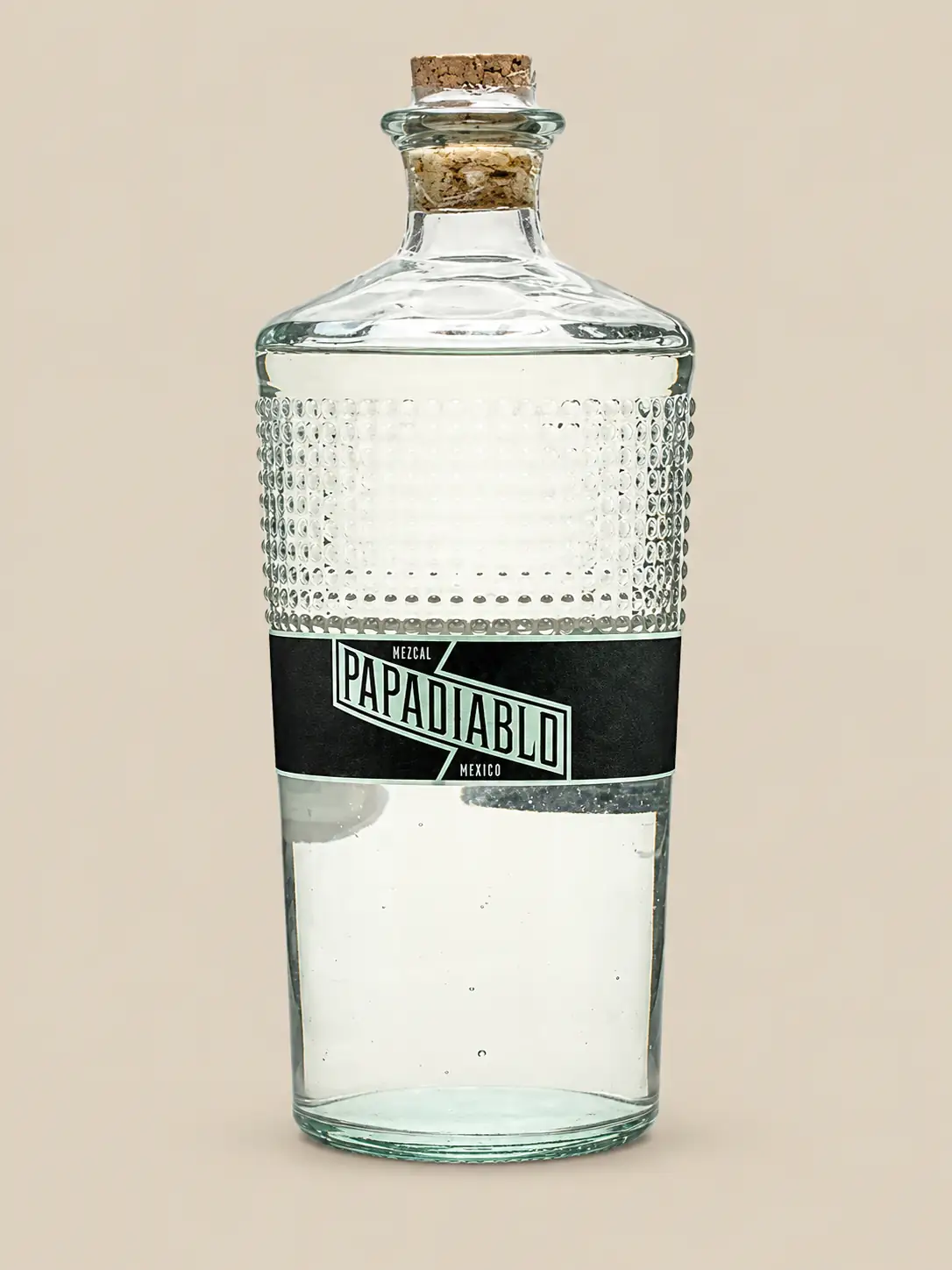
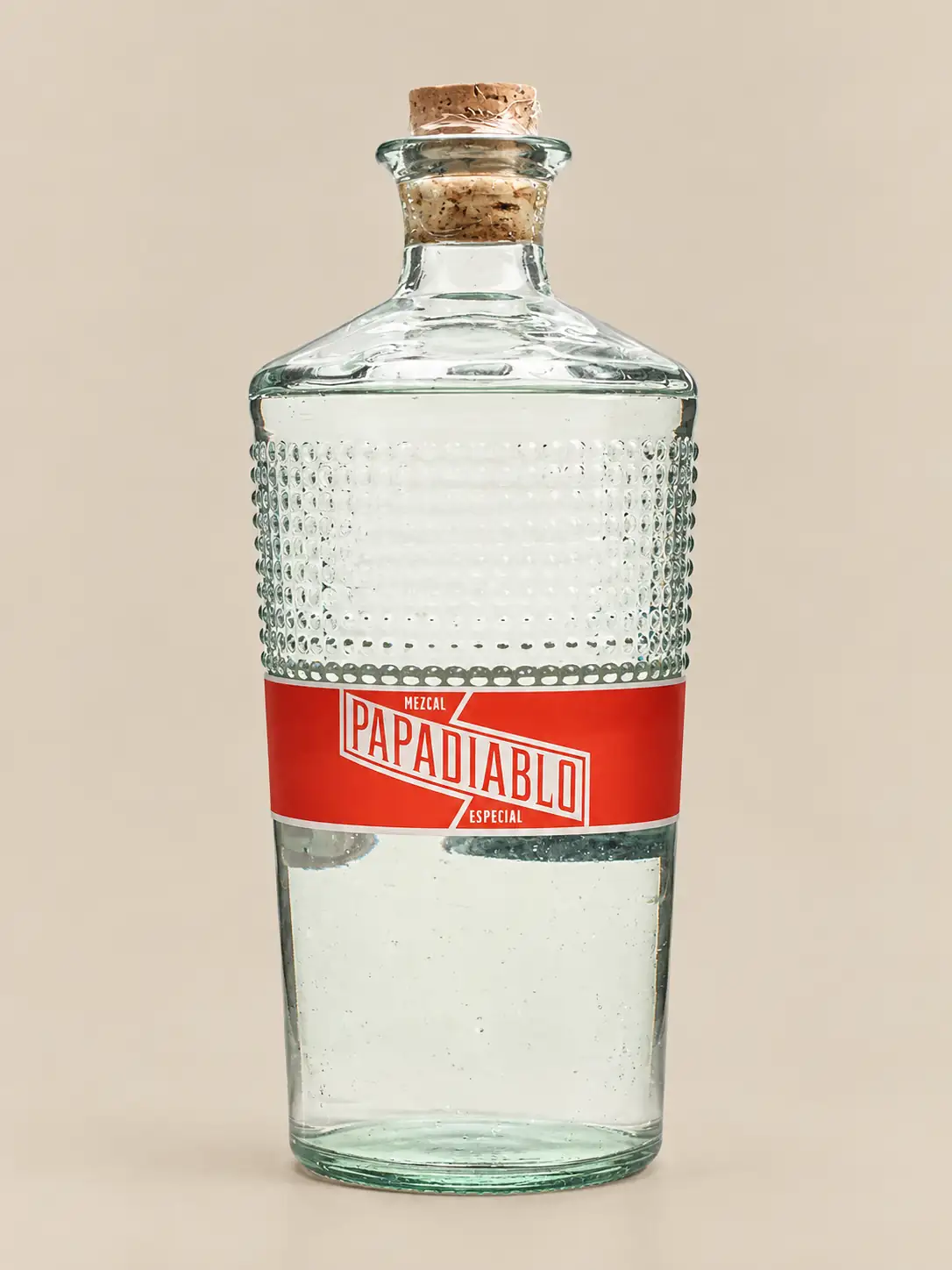
Papadiablo is produced by maestro mezcalero Don Alberto Ortiz in Bramaderos, Oaxaca. The range includes Espadín, a four-agave Especial and limited Arroqueño, made using traditional methods and bottled without dilution after distillation.
Hand-Crushed AgaveFour-Agave EspacialDistilled to Proof
THE BRAND
About Papadiablo
Region
Towns
Bramaderos · Bramedors
Founder
Rob Garza and partners
Mezcalero
Founded
2013
EXPLORE THE COLLECTION
Bottle Lineup
The Story Behind Papadiablo
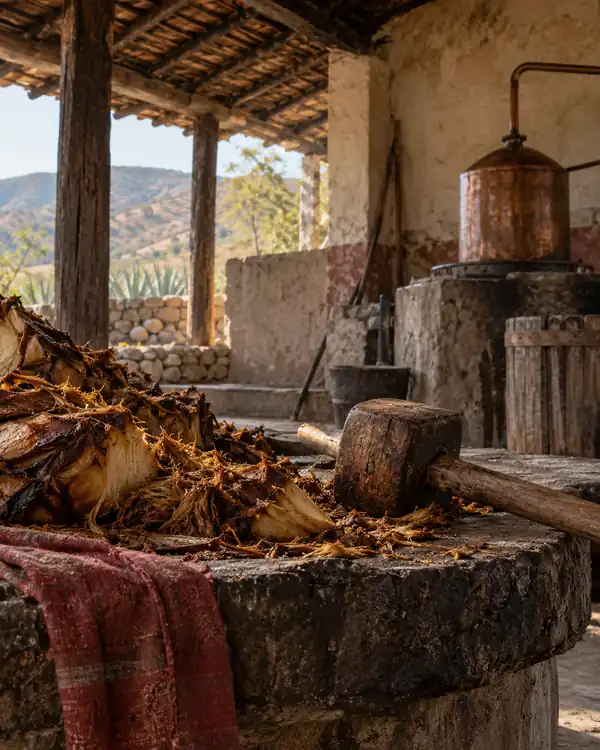
Papadiablo is made in Bramaderos, in the Miahuatlán district of Oaxaca, by maestro mezcalero Don Alberto Ortiz. His production draws on techniques used by previous generations in the region, from roasting agave in an earthen oven to fermenting in wooden vats and double-distilling in copper.
Built Around Don Alberto Ortiz
Ortiz remains the constant across the Papadiablo range. The bottles may use different agaves, but the same hands produce them at the same palenque.
Papadiablo also bottles at relatively high strength. The mezcal is distilled to its final proof rather than diluted with water afterward, so the exact ABV can vary slightly between batches.
From Espadín to Ensambles
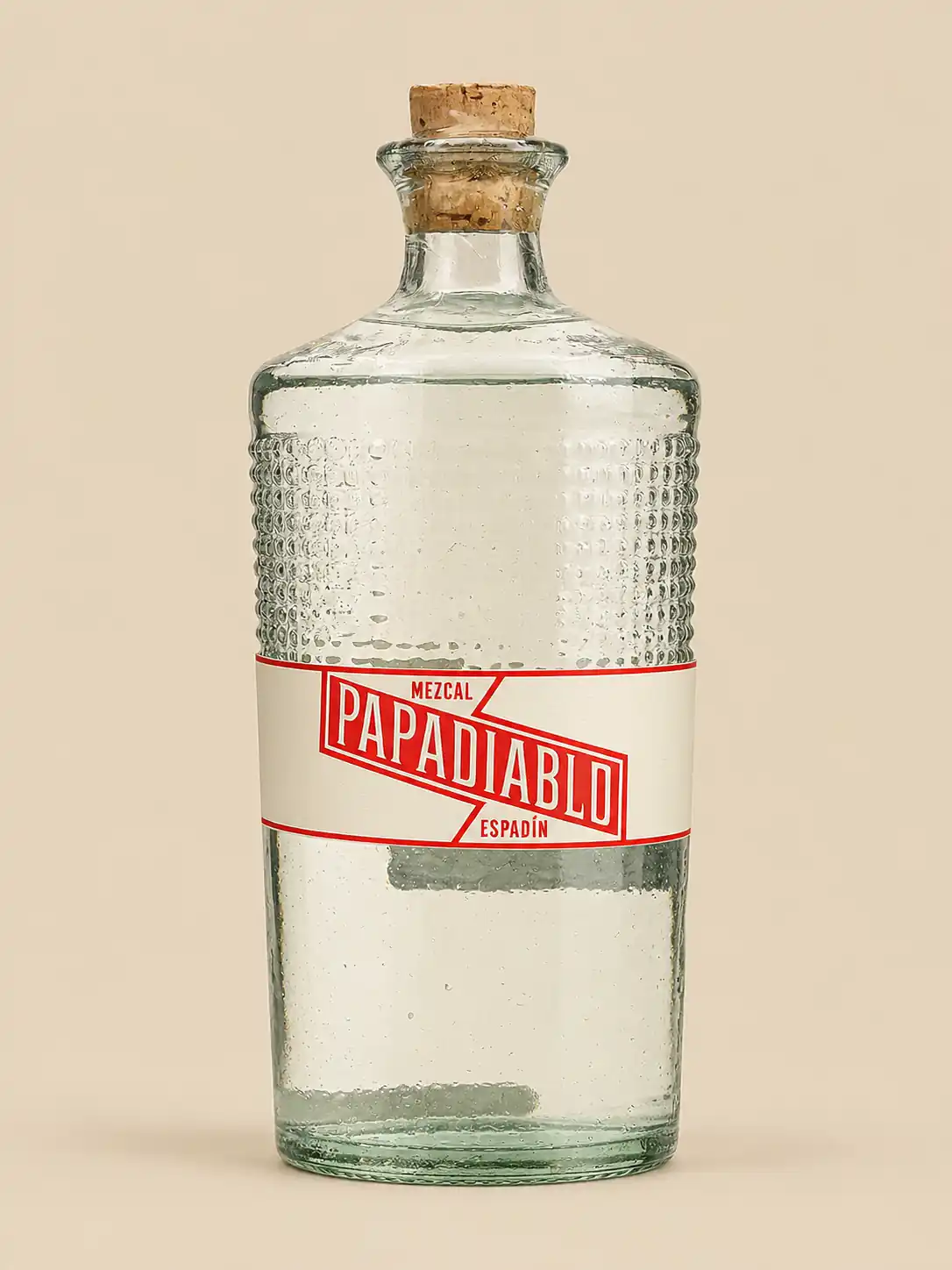
Espadín forms the starting point of the range, but Papadiablo soon moved beyond a single-agave expression.
Especial combines Espadín, Bicuixe, Madrecuixe and Mexicano in a four-agave ensamble. At the other end of the range is the limited Arroqueño expression, made in much smaller quantities from an agave that can require decades to reach maturity.
The Name
The Pope and the Devil
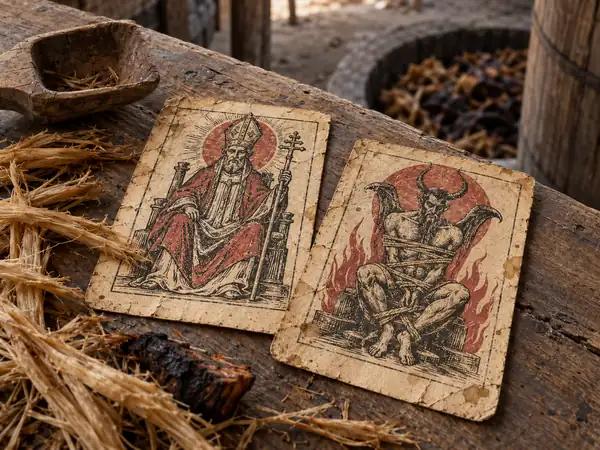
Papadiablo takes its name from two opposing figures, the Pope and the Devil, both central to the brand’s visual identity.
The label draws on tarot imagery, placing the two characters within the same design. The name brings together the sacred and the profane, while an arrow running across the artwork reinforces their contrast.
How Papadiablo Is Made
Papadiablo is produced at Don Alberto Ortiz’s palenque in Bramaderos, Miahuatlán, where his family has worked with mezcal for generations. Much of the work remains physically demanding, especially hand-milling cooked agave, which can take several workers hours.
The Agaves of Papadiablo
The range includes three expressions with different agave compositions. Espadín is made entirely from Agave angustifolia, while Especial combines four magueyes: Espadín, Bicuixe, Madrecuixe, and Mexicano.
Arroqueño is the most time-consuming of the three to cultivate. While Espadín typically reaches maturity within six to ten years, Arroqueño can take up to 25 years to reach harvest. Papadiablo produces this expression in smaller, limited batches.
01 / COOKING
Cooking
The agave is roasted in a conical stone oven before milling.
02 / MILLING
Milling
The cooked agave is crushed by hand with heavy wooden mallets in a stone canoe. Don Alberto Ortiz keeps animals out of the palenque for hygiene reasons, so three workers can spend around 14 hours crushing enough agave to fill a single fermentation vat.
03 / FERMENTATION
Fermentation
Fermentation takes place in sabino wood vats using well water and native fermentation.
04 / DISTILLATION
Distillation
The fermented agave is double distilled in copper alembic stills.
05 / BOTTLING
Bottling at Proof
Papadiablo aims for a bottling strength of 47.5% ABV, although the exact alcohol content can vary slightly between batches. The mezcal is distilled to its final strength, without adding water after distillation to reduce the ABV.
Awards and Recognition
Papadiablo Especial received a Gold Medal at the 2014 San Francisco World Spirits Competition. The winning entry was produced in Bramaderos, Miahuatlán, Oaxaca, and registered at 47.4% ABV.
Don Alberto Ortiz made Especial with four agaves: Espadín, Bicuixe, Madrecuixe, and Mexicano. The award came early in Papadiablo's history, shortly after the brand emerged in the Mexican mezcal market.