CENTRAL MEXICAN MEZCAL REGION
Guanajuato
THE REGION
About Guanajuato
Guanajuato entered the mezcal Denomination of Origin through San Felipe in 2001. San Luis de la Paz was added later in 2015, and in 2026 four more municipalities entered the protected mezcal map: Dolores Hidalgo, Comonfort, San José Iturbide and Tierra Blanca.
- DOM Since
- 2001
- Terrain
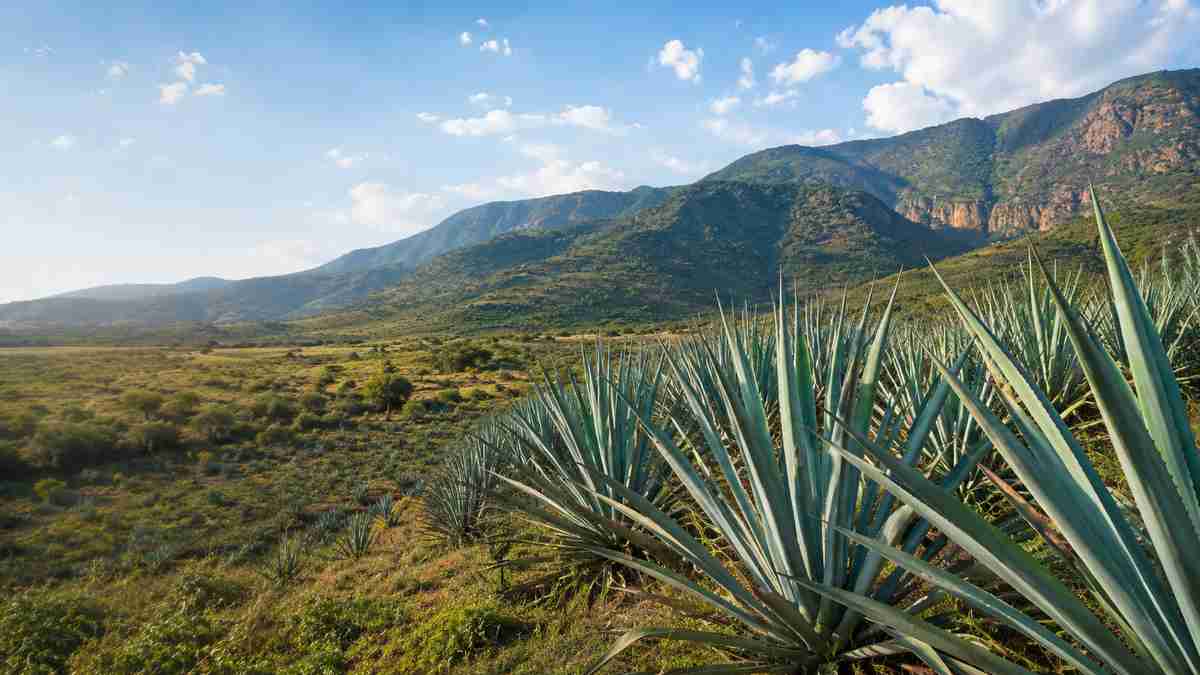
- Central highlands, semi-desert, dry plateau, old hacienda lands, Sierra Central
- Regional Style
- Herbal, floral, mineral, mild smoke, green, elegant
- Known For
- Hacienda mezcal, Agave salmiana, Jaral de Berrios, 1764 royal permit, San Felipe, San Luis de la Paz and the 2026 DOM expansion
Guanajuato as a mezcal region
Guanajuato entered the mezcal Denomination of Origin through San Felipe in 2001. San Luis de la Paz was added in 2015.
In 2026, four more municipalities were added to the protected mezcal map: Dolores Hidalgo, Comonfort, San José Iturbide, and Tierra Blanca.
As a mezcal region, Guanajuato is built around old haciendas in the dry northern highlands. San Felipe is the historic starting point.
Jaral de Berrios is the key name in San Felipe. The hacienda is tied to a 1764 royal permit for mezcal wine, one of the oldest legal records for agave spirits in Mexico.
Guanajuato production is closely linked to Agave salmiana, the large pulque maguey also seen in San Luis Potosí. The profile is usually herbal, floral, mineral, and low in smoke.
Producers in the regions normally work from haciendas, giant old rural estates with stone buildings, courtyards, and production spaces. In Guanajuato, these haciendas often replaced the small palenque-style setup known from Oaxaca.
San Luis de la Paz brings the semi-desert side of Guanajuato mezcal. Producers such as Rancho La Quinta and Hacienda Vergel de Guadalupe are tied to that highland landscape.