Legal origin
Original DOM territory
Guerrero was one of the five original states included in mezcal’s 1994 Denomination of Origin, alongside Oaxaca, Durango, San Luis Potosí and Zacatecas.

ORIGINAL DO STATE
THE REGION
Guerrero is one of mezcal’s original Denomination of Origin states, shaped by papalote agave, mountain production zones and Pacific distillation history.
The state Guerrero is one of mezcal’s five original Denomination of Origin states, included in the first legal recognition of mezcal in 1994 alongside Oaxaca, Durango, San Luis Potosí and Zacatecas.
The state’s strongest agave identity is papalote, or Agave cupreata, a species tied to mountain slopes in the Balsas basin and closely associated with Guerrero mezcal. Unlike many agaves, cupreata does not reproduce vegetatively, making seed, flowering and replanting central to its long-term future.
Guerrero’s mezcal story also reaches the Pacific coast. Early distillation in the region was shaped by Filipino-style stills used for coconut spirits, part of the wider technical history behind agave distillation in western and southern Mexico.
Legal origin
Guerrero was one of the five original states included in mezcal’s 1994 Denomination of Origin, alongside Oaxaca, Durango, San Luis Potosí and Zacatecas.
SIGNATURE AGAVES
Guerrero’s strongest agave identity is papalote, or Agave cupreata, a species tied to the mountain slopes of the Balsas basin.
Distillation History
Coastal Guerrero forms part of Mexico’s wider story of early distillation, where Filipino-style stills shaped coconut spirits before agave entered the frame.
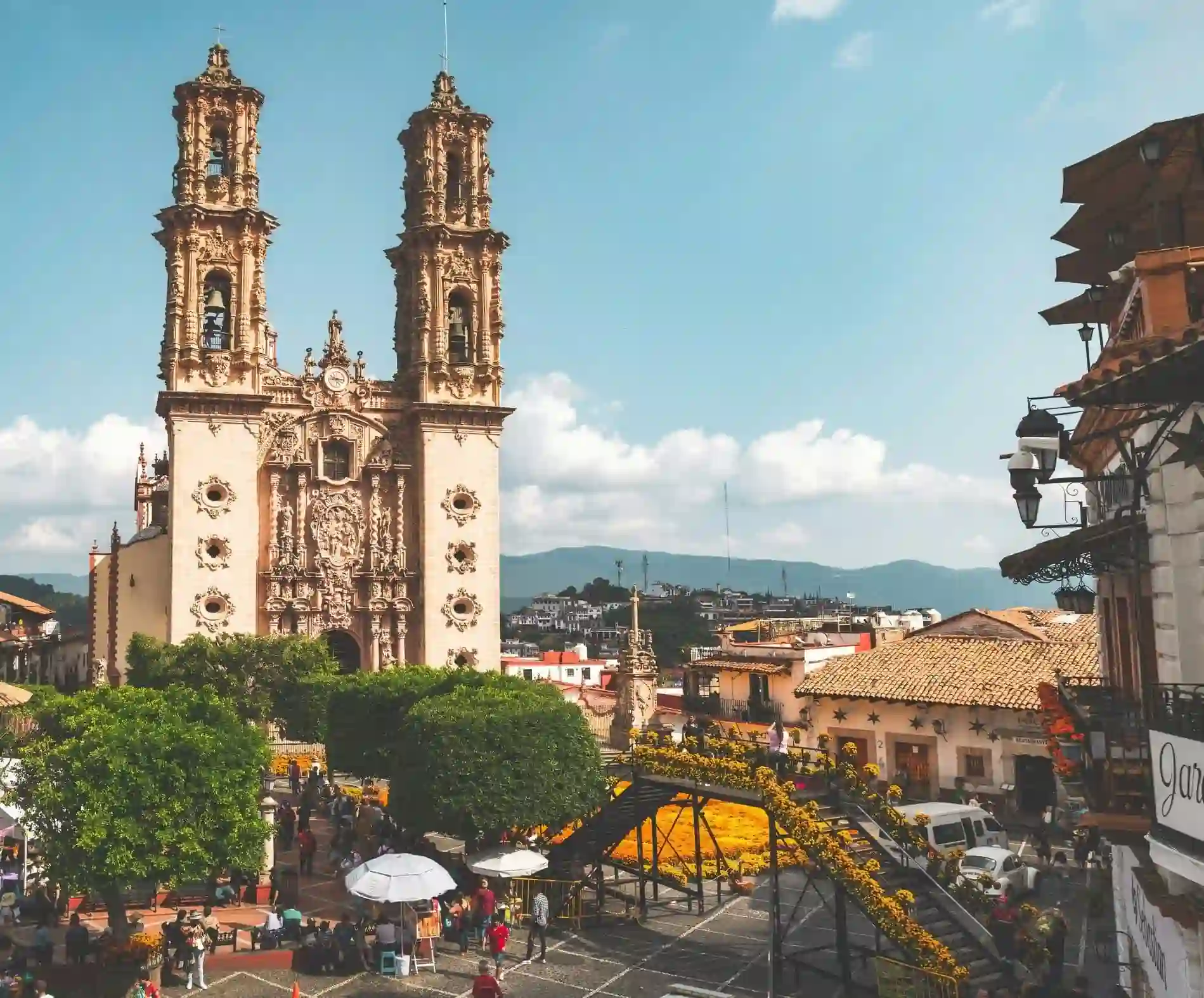
Guerrero’s mezcal region is shaped by the Sierra Madre del Sur, the Balsas basin and dry interior valleys. Production follows that terrain, with agaves on mountain slopes, small settlements between ridges, and valleys linking inland communities with the Pacific side of the state.
The strongest agave-terrain link is papalote, or Agave cupreata. In Guerrero, the species is closely tied to the mountain slopes of the Balsas basin, where altitude, dry conditions and seed-based reproduction make agave management part of the region’s long-term mezcal story.
Mazatlán is the best-known production town in this research, tied to Guerrero cupreata through Mezcal Amarás. Mochitlán and Chilapa de Álvarez are also useful examples of local mezcal production in the state, especially for showing Guerrero beyond one single agave or town.
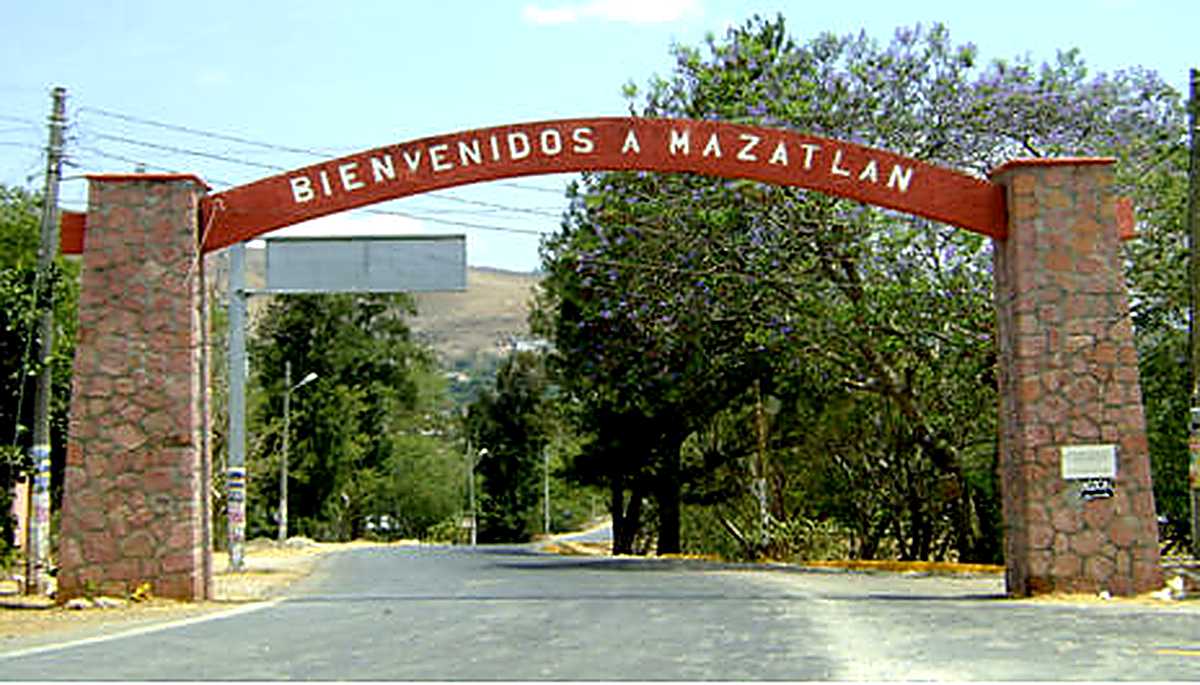
Cupreata town
Mazatlán is tied to Guerrero cupreata through Mezcal Amarás, making it one of the state’s clearest town-level links between papalote agave, named production and modern mezcal visibility.
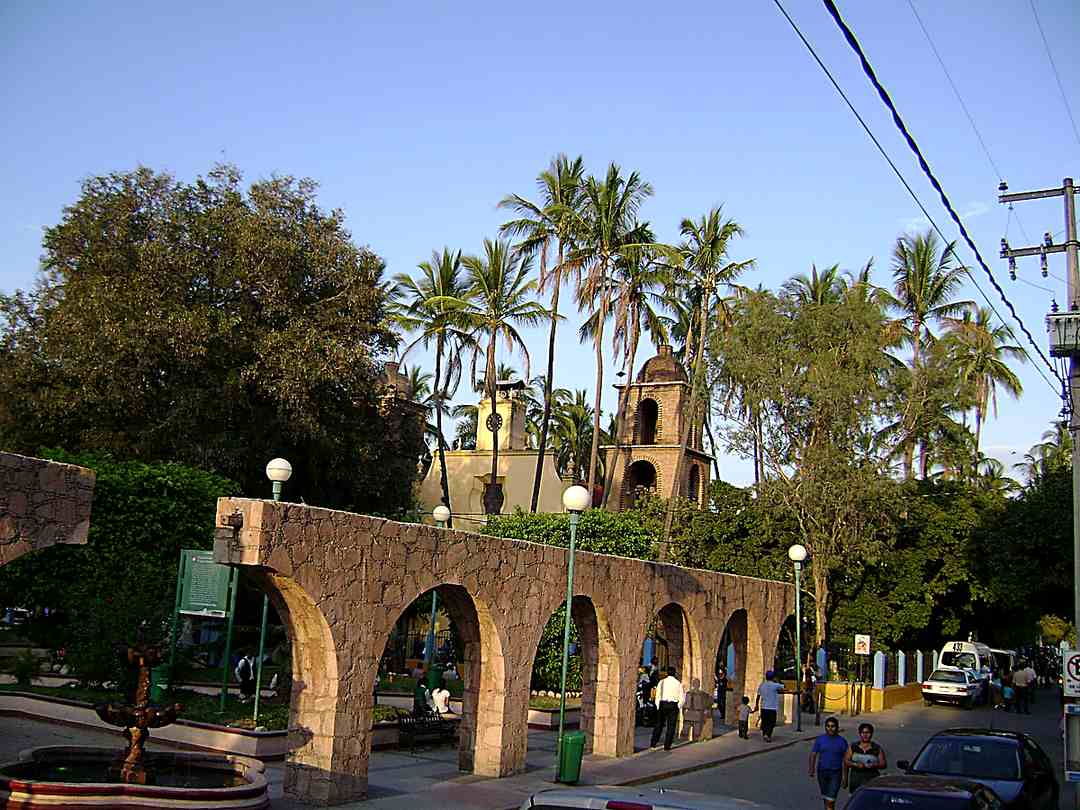
Agave management
Mochitlán connects Guerrero mezcal to local work around agave agroecology, cooperative organization and community training tied to the state’s mezcal culture.
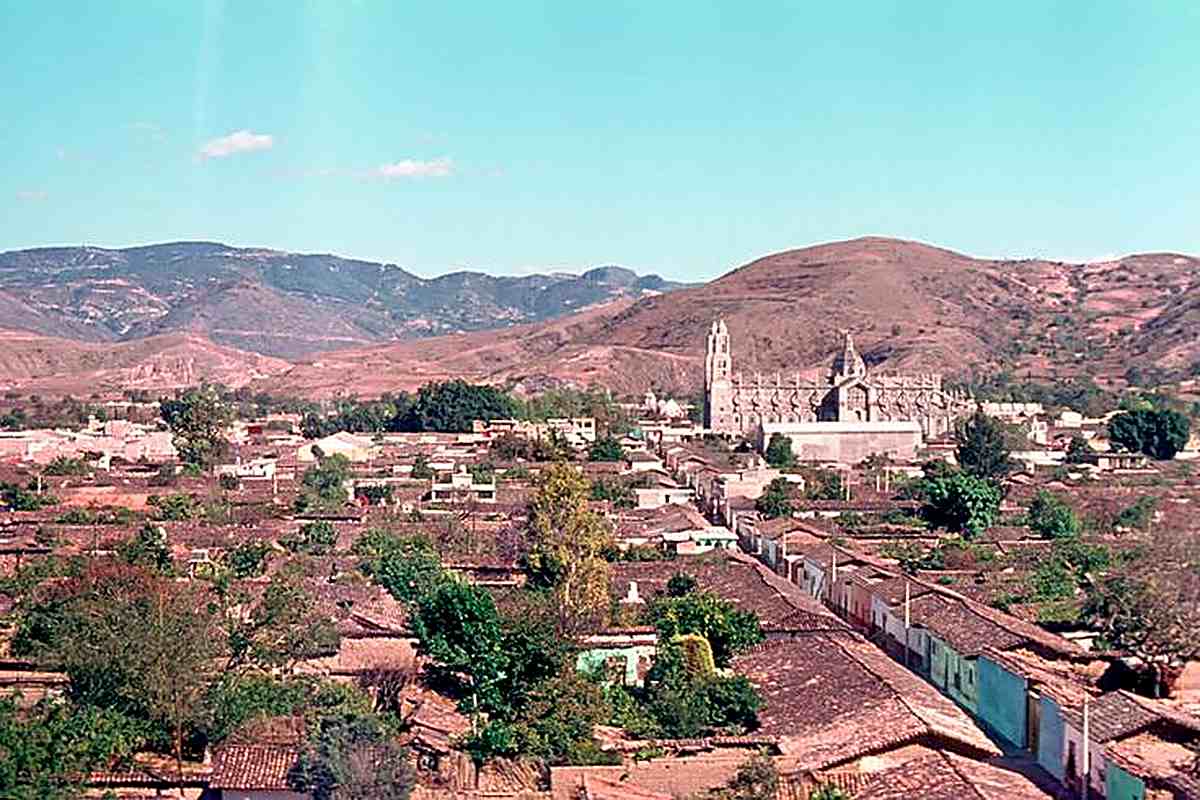
Market culture
Chilapa de Álvarez is known for its market, craft traditions and regional food culture, with local mezcal sitting alongside the city’s everyday specialties.
Papalote, botanically Agave cupreata, is Guerrero’s central mezcal agave. The agave plant is strongly tied to the state’s mountain slopes and to the Balsas basin, where the plant grows in dry, elevated terrain.
Unlike many agaves, Agave cupreata reproduces by seed. That makes flowering, seed collection and replanting central to Guerrero mezcal, especially when mature plants are harvested before they can complete their natural cycle.
Local names can make Guerrero agaves hard to read from the outside. Papalote is the clearest name for the region, while labels and local sources may also use broader terms such as maguey mezcalero or hoja ancha for the same agave tradition.
Papalote is Agave cupreata, Guerrero’s central mezcal agave. It grows on mountain slopes in the Balsas basin and reproduces by seed, making flowering, seed collection and replanting central to the region’s agave future.
Mezcal de Guerrero starts with papalote, or Agave cupreata, harvested from mountain slopes in the Balsas basin. The process follows the same core sequence as other traditional mezcal: cooking, milling, fermentation and distillation.
Papalote can be pit-roasted or cooked in masonry ovens, then crushed by stone, tahona, mallets or mechanical mills. Fermentation may take place in wood, stone, clay or masonry vessels, before distillation in copper or clay equipment.
Because Agave cupreata reproduces by seed, mature plants are part of the production story before they ever reach the oven. Flowering, seed collection, nurseries and replanting decide how much papalote remains for future mezcal.
Flavor drivers
Oaxaca’s flavor range comes from production choices, not one regional template. The clearest patterns come from ageing class, ovens, fermentation, terrain and still type.
Papalote often gives Guerrero mezcal a green, herbal and vegetal core, especially in cupreata expressions from Mazatlán. The profile can still shift with maturity, cooking, fermentation and distillation.
Guerrero cupreata is strongly tied to the mountain slopes of the Balsas basin. Dry, elevated growing conditions can support a leaner, more herbal profile, but the final mezcal depends on the producer and process.
Papalote can be cooked in earth or masonry ovens. This builds the roasted agave base of the mezcal, with smoke, cooked sweetness and earthy edges changing with the oven, fuel, cooking time and agave condition.
Fermentation shapes aroma, acidity and texture before distillation. In Guerrero, as elsewhere in mezcal, vessel material, water, ambient temperature and native yeasts can push cupreata toward brighter, fruitier, funkier or more rustic expressions.
Guerrero’s sustainability question starts with papalote. The species behind Guerrero’s central mezcal agave reproduces by seed, not by sending up young shoots from the parent plant, so every harvested plant removes a future flowering cycle unless seed collection and replanting are part of the system.
The pressure is strongest when mature agaves are cut before flowering. That is exactly when the plant is valuable for mezcal, but also when it would normally produce seed. For Guerrero, long-term mezcal production depends on nurseries, selected seed plants and careful replanting across the Balsas basin.
Good producers cannot treat papalote as an endless wild resource. The future of Guerrero mezcal depends on keeping enough mature plants in the landscape, protecting genetic diversity and making agave management part of production rather than an afterthought
EXPLORE THE COLLECTION
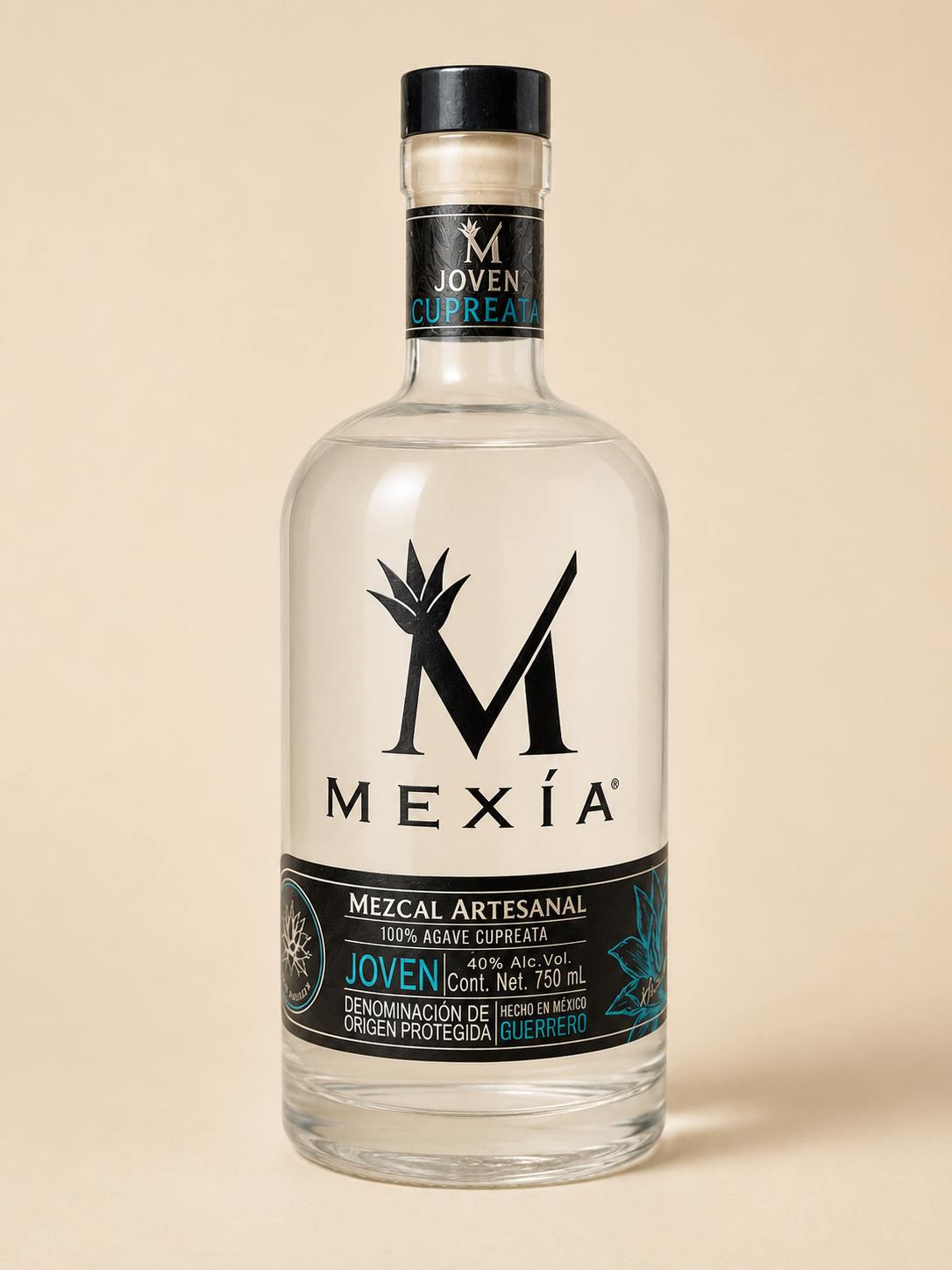
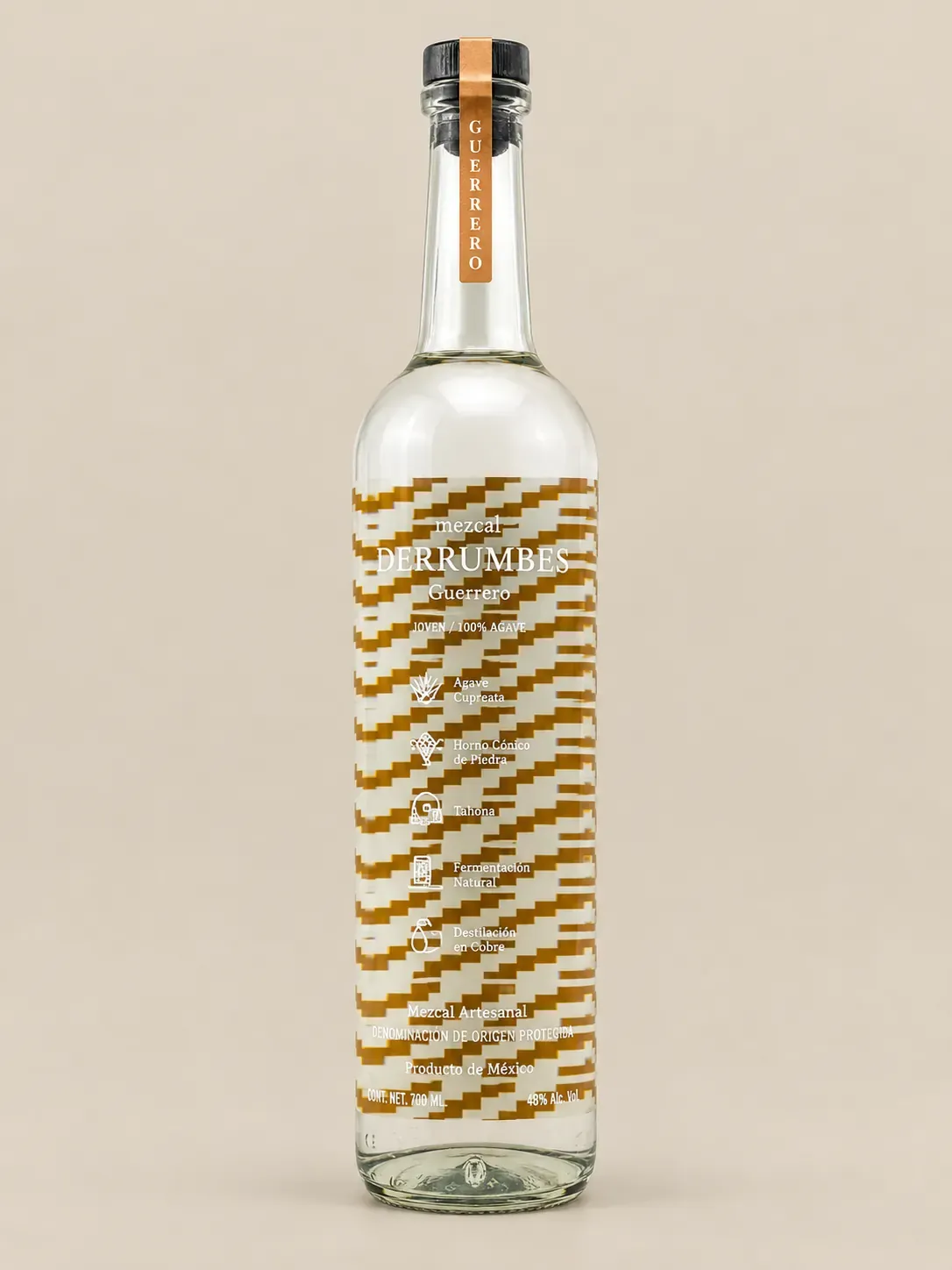
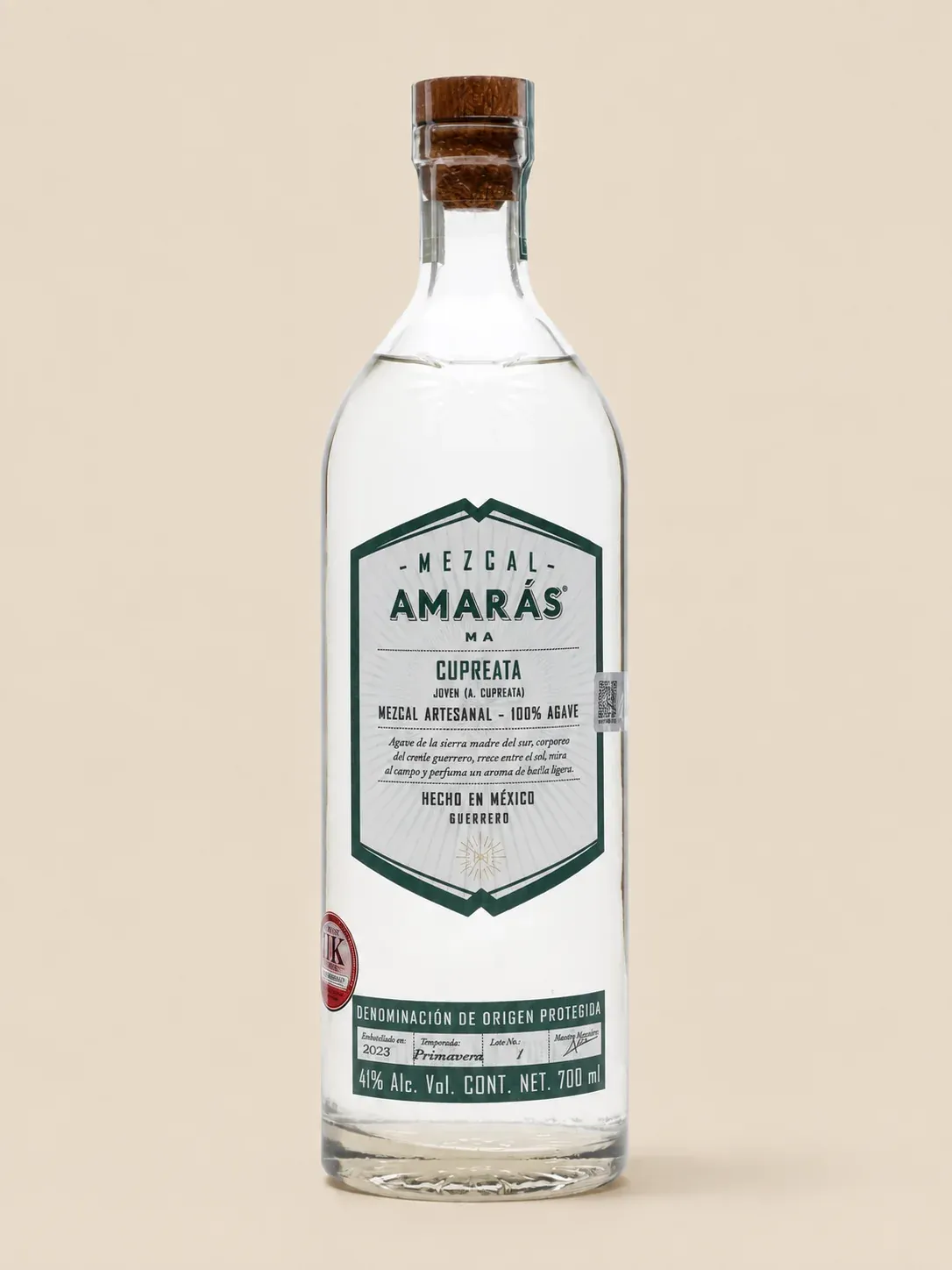
3 bottles in our database