Legal STATUS
29 DOM municipalities
The 2012 expansion of the Denominación de Origen (DOM) legally recognized Michoacán’s distinct, historic mezcal heritage zones.

WESTERN MEZCAL REGION
THE REGION
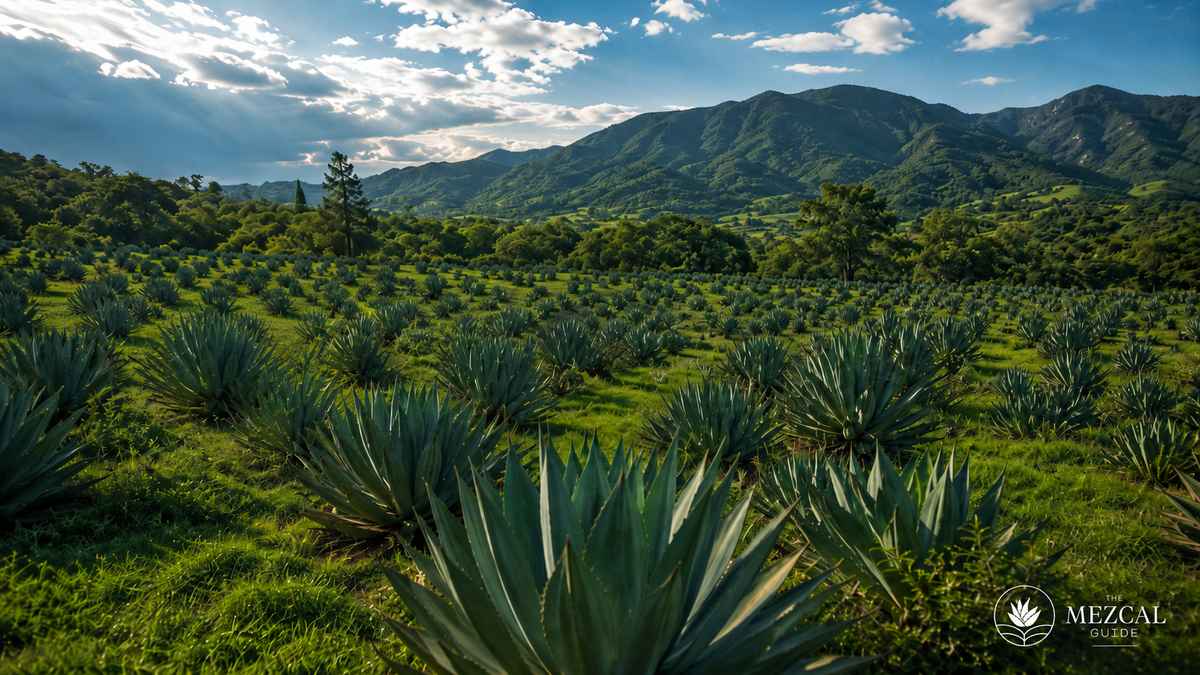
Michoacán is a western Mexican mezcal region shaped by highland agaves, forested mountain zones and producer traditions around places such as Villa Madero, Indaparapeo and Etúcuaro.
The state of Michoacán entered mezcal’s protected geography through a 2012 DOF modification, adding 29 municipalities to the legal map. That gives Michoacán a different starting point from Oaxaca and Guerrero, which were part of the original 1994 declaration.
The state’s mezcal map runs through mountain and forest country in west-central Mexico. The region also has a visible festival culture. From Villa Madero’s Expo Feria del Mezcal y del Taco to Etúcuaro’s Festival del Mezcal, Ario de Rosales’ summer fair, and Morelia’s Mezcalmanía.
In Michoacán, a mezcal distillery is commonly called a vinata, a term used instead of Oaxaca’s better-known palenque.
Michoacán also has its own agave vocabulary. Agave cupreata is known locally as chino, while Agave inaequidens is known as alto or bruto.
Underground stone pits, fermentation in wooden tanks, and distillation in clay pots or traditional Filipino-style stills, often a hybrid of copper and pine, together form the state’s distinctive production landscape.
Legal STATUS
The 2012 expansion of the Denominación de Origen (DOM) legally recognized Michoacán’s distinct, historic mezcal heritage zones.
AGAVE IDENTITY
These endemic species thrive in the region's pine forests and high altitudes, yielding remarkably herbal, mineral, and sweet flavor profiles.
PRODUCTION METHODS
From underground stone pits to hybrid stills made of copper and hollowed pine logs, production remains deeply artisanal and ancestral.
Michoacán’s mezcal regions are shaped by the meeting of two major mountain systems: the Trans-Mexican Volcanic Belt, Mexico’s central volcanic belt, and the Sierra Madre del Sur, the southern range that runs toward the Pacific.
Cold pine and oak forests at higher altitudes can drop into warmer, drier valleys, creating sharp changes in climate, soil, and agave-growing conditions.
Agave in Michoacán can grow from lower dry zones to mountain areas above 2,000 meters. Volcanic soils, spring water and cool nights help shape slower-growing magueyes with concentrated sweetness, giving many Michoacán mezcals a mineral backbone with herbal, floral and earthy depth.
Mezcal fair
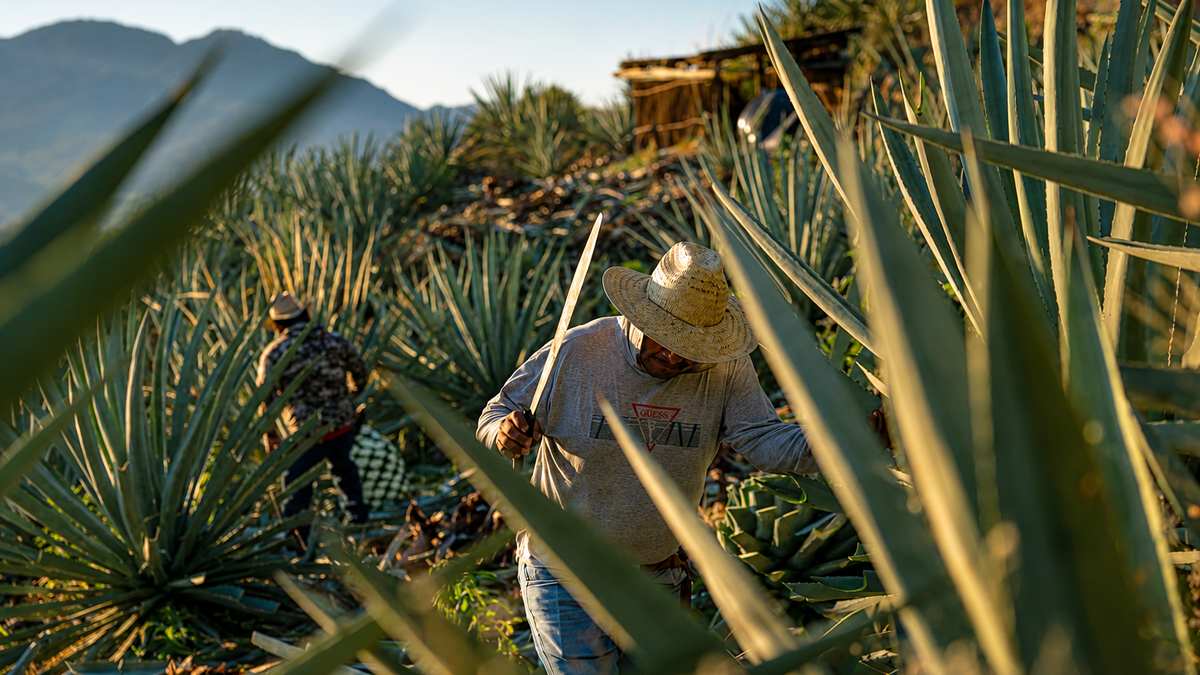
Madero is Michoacán’s mezcal heartland, responsible for around 80% of the state’s total volume and centered on the legendary village of Etúcuaro. Traditional production now sits alongside growing eco and adventure tourism, while Madero also hosts the annual Feria del Mezcal.
State capital
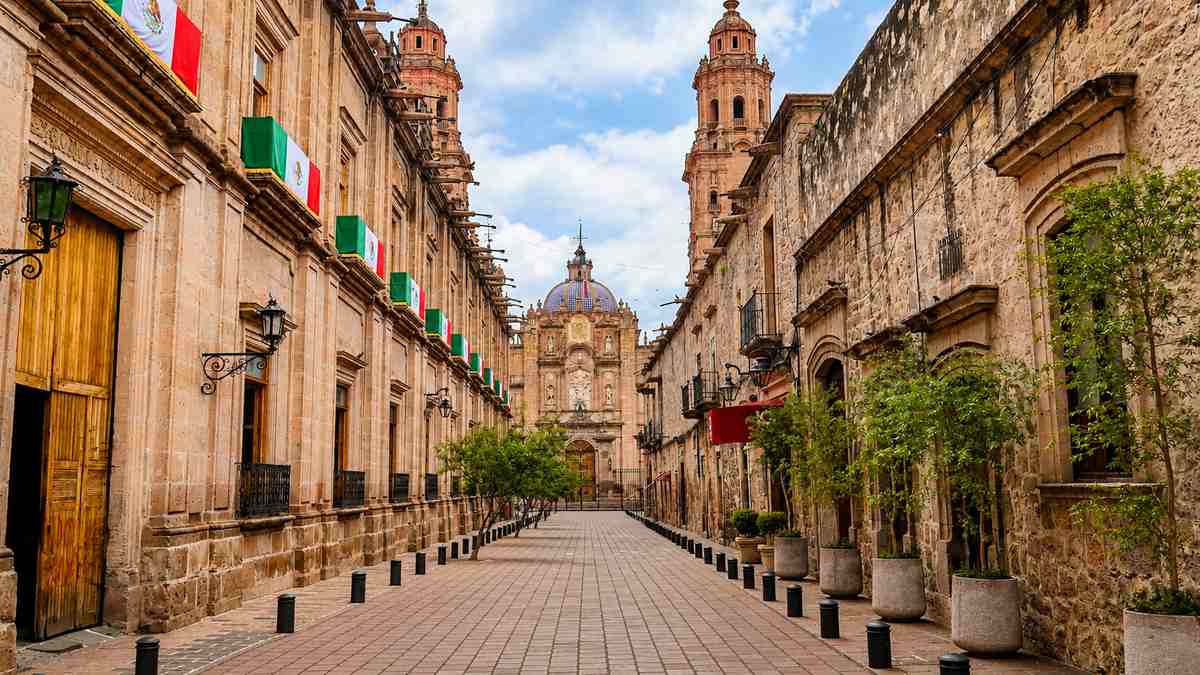
Morelia has been linked to mezcal for more than 400 years and now serves as Michoacán’s commercial and gastronomic mezcal hub. Trendy mezcalerías in the capital sit close to older craft traditions in the surrounding forested mountain tenencias, including Jesús del Monte and Tumbisca.
Ex-Hacienda Zacapendo
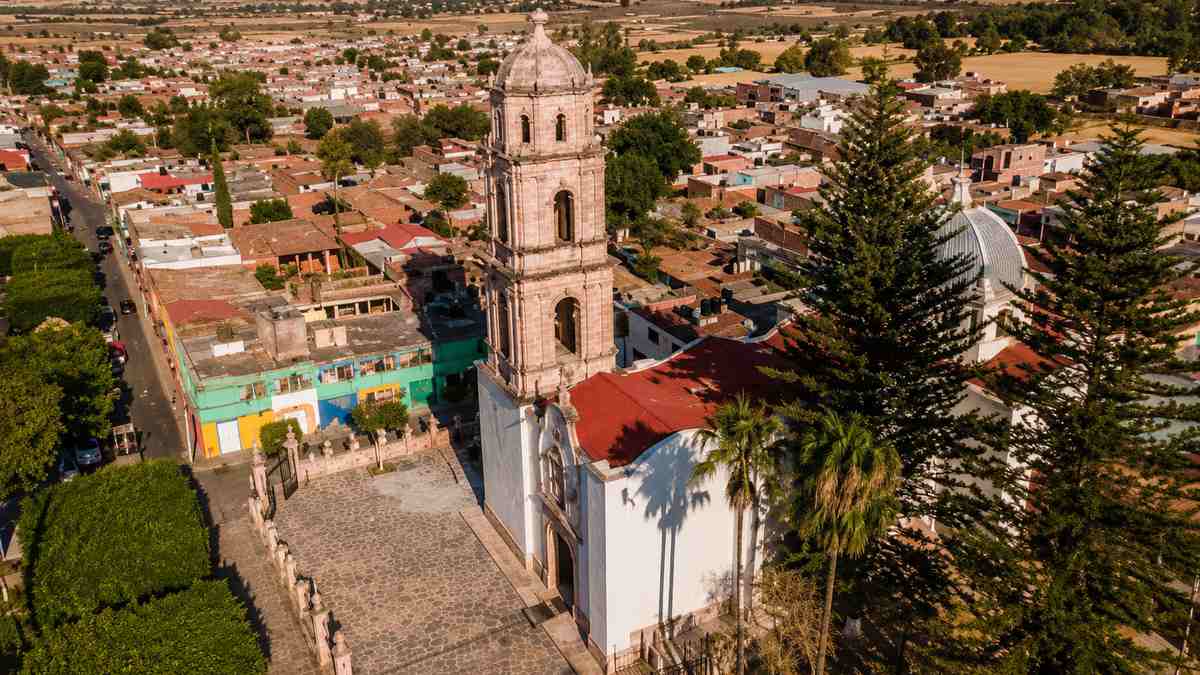
Home to La Luna Mezcal, one of Michoacán’s most successful and internationally known brands. Local politicians and producers have openly stated the goal of becoming the state’s largest mezcal-producing municipality, which has led many corn farmers to shift toward agave cultivation. Indaparapeo combines cultivated cupreata with rare wild magueyes such as Chino Silvestre and the giant Agave Bruto.
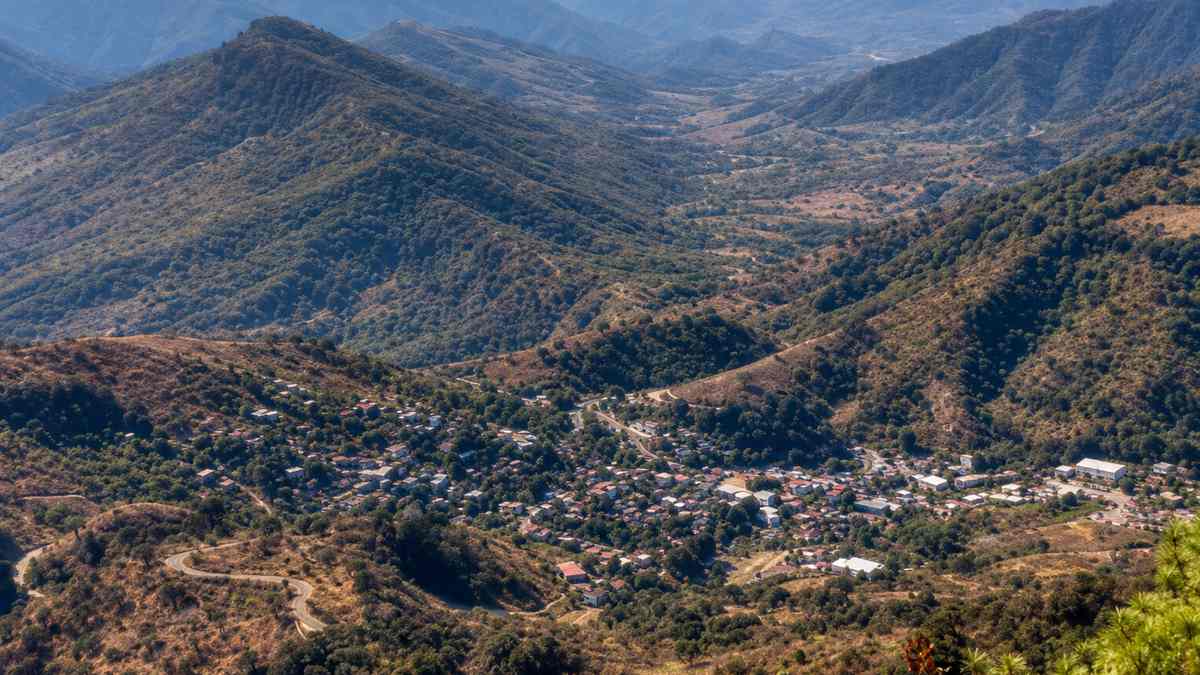
Balsas depression
Tzitzio sits in a dramatic transition zone where cool, misty pine forests meet the tropical inland climate of Tierra Caliente. That sharp contrast gives the area a distinct terroir, producing mezcal with deep, earthy, and mineral character. One of its most fascinating traditions is burying glass vessels in the ground, allowing the spirit to rest underground.
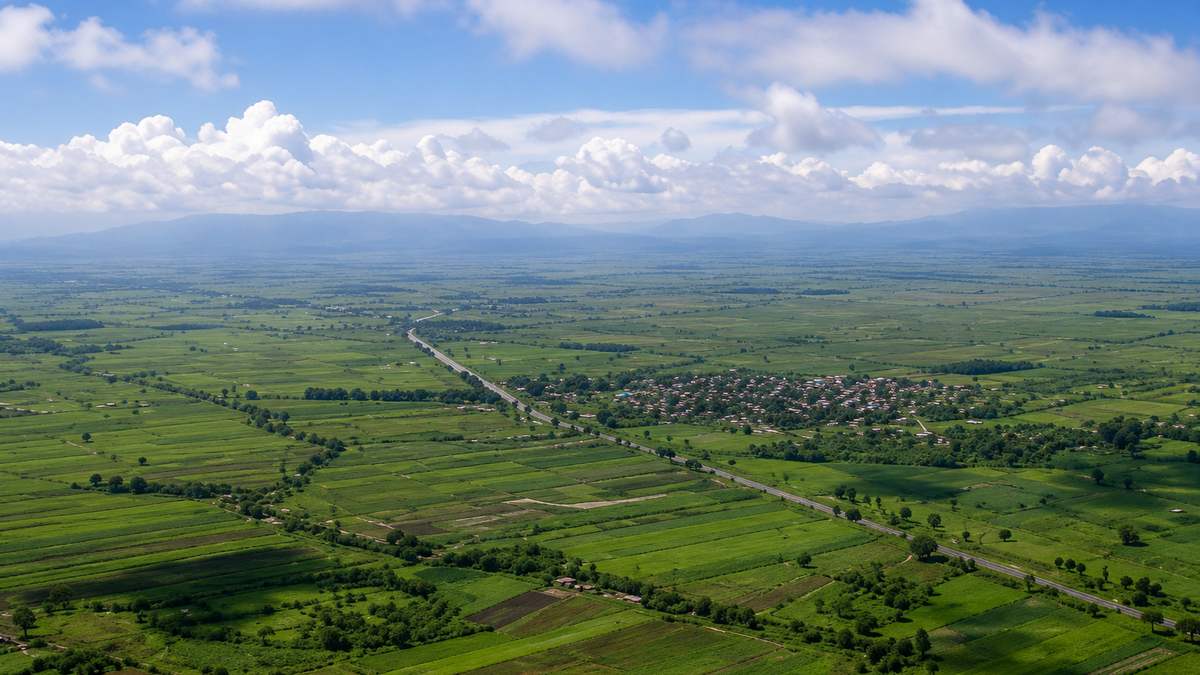
Near Morelia
Tarímbaro has a lower, warmer, and semi-dry valley climate north of Morelia. The area is known for Agave salmiana, a giant agave traditionally used for pulque but also distilled here into mezcal.
Its lower smoke profile gives the spirit a creamy texture with sweet, herbal, and vegetal undertones. Tarímbaro also hosts the Feria del Pulque, el Mezcal y el Asado, where this rare spirit is celebrated alongside carnival figures and traditional food.
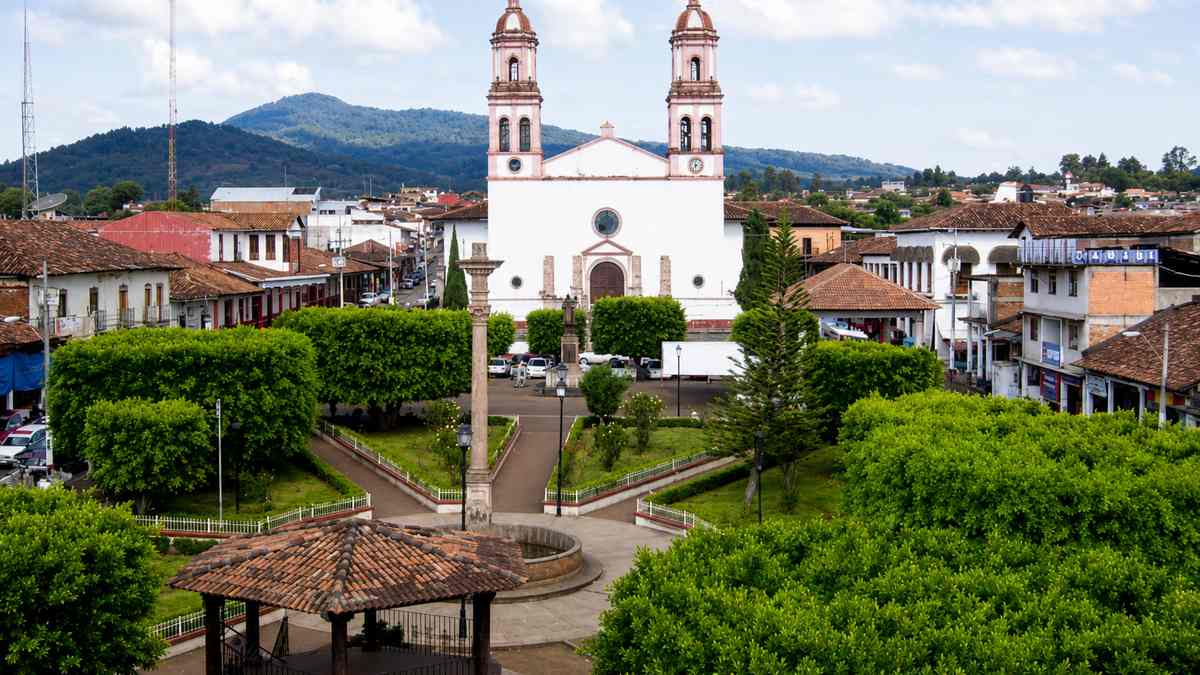
Summer fair
Ario de Rosales sits in a humid, temperate transition zone at around 1,900 meters, where cool pine forests meet the gateway to Michoacán’s warmer interior. Its location made the municipality a historic trading point for mezcal, with bulk artisanal spirits bought and sold from the hidden vinatas of nearby Turicato.
Today, local production is growing, and the area celebrates its drinking culture through the Expo Feria del Mezcal, Olla Podrida y Cocada, where artisanal mezcal is paired with the region’s pulque-enriched meat stew.
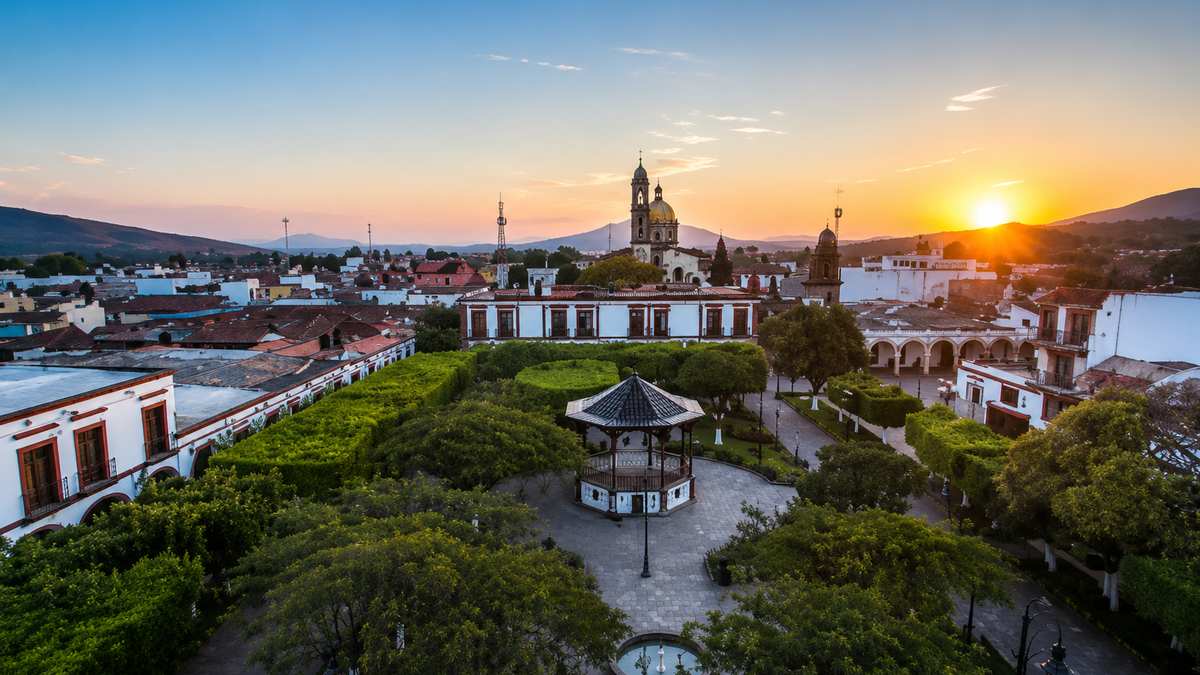
PUEBLO MAGICO
Jiquilpan is tied to ancestral-style mezcal, with underground ovens, volcanic stone, and clay-pot distillation (ollas de barro). The area is known for Manso de Sahuayo, locally called Cenizo, a maguey shaped by dry climate and volcanic soils into a sweeter, herbal profile. It sits near the Jalisco border, close to tequila country.
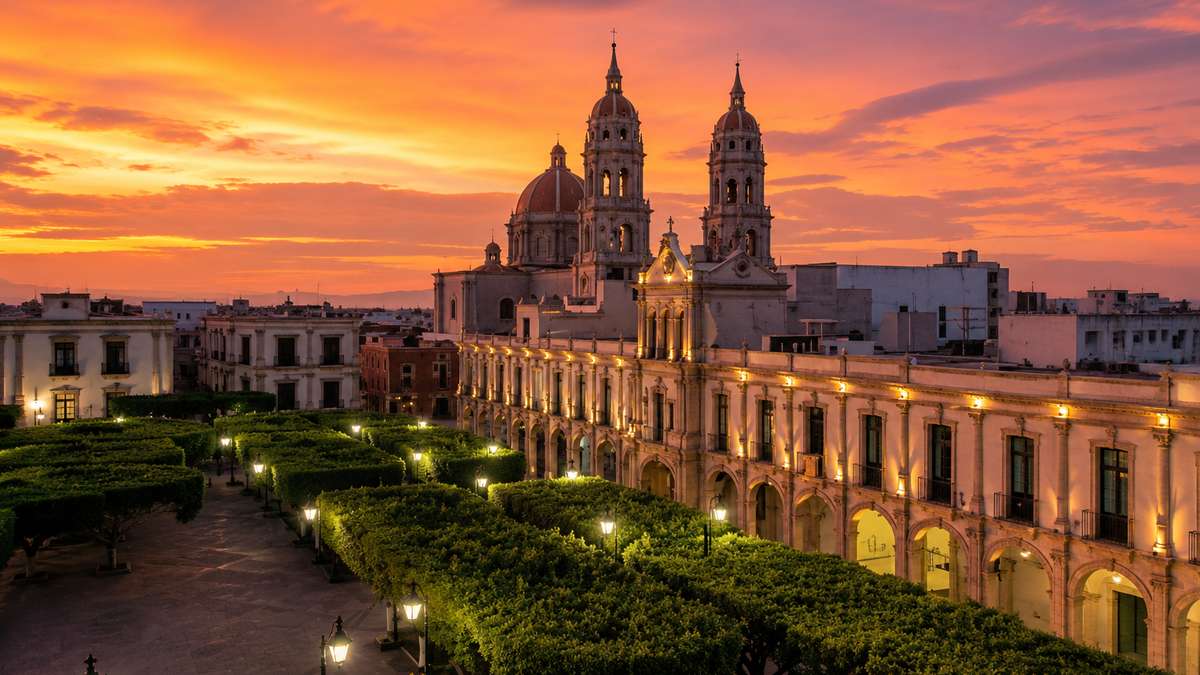
CUNA ANCESTRAL
Sahuayo is the source of Manso de Sahuayo, a local maguey known for its ash-gray leaves; cenizo means ash-gray. Its terroir gives the spirit a creamy sweetness with notes of almond and light caramel, balanced by subtle herbal acidity, citrus peel and measured smoke.
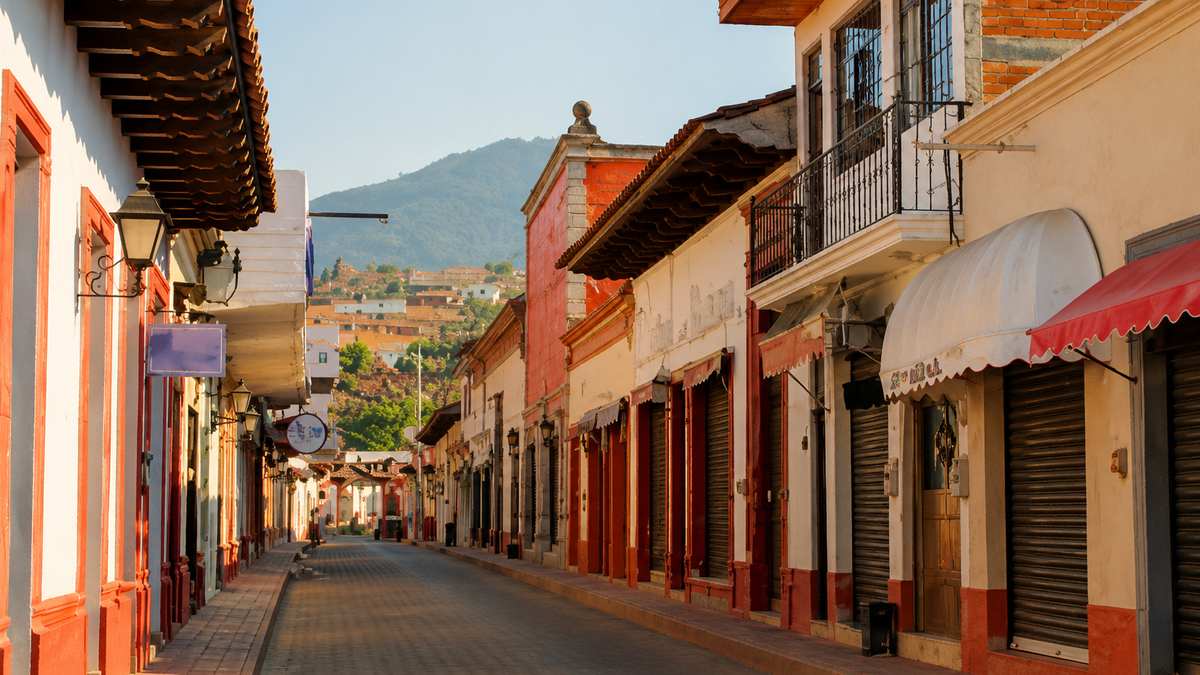
High-altitude bruto
Sierras de Cotija is a rugged mountain region known for wild agaves, including Agave cupreata (Maguey Chino) and Agave inaequidens (Maguey Alto). Cool mountain conditions can slow fermentation, giving local mezcal a mineral, lightly acidic profile. The area is also linked to Ruta del Mezcal y Queso Cotija, where smoky mezcal is paired with the region’s salty, award-winning mountain cheese.
The Ruta del Mezcal Michoacano is an official agro-tourism initiative promoted by the Michoacán Ministry of Tourism, SECTUR, to showcase the state’s mezcal culture. Formalized after the 2012 Denominación de Origen expansion, the route connects visitors with traditional family vinatas, from mature agave harvesting to spirits served straight from the still.
Michoacán’s mezcal trail is split into two main circuits:
The route also links mezcal with outdoor travel. In Etúcuaro, vinata visits can be paired with canyon ziplining, suspension bridges and natural springs, making the route as much about Michoacán’s mountain landscape as its distillates.
Michoacán’s mezcal identity relies heavily on unique wild and semi-cultivated agaves. While Espadín rules Oaxaca, Michoacán's signature profiles are driven by Agave cupreata and Agave inaequidens, which together make up the vast majority of its regional production.
In Michoacán, agave names often come straight from the field. Cupreata is called chino for its curled, wavy leaf edges. Inaequidens can be called alto for the plant’s height, or bruto for its harsh sap, which can burn bare skin during harvest.
Manso de Sahuayo is also called cenizo, after the plant’s ash-gray leaves.
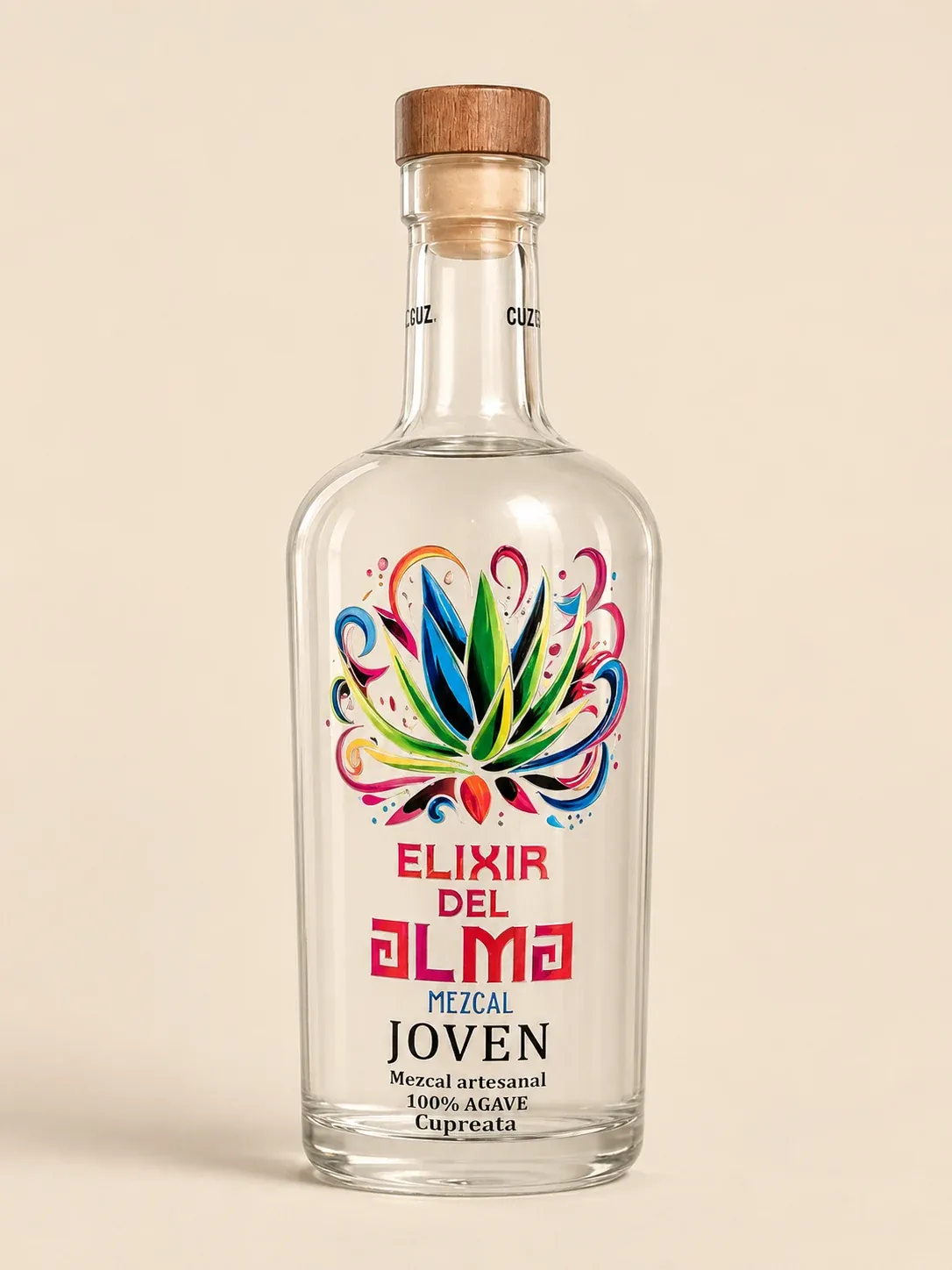
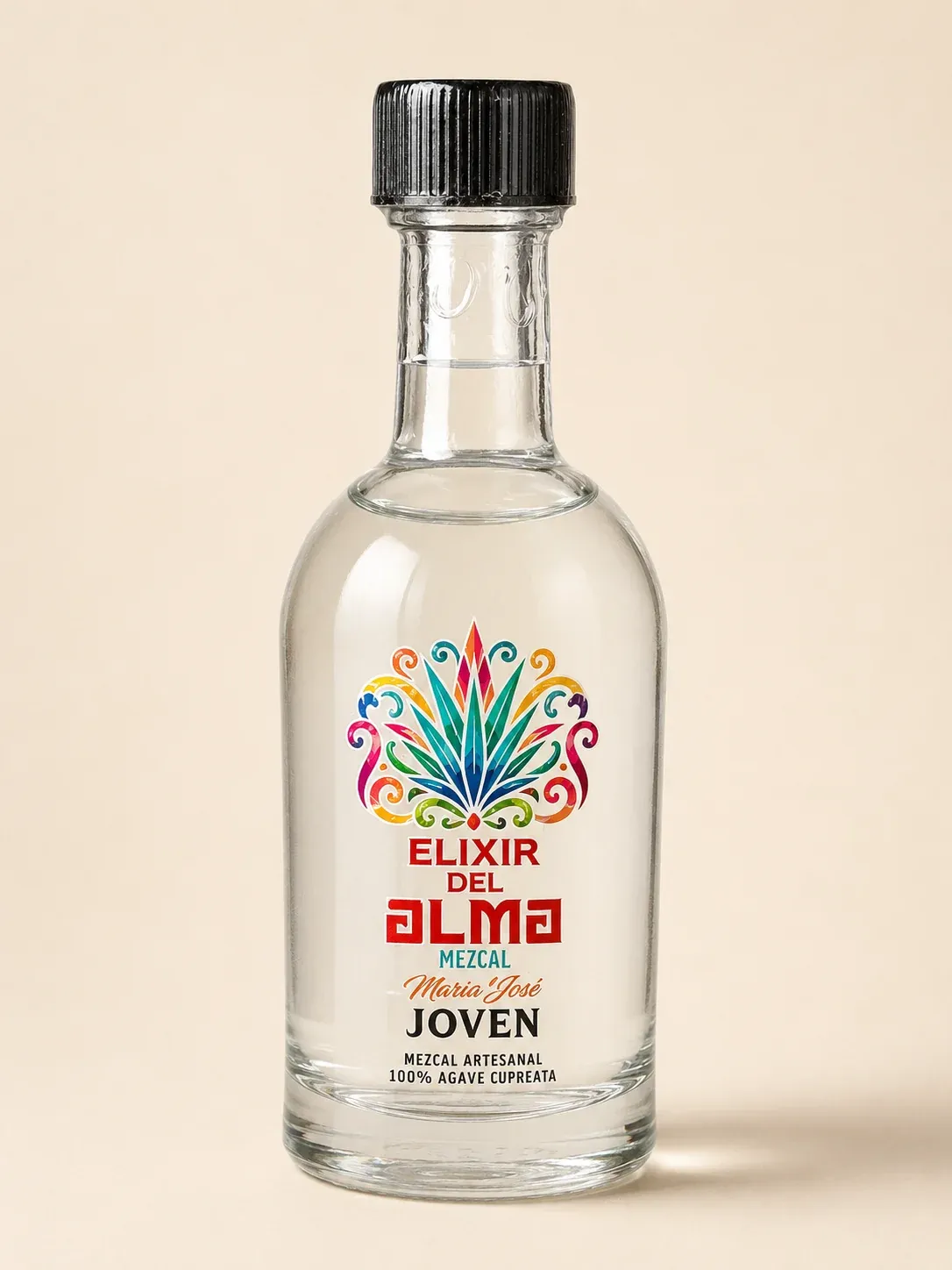
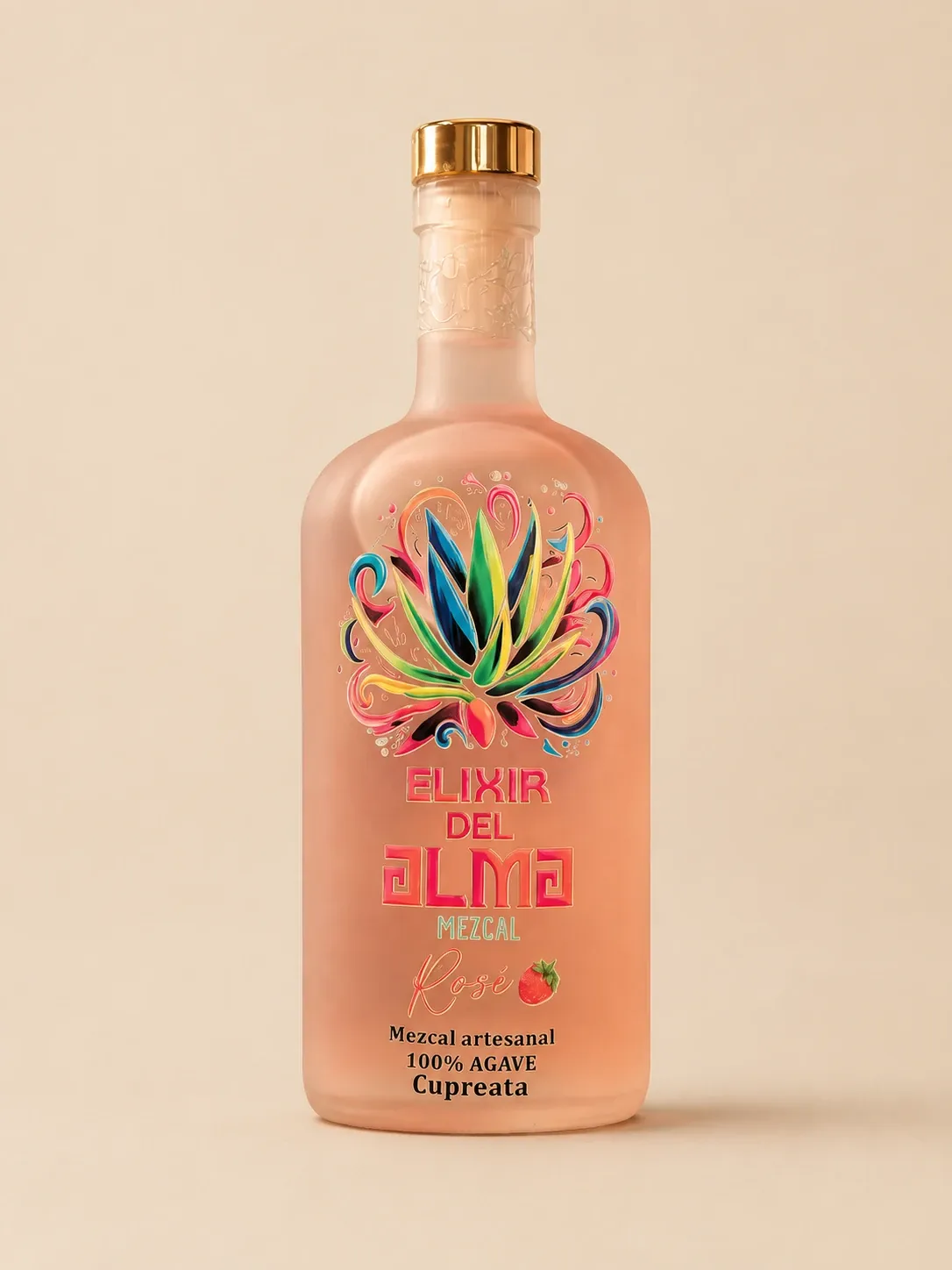
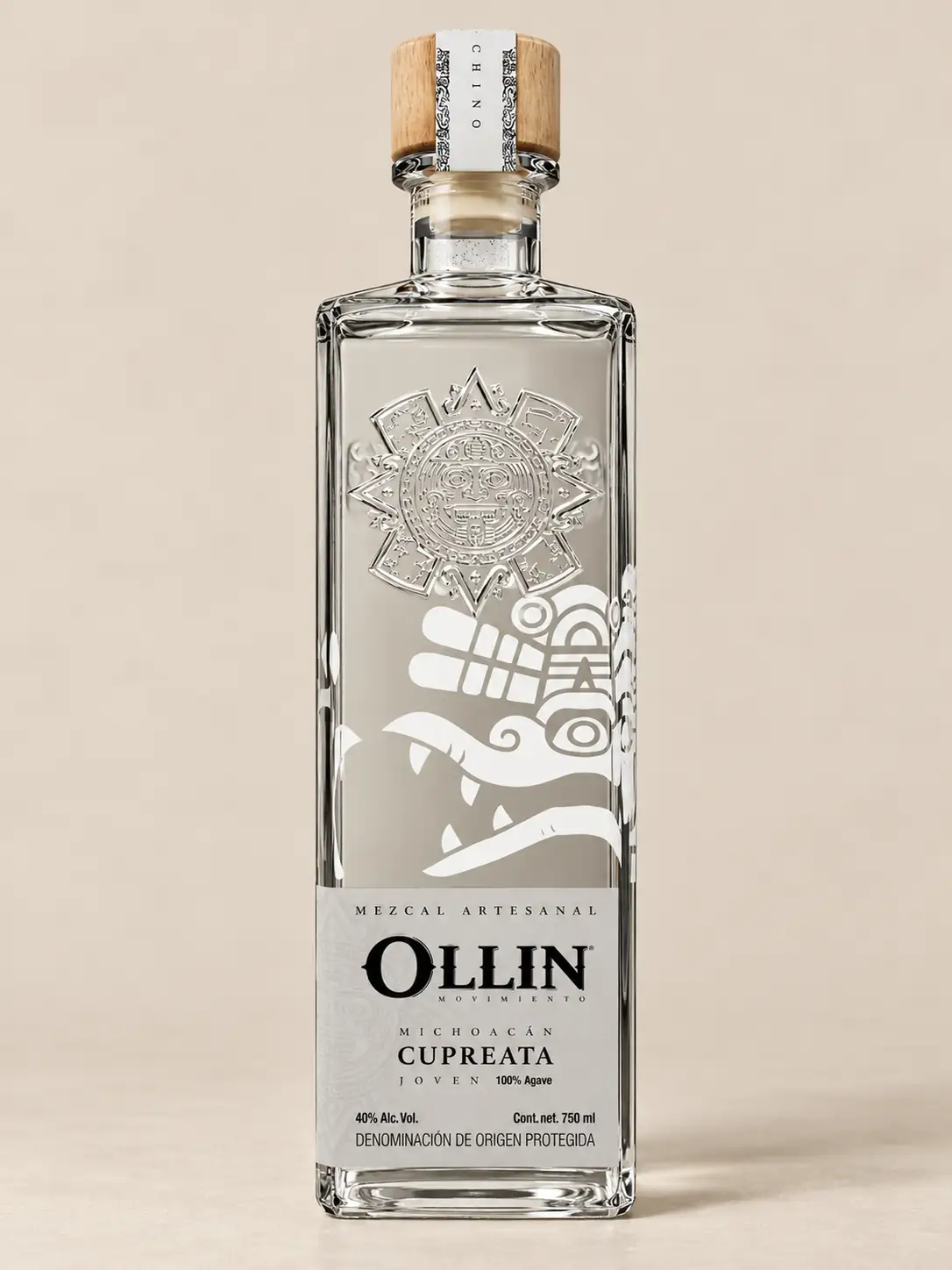
Agave cupreata is Maguey Chino in Michoacán, named for the plant’s curled, wavy leaf edges. In the glass, it usually gives the friendliest side of the state’s mezcal: ripe fruit, baked agave, white flowers and a soft texture that keeps the smoke from taking over.
Agave inaequidens appears as Maguey Alto and Bruto. Alto points to the plant’s height, while Bruto refers to its harsh sap. The mezcal is usually drier and more rustic than cupreata, with mineral, pine, wet earth, green pepper, and lactic notes that can recall aged cheese or crème fraîche.
Manso de Sahuayo is also called Cenizo because of its ash-gray leaves. In western Michoacán, it gives a fuller, nutty mezcal with almond, light caramel, citrus peel, fresh herbs, and a gentle smoke.
Michoacán mezcal changes from one vinata to another. In Villa Madero, cupreata can spend five days in an earth oven before it is milled by machine or by hand, fermented in oak vats, and distilled in a copper-and-wood Filipino still.
In the western highlands around Cotija, the process can look much older. Wild agaves may be cooked in stone-lined earth pits, crushed with wooden mallets, fermented in ground tanks, and distilled in clay pots.
Most certified Michoacán mezcal falls under the Mezcal Artesanal category. Earth ovens, mechanical or tahona crushing, open-wood fermentation, and Filipino-style stills all fall under that production style.
Mezcal Ancestral is smaller and stricter. In places such as Jiquilpan and the Sierras de Cotija, that can mean hand-crushing, stone- or ground-fermentation, and clay-pot distillation (ollas de barro).
Flavor drivers
In Michoacán, mezcal flavor varies with the agave type, the landscape in which it grows, and the production method.
Cupreata usually offers the softer side of Michoacán mezcal, with notes of baked agave, ripe fruit, and white flowers. Inaequidens is more rugged, often showing pine, wet earth, minerals, green pepper, and lactic notes.
Agave is cooked below ground in pits lined with stone. The long roast builds cooked agave, smoke, caramelized sugar, and the darker earthy base found in many Michoacán mezcals.
Michoacán is a messy mezcal state in the best way. One area can be a pine forest and volcanic soil, another a dry valley with much warmer air. That shift in altitude and climate is part of why the state’s mezcals can move from green and herbal to sweeter, earthier and more mineral.
Cooked maguey in Michoacán is fermented in oak vats or sunken ground tanks. Up in the mountains, the ferment moves more slowly, which can give the mezcal more body, sharper acidity and lactic notes of cream, yogurt or aged cheese.
A Michoacán Filipino still is built with a copper pot below and a hollowed pine trunk above. In the west, some ancestral producers still distill in clay pots.
Unlike Oaxaca’s Espadín, Michoacán’s Agave cupreata reproduces strictly by seed. For mezcal, the plant is usually harvested before it flowers, which means it never sends up its quiote and never produces the seed needed for natural regeneration. That makes wild cupreata especially vulnerable to overharvesting, and the species is listed as Endangered by the IUCN (International Union for Conservation of Nature).
The pit oven creates another problem. Roasting agave takes heavy loads of local oak and pine, often from the same mountain watersheds and central pine forests around the vinatas. When production rises, those forests take the hit.
Vinazas are left behind after distillation, often in a volume much larger than the mezcal itself. For every liter of mezcal, a vinata can yield roughly 10–12 liters of this sour waste liquid, often around pH 3–4 and loaded with cooked agave residue.
Poured into a ditch or stream, vinazas feed bacteria that strip oxygen from the water. Fish die first, then the riverbed goes dead. In mountain vinatas, that runoff can move straight toward soil, springs, wells, and communities downstream
EXPLORE THE COLLECTION
10 bottles in our database