
ALTIPLANO MEZCAL REGION
San Luis Potosí
Original DOMAgave SalmianaAltiplano
THE REGION
About San Luis Potosí
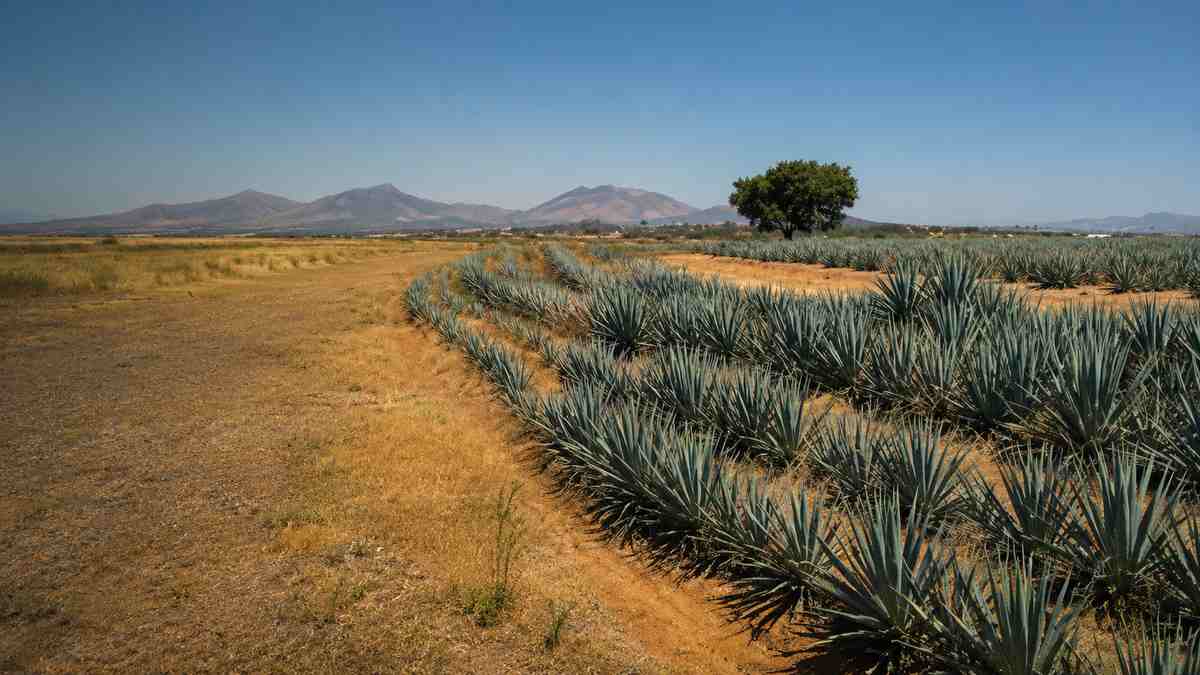
San Luis Potosí was part of mezcal’s original 1994 Denomination of Origin. The state is closely tied to the Altiplano and Agave salmiana, a large pulque maguey used for bright, herbal, mineral mezcals with very low smoke.
- DOM Since
- 1994
- Terrain
- Altiplano, semi-desert, dry steppe, high plains, limestone and mineral soils
- Regional Style
- Herbal, mineral, bright, green, floral, low-smoke
- Known For
- Original DOM status, Agave salmiana, Altiplano mezcal, herbaceous low-smoke profiles
- Main Agaves
- Salmiana
- Production Towns
- San Luis PotosíBocas
San Luis Potosí as a Mezcal Region
San Luis Potosí was part of mezcal’s original 1994 Denomination of Origin. Much of the mezcal region's history belongs to the Altiplano, the dry highland plateau north of the state capital.
Old haciendas and tabernas shaped production here, supplying mining towns and rural communities. The state’s mezcal history is tied to large estates as much as small rural stills.
Agave salmiana, often called maguey verde, is the key plant. It is a giant pulque agave that can spend 12–25 years in the field before harvest.
In the glass, Salmiana often reads green and herbal, with notes of cut grass, green pepper, jalapeño, eucalyptus, and wet minerals. Smoke usually stays low.
In Mexquitic de Carmona, a few families still make mezcal de campanilla with clay vessels and internal collection bowls. The spirit drips inside the still with a small bell-like sound.
Laguna Seca in Bocas and Júrame at Estación Ipiña are historic hacienda producers tied to San Luis Potosí’s Altiplano mezcal route.
EXPLORE THE COLLECTION
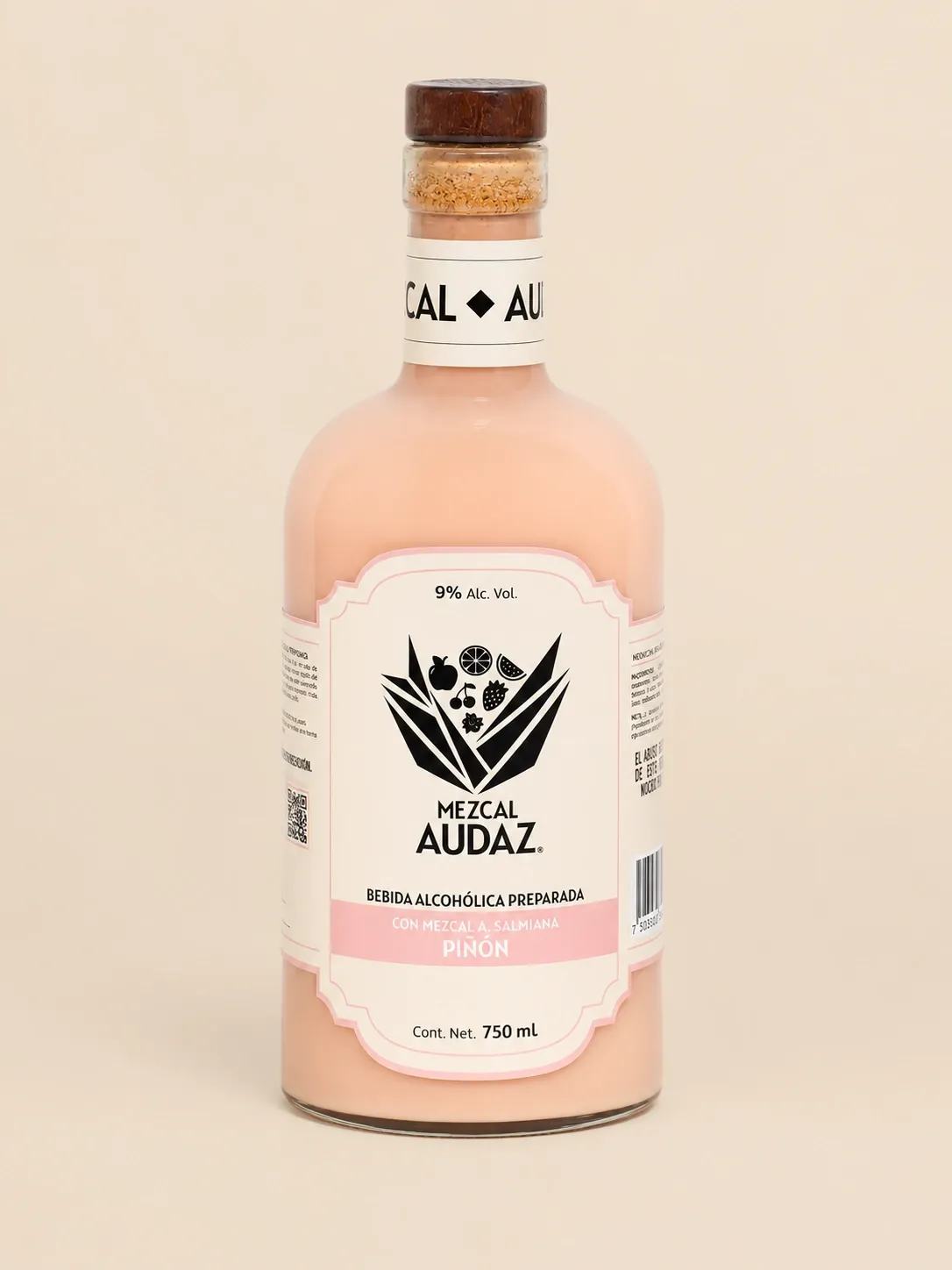
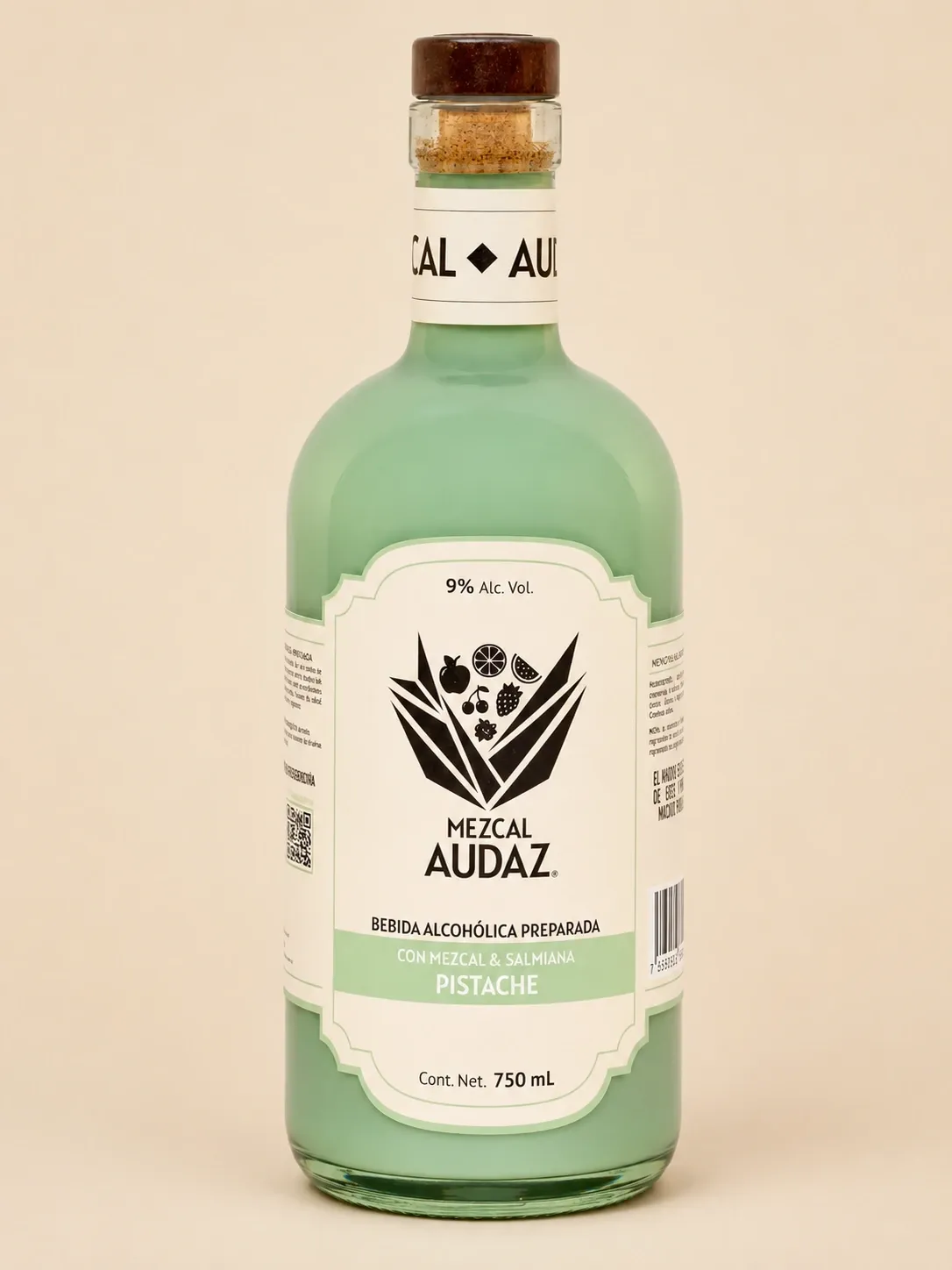
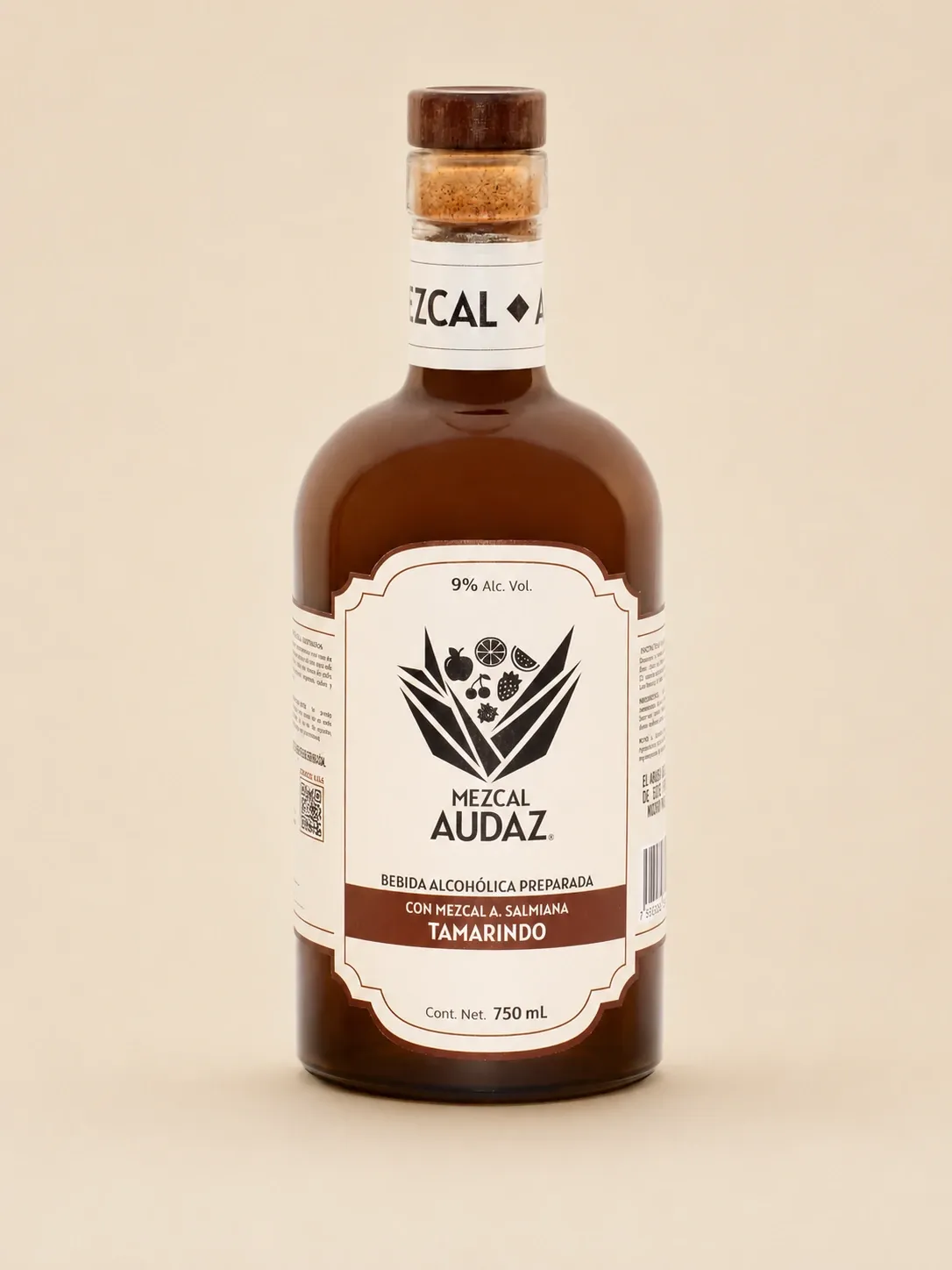
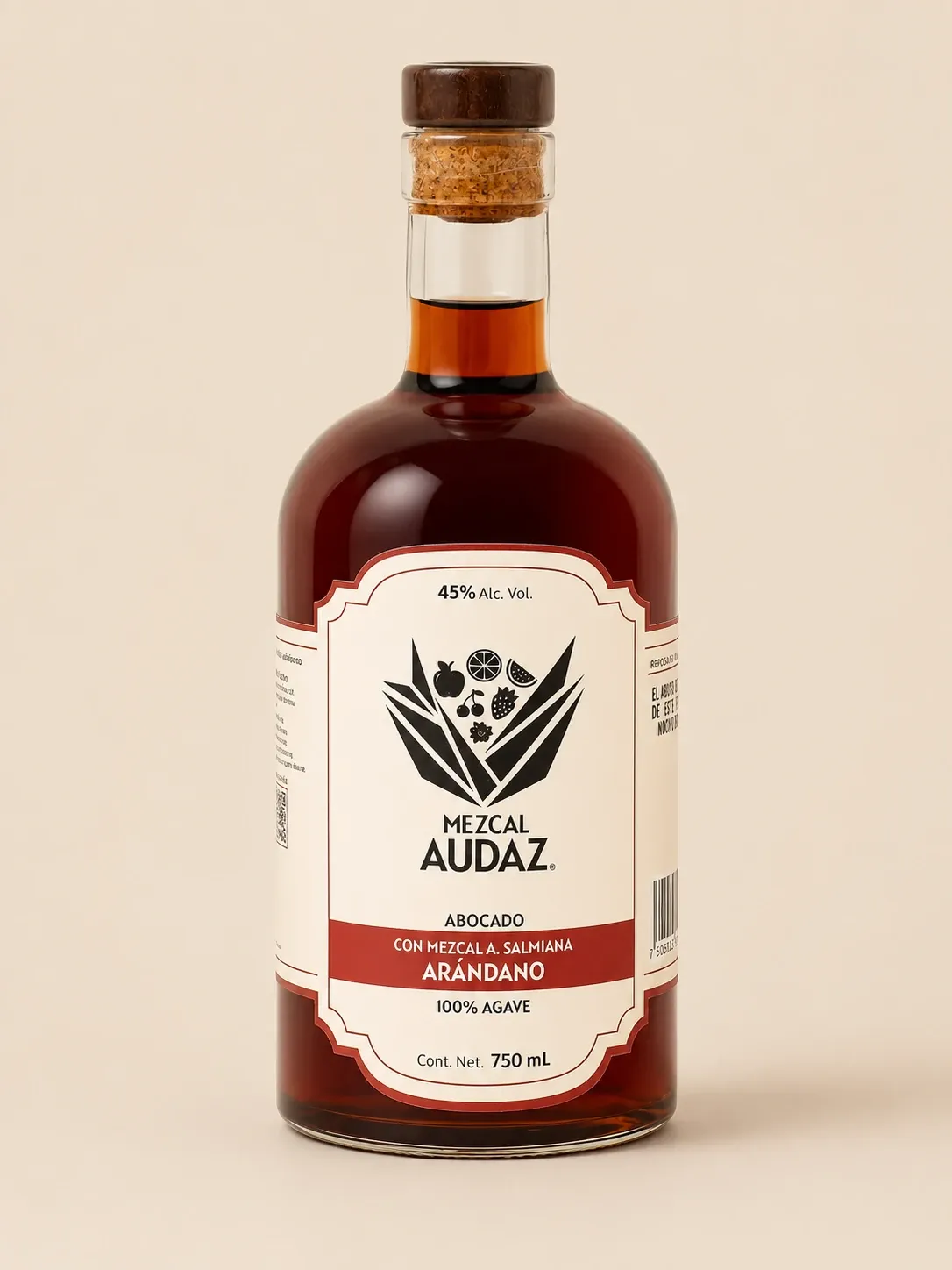
Mezcals From San Luis Potosí
11 bottles in our database
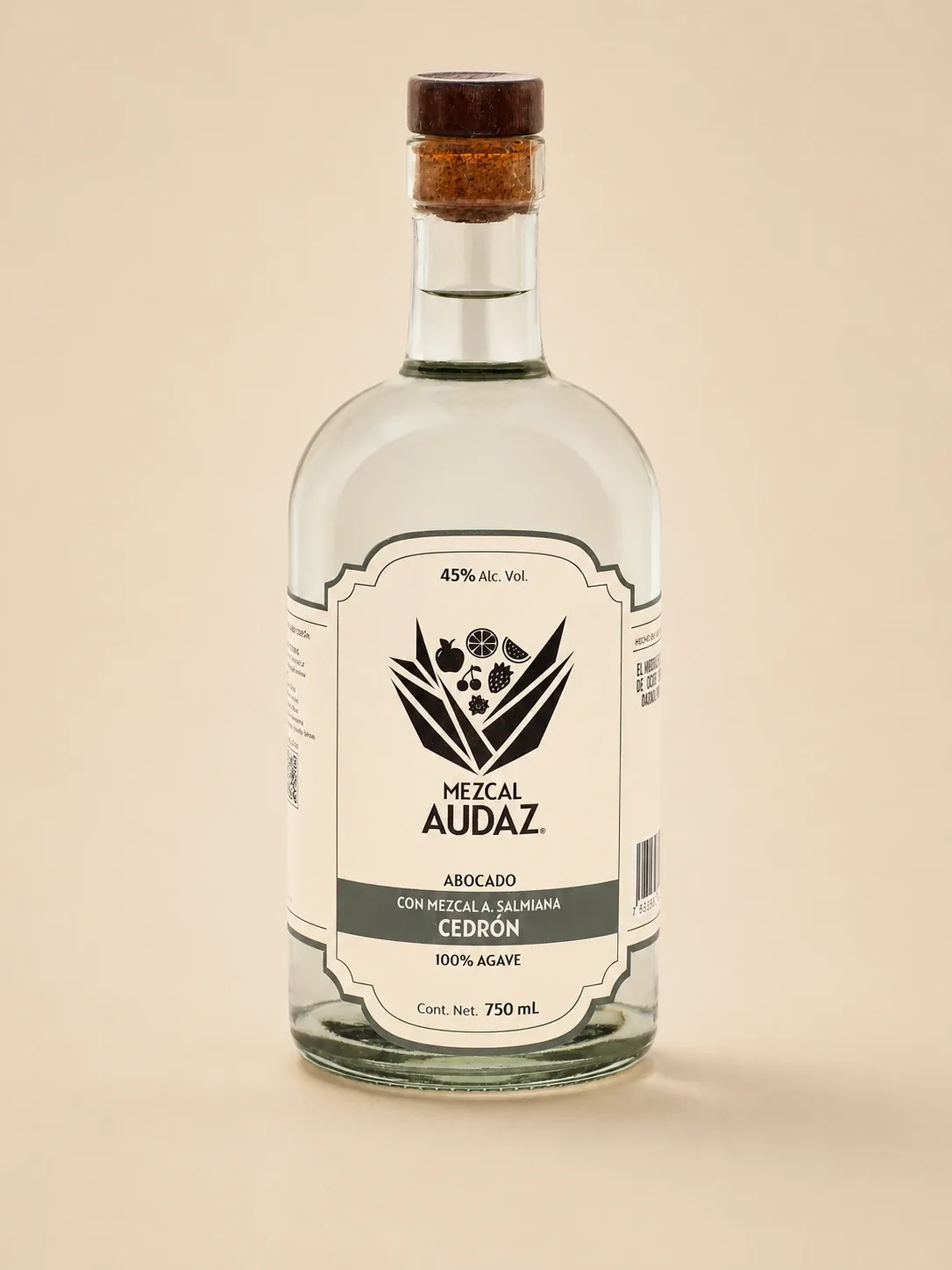
Showing 8 of 11