
Mezcal Basics
What Is Mezcal?
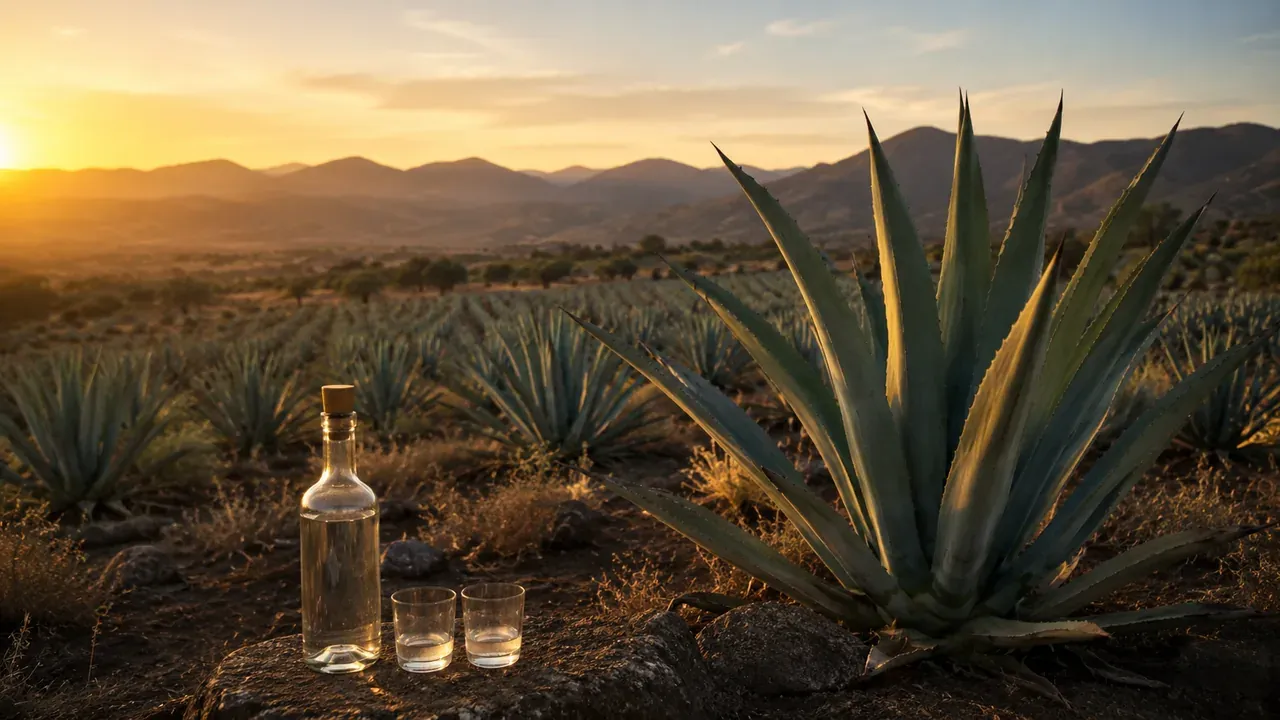
Mezcal is a Mexican agave spirit shaped by plant, place and method, from small rural production to bottles known around the world.
Mezcal Explained
Mezcal is a Mexican spirit distilled from agave. In Mexico, the name is protected under a denomination of origin that covers 12 states, tying mezcal to a defined production and geographic framework. Today, mezcal runs from small rural production to larger commercial brands, but the foundation stays the same. It begins with agave, but its character is shaped by place, production, and tradition.
Mezcal in Simple terms
Mezcal is best understood as a broad family of Mexican agave spirits, not as one single style. Some bottles are smoky, others are bright, earthy, fruity, mineral, herbal, or dry. The word mezcal tells you the spirit comes from agave, but it does not tell you exactly how it will taste.
That range is part of what makes mezcal different from more tightly defined spirits. The agave, the region, and the production method all shape what ends up in the glass. A bottle from Oaxaca made with Espadín will not automatically taste like one from Durango, Puebla, or San Luis Potosí.
Mezcal is built around agave, place, and method. Once you understand those three parts, the labels, flavors, and differences between bottles become much easier to read.

Mezcal Is Made From Agave
Mezcal is made from agave, the broad plant family often called maguey in Mexico. Each species carries its own weight, texture, sweetness and aromatic range into the finished spirit.
There is no single agave behind all mezcal. Espadín may be the best-known name, but the wider world of mezcal reflects Mexico’s agave diversity, with many cultivated, semi-wild and wild agaves used across the spirit.
A dense, slow-maturing agave can give the spirit more weight and structure than a faster-growing cultivated agave, even before cooking, fermentation or distillation begin.

How Mezcal Is Made
Mezcal starts with harvested agave. The piñas are cooked, crushed, fermented, and distilled. That sequence is the backbone of mezcal production, even though the exact tools and methods can change from one bottle to another.
Oven type, milling method, fermentation vessel, and still setup all shape the final spirit. Some producers work with earthen pits, others with masonry ovens. Some crush by tahona, others by hand or machine. Fermentation and distillation also vary by producer and region.
Is Mezcal made from the same plant as Tequila?
Both are made from agave, but not in the same way. Tequila is tied to blue agave, while mezcal is not limited to one single species. That difference sits at the center of mezcal vs tequila.
Where Does Mezcal Comes From?
Mezcal is tied to place as well as agave. Under the denomination of origin, it is connected to 12 Mexican states, but geography matters beyond the legal map. Altitude, soil, climate, local agaves and family methods all affect how mezcal develops.
A mezcal made in a dry, rocky, high-altitude landscape often starts with agave that grows slowly and develops more concentration. That can show up as firmer structure, mineral notes or a drier finish, while agave from softer, more humid conditions may lean rounder, greener or fruitier.
What Does Mezcal Taste Like?
Mezcal can taste smoky, but smoke is only one part of the range. Many bottles move toward cooked agave, herbs, citrus, tropical fruit, earth, minerals, pepper, flowers, clay, roasted sweetness or dry spice. The flavor depends on the plant, the place and the way it is made.
A young Espadín can feel clean, bright and lightly roasted, while a slow-maturing wild agave such as Tepeztate may bring more density, bitterness or mineral grip. Some mezcals are soft and fruity, others are sharp, savory or earthy. The point is not to search for one “mezcal taste”, but to read the bottle through its agave, region and method.
Is Mezcal always smoky?
No. Mezcal can be smoky, but smoke is not the whole identity of the drink. Roasting agave can create smoky notes, especially when earthen pits are used, but the final flavor also depends on the agave, region, fermentation, distillation and producer.
Better mezcal tasting starts when smoke is treated as one layer. In many bottles, the more interesting parts are texture, cooked agave, minerality, herbs, fruit, acidity or dryness.
Is mezcal always made from the same agave?
No. Mezcal is made from agave, but the spirit is not tied to one single species across every bottle.
Is mezcal made from blue agave?
It can be, but mezcal is not defined by blue agave in the way tequila is. Mezcal can be made from many agave species, while tequila is tied to blue agave.
Does the agave species change how mezcal tastes?
Yes. The agave species shapes the spirit at the raw-material level. Mexico’s agave diversity is one reason mezcal can move from bright and herbal to earthy, mineral, sweet or dry.
Is mezcal made from cactus?
No. Mezcal is made from agave. Agave is its own plant group, not a cactus.
What does joven mean in mezcal?
Joven means the mezcal is bottled without extended aging in wood. Reposado and añejo show that the mezcal has spent time in wood.