
Mexican Agave Spirits
Casa Mexia
A Mexican spirits house with artisanal mezcal from Guerrero and Oaxaca, built around Cupreata, Espadín and ready-to-drink mezcal cocktails.
Agave Cupreata / PapaloteEspadínMezcal Cocktails
THE BRAND
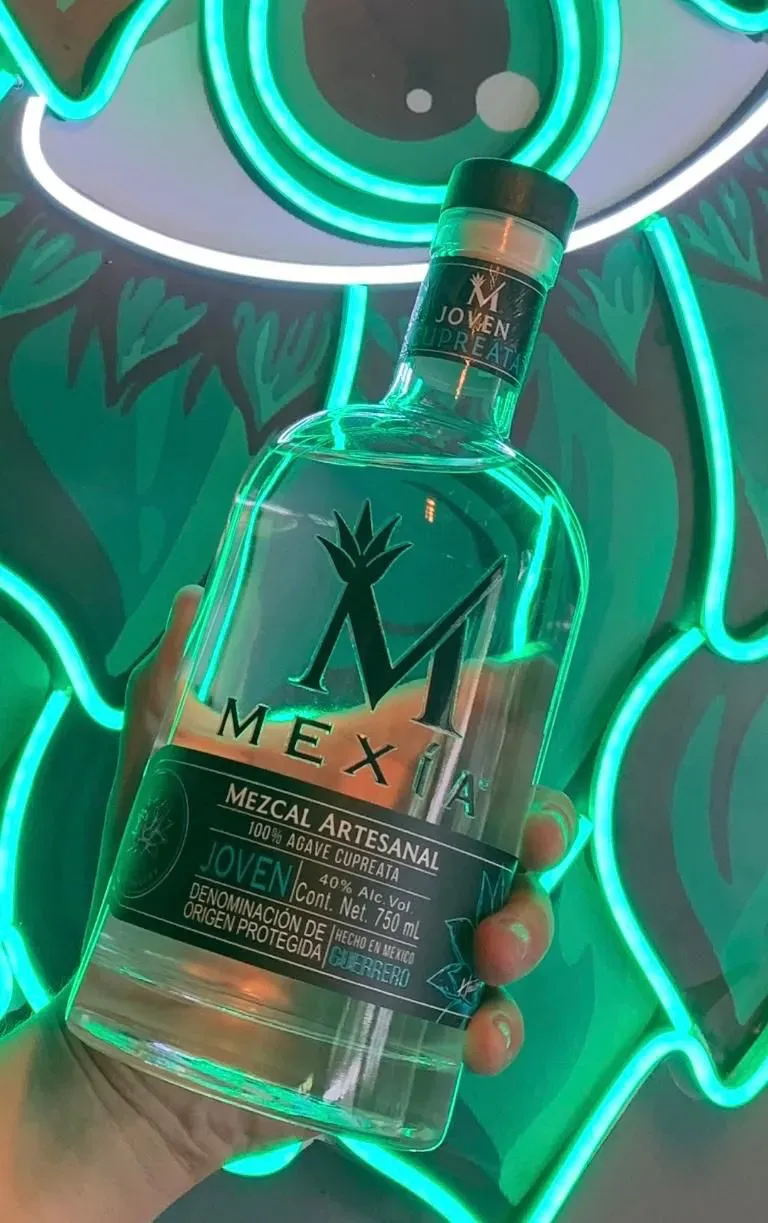
About Casa Mexia Mezcal
EXPLORE THE COLLECTION
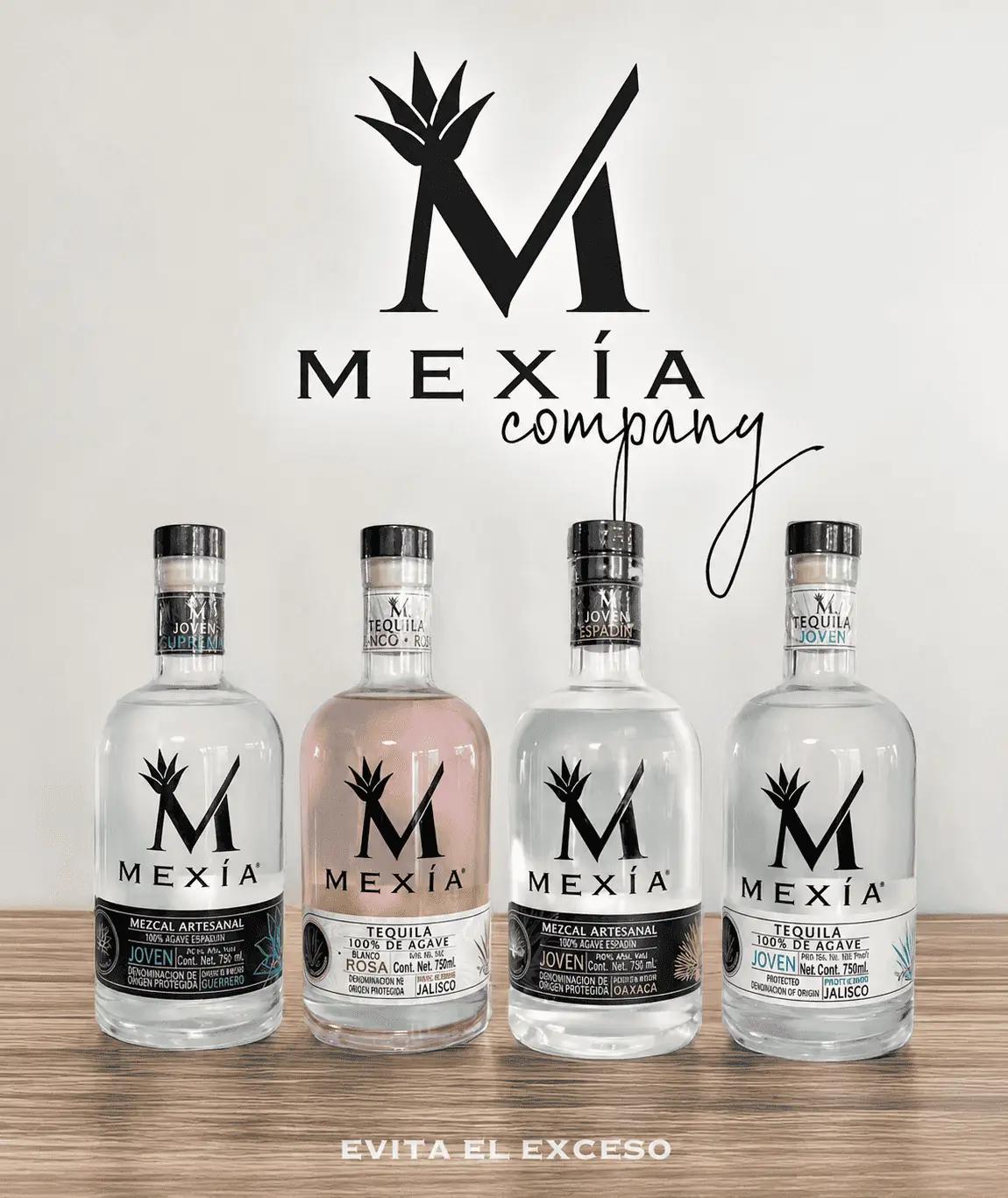
Bottle Lineup
The story behind Casa Mexia
Casa Mexia was founded in 2020, after its early mezcal and tequila releases gained strong interest. The brand grew from Mexican agave spirits first, then moved into newer formats built around the same drinking culture.
The founder is a mixologist with nine years of experience in the drinks sector. Casa Mexia carries that background into a range that now includes mezcal, tequila and Mexia Mixology, a canned cocktail line made with 100% agave mezcal and natural fruit pulp.
The mezcal line is produced with maestros mezcaleros and producers whose knowledge has passed through generations. The process stays close to traditional mezcal work, with manual jima, underground conical ovens, tahona or machacado, natural fermentation and careful distillation.
Casa Mexia is now developing beyond its original bottles, with cream-based releases and beer also planned. The range is growing, but agave remains the center of the brand.

Ready-to-drink
Mexia Mixology
Casa Mexia also works with ready-to-drink mezcal cocktails made with 100% agave mezcal and natural fruit pulp. The cans carry a certification hologram from the Consejo Regulador del Mezcal, placing the line inside the brand’s mezcal-based range rather than outside it.
The current flavours are Maracuyá, Tamarindo, Margarita Limón and Granada/Naranja. They give Casa Mexia a lighter format, built for chilled serves and easier access to mezcal cocktails without preparing each drink from scratch.
How Casa Mexia mezcal is made
Casa Mexia’s mezcal production follows a traditional process built around mature agave, underground cooking, artisanal crushing, natural fermentation, and careful distillation. The details vary between Cupreata from Guerrero and Espadín from Oaxaca, but the foundation stays close to rural mezcal practice.
- Harvest: Mature agave is selected at the right point of ripeness, when the piña has built enough sugar for production. The leaves are cut away by hand during the jima, using traditional tools such as a coa and machete.
- Cooking: The piñas are cooked in conical earth ovens lined with volcanic stone or river stone. The ovens are heated with firewood, then covered with bagasse, petates, leaves, and earth, allowing the agave to cook slowly and develop roasted depth.
- Resting: After cooking, the agave can rest for several hours or days before crushing. This helps the cooked piñas settle and develop deeper aromas before the juices and fibers are extracted.
- Crushing: Casa Mexia’s process includes traditional crushing methods such as tahona and machacado. Tahona uses a large stone wheel to break down cooked agave, while machacado relies on hand-crushing with wooden mallets, a method still used in parts of Guerrero.
- Fermentation: The crushed agave, fibers, and juices are fermented naturally with wild yeasts from the surrounding environment. Fermentation can take several days and is one of the stages where much of the mezcal’s aroma and character develop.
- Distillation: The fermented agave is distilled in copper stills or clay pots, with double distillation used to refine the spirit and concentrate its aromatic profile. The maestro mezcalero controls the cuts, temperature, and timing throughout the process.
- Resting and bottling: Before bottling, the mezcal may rest in glass to allow the spirit to settle without taking on wood influence. Traditional quality checks include observing the perlas, the small bubbles that form when mezcal is poured.
From Guerrero to Oaxaca
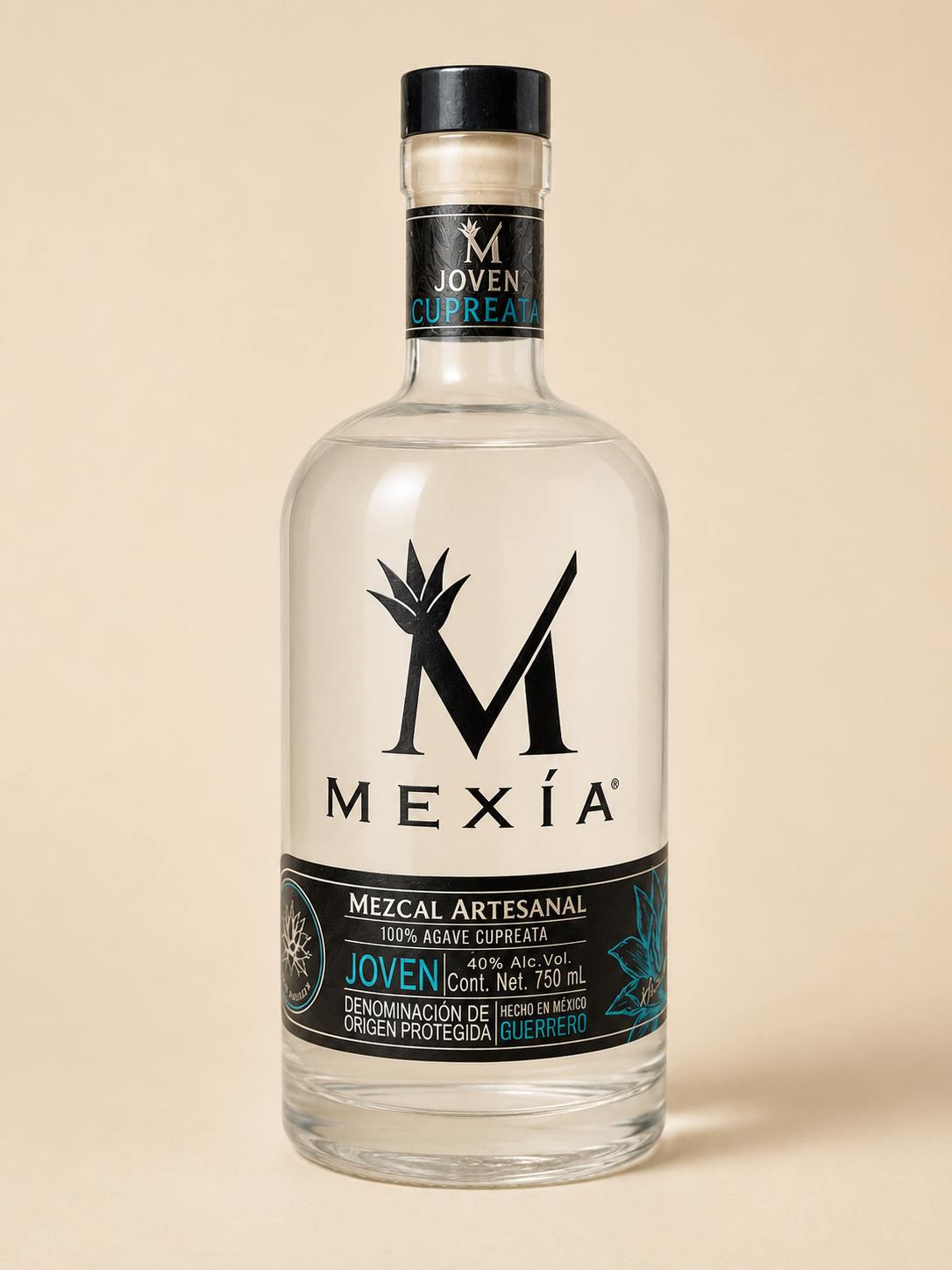
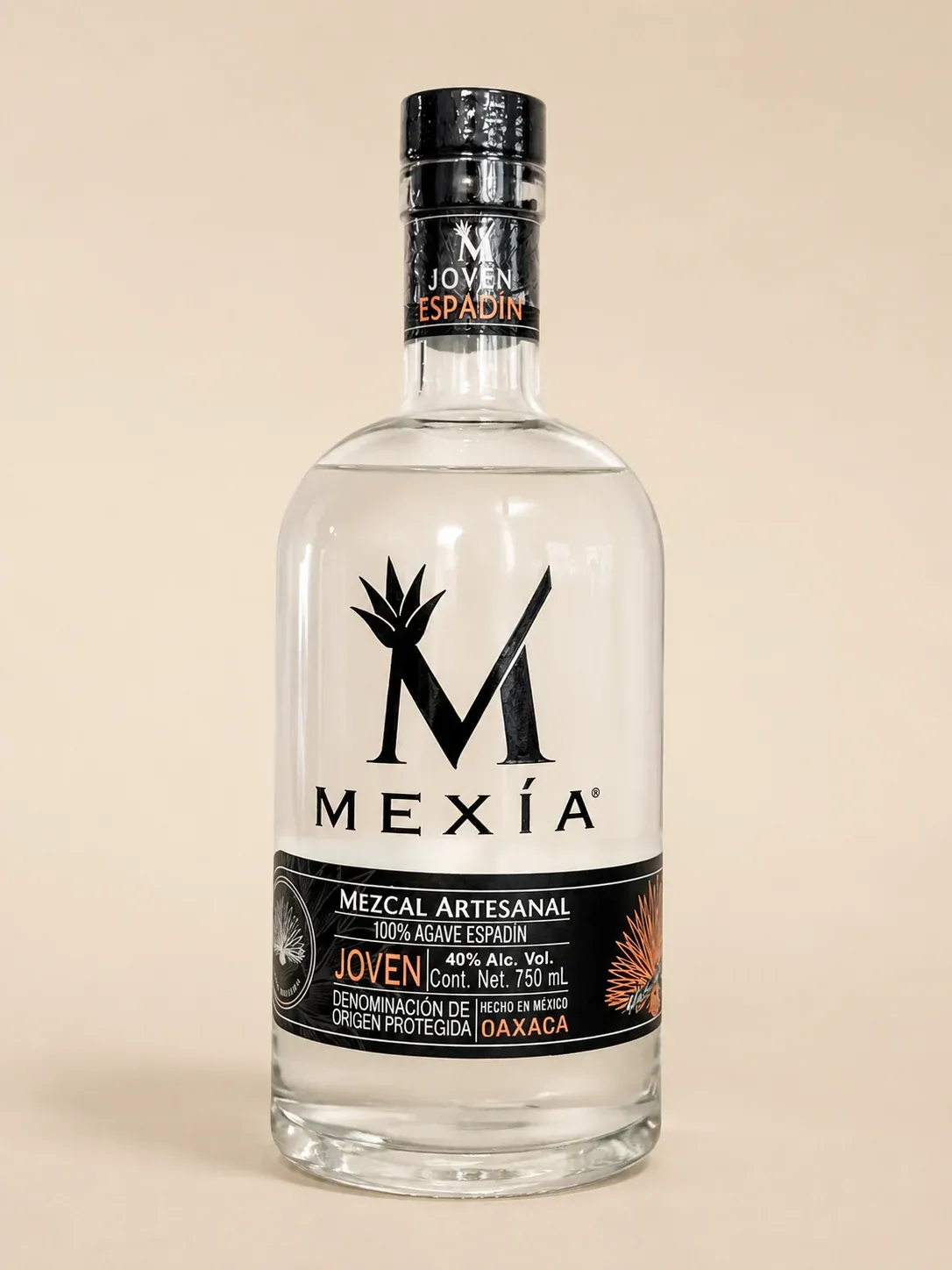
Casa Mexia’s mezcal line is built around two joven expressions from different regions. The Cupreata Joven comes from Guerrero and uses cupreata, also known as maguey papalote, while the Espadín Joven comes from Oaxaca and uses Agave angustifolia.
The contrast starts with the agave itself. Cupreata can take 10 to 18 years to mature, depending on climate and terrain, while Espadín usually reaches maturity in around 6 to 10 years.
Cupreata / Papalote from Guerrero
Casa Mexia’s Cupreata Joven carries the more forceful side of the range. Cupreata is tied to the mountains and sierras of Guerrero, where production is limited, and much of the agave grows wild or semi-cultivated.
The profile moves through herbal depth, earthy notes, cacao, fermented coffee, ripe fruit, and elegant smoke. It gives the Guerrero bottle a deeper, more structured character than the Espadín, with a stronger sense of wild agave and regional weight.
Espadín from Oaxaca
Casa Mexia’s Espadín Joven comes from Oaxaca and is made from Agave angustifolia, the most widely produced agave in mezcal. It gives the lineup a fresher and more approachable side, with a shorter maturation cycle and a profile built around balance.
The Oaxaca expression brings together sweetness, herbal notes, and smoke. Compared with the Cupreata, it reads cleaner and more direct, making it the easier entry point into Casa Mexia’s mezcal lineup.
Also from Casa Mexia
Beyond Mezcal
Casa Mexia also works beyond mezcal, with tequila expressions from Jalisco under the same agave spirits identity. The range includes both a clear Blanco and a pale Rosa expression.
Tequila Rosa
A 100% agave tequila from Jalisco, aged in red wine barrels and bottled with its soft rosa tone.
Tequila Blanco
A clear 100% agave tequila from Jalisco, kept bright and direct within Casa Mexia’s wider spirits range.