
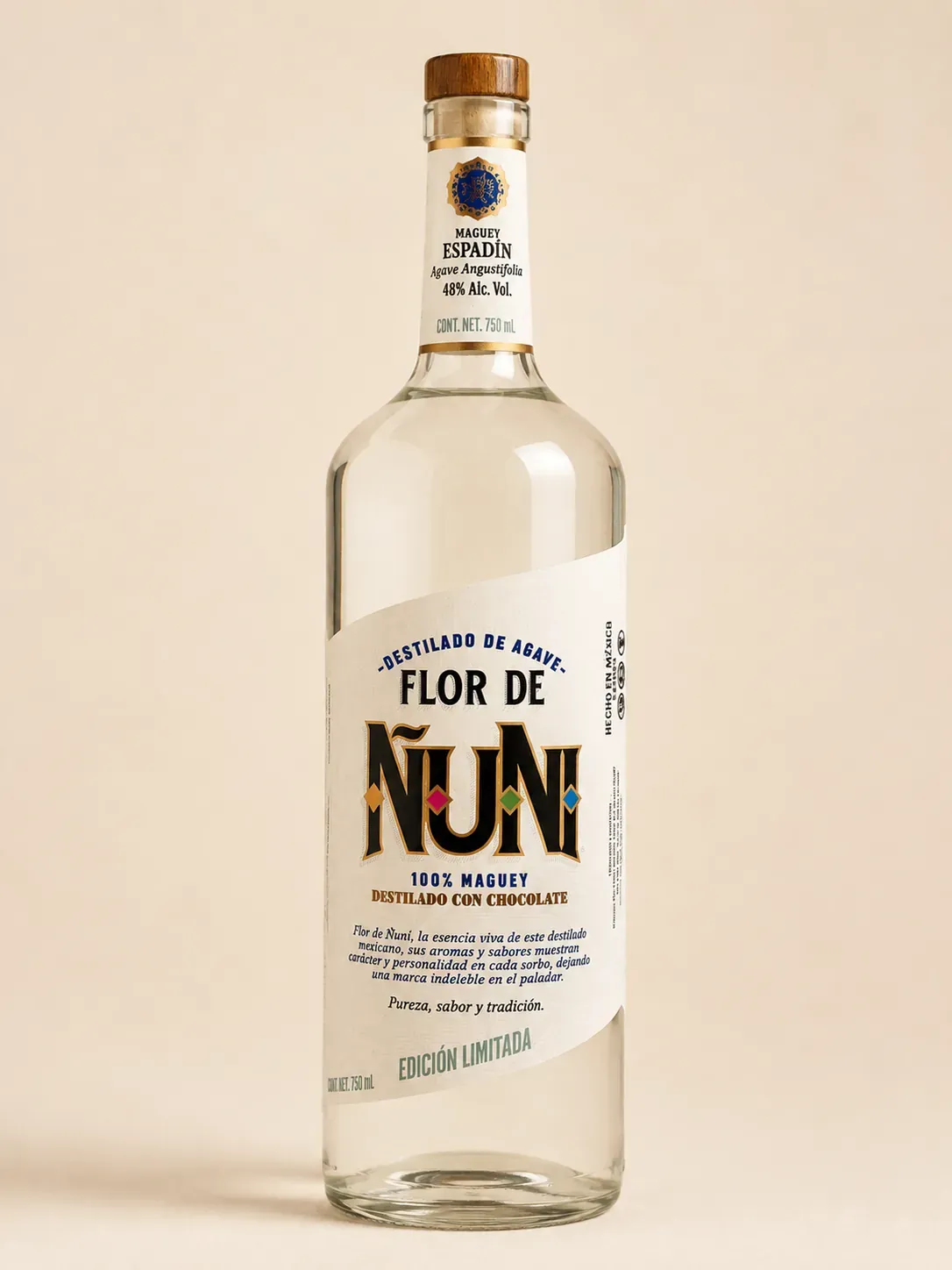
A Tribute to the Agave’s Final Bloom
Flor de Ñuni
Flor de Ñuni builds its range around high-proof joven mezcals, from Espadín to wild Tobalá, Tepeztate and Mexicanito, made in San Pedro Quiatoni.
25-30 Year Tepeztate49-50% ABV ReleasesSmall-Batch Limited Editions
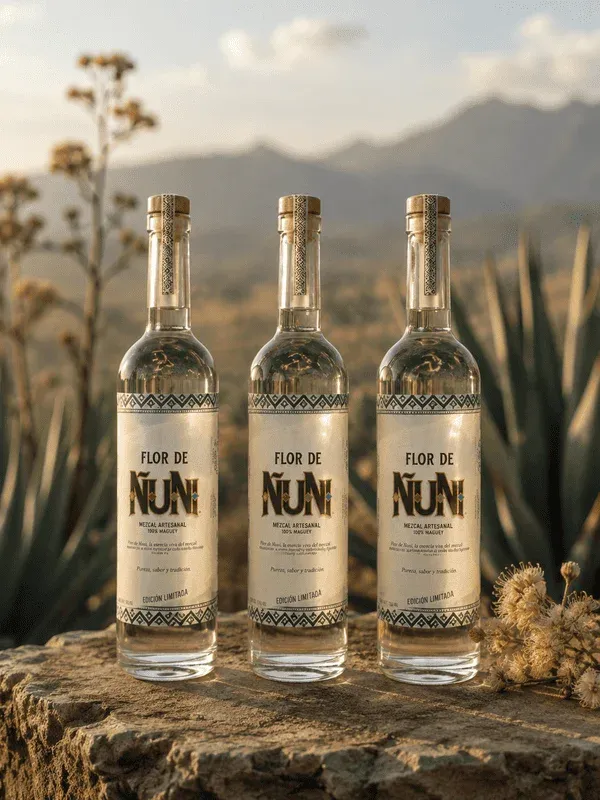
THE BRAND
About Flor de Ñuni
Region
Town
San Pedro Quiatoni
Founder
José Luis G. Cortez
Mezcaleros
Founded
2021
Website
EXPLORE THE COLLECTION
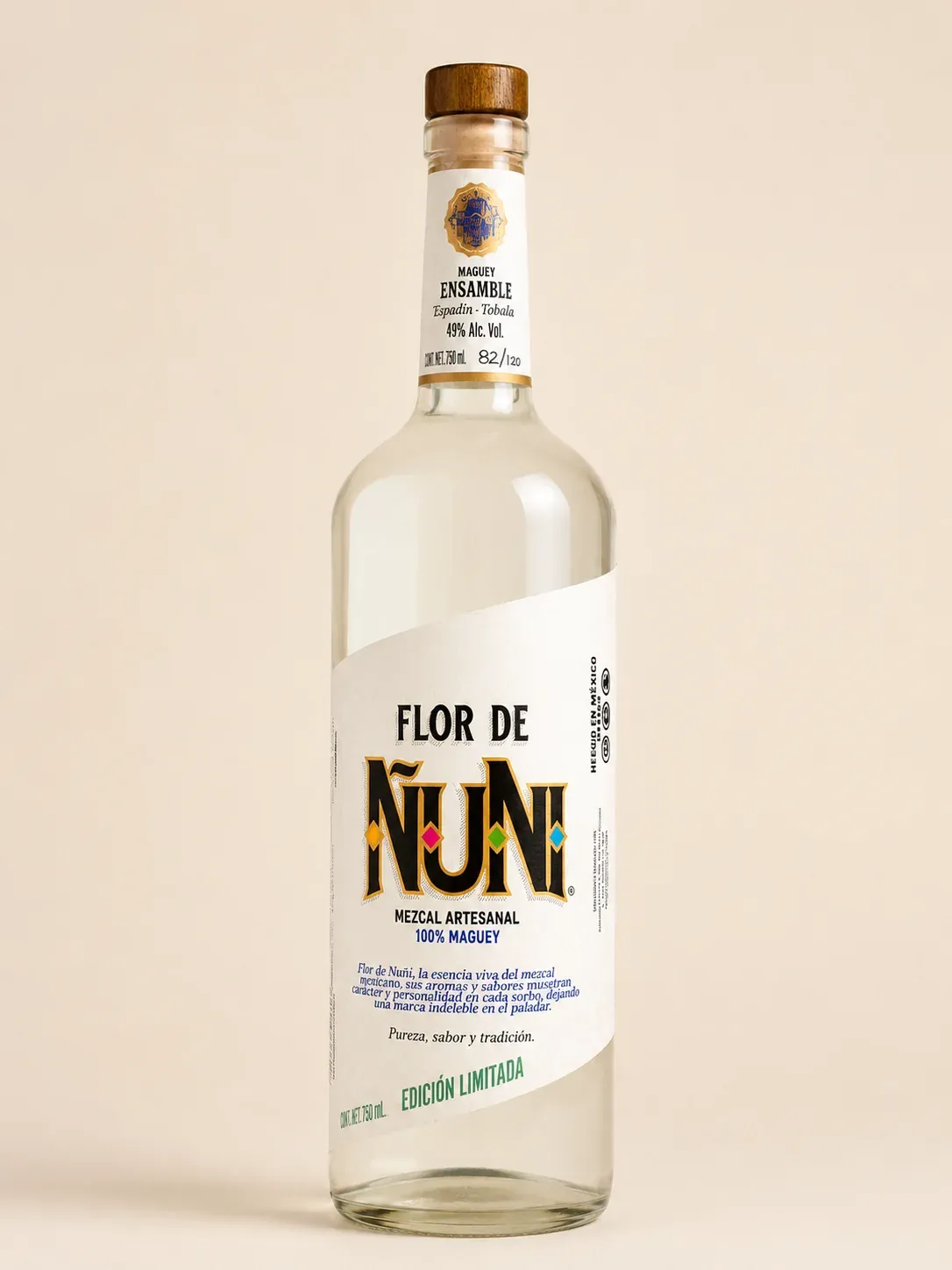
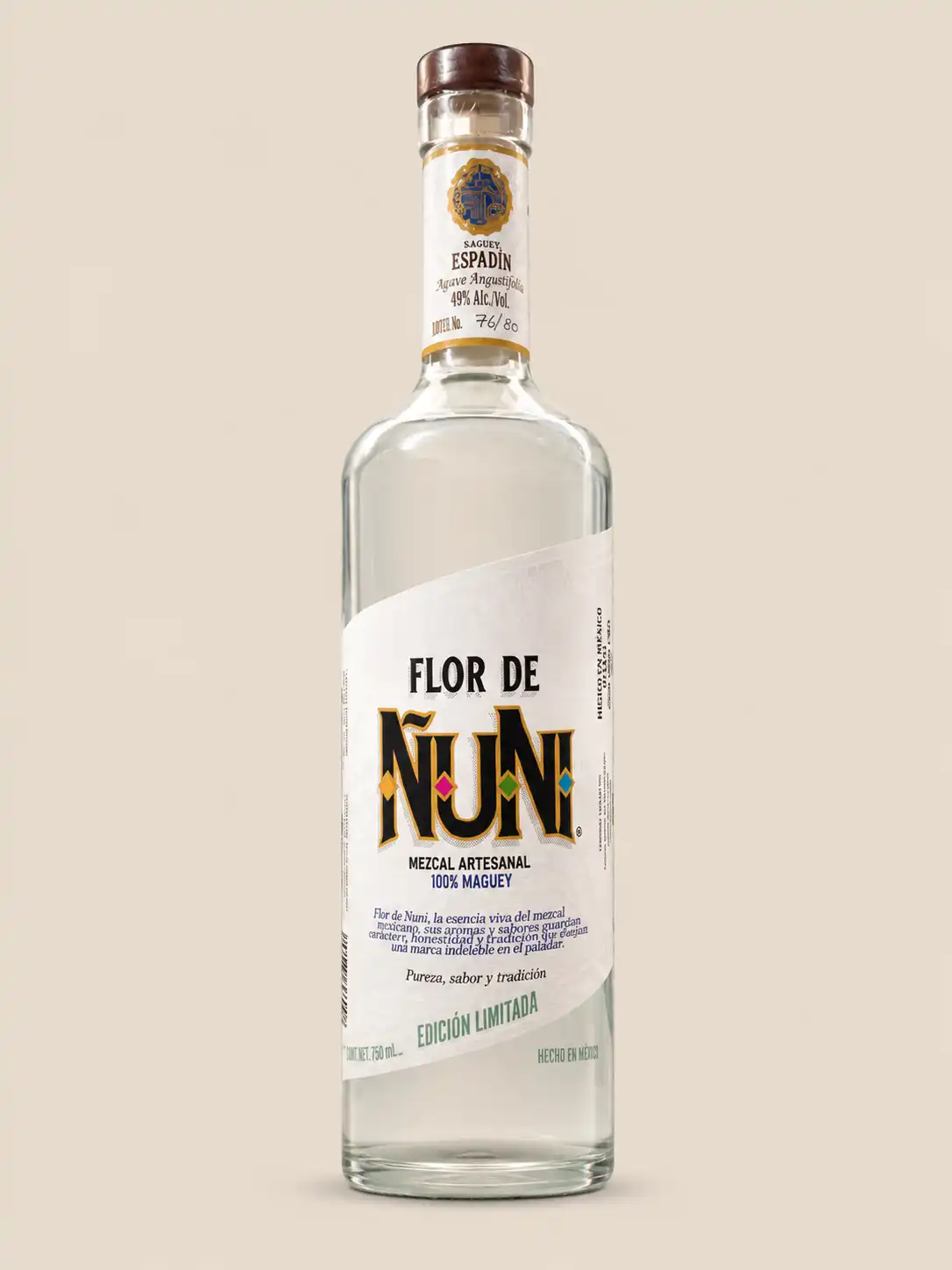
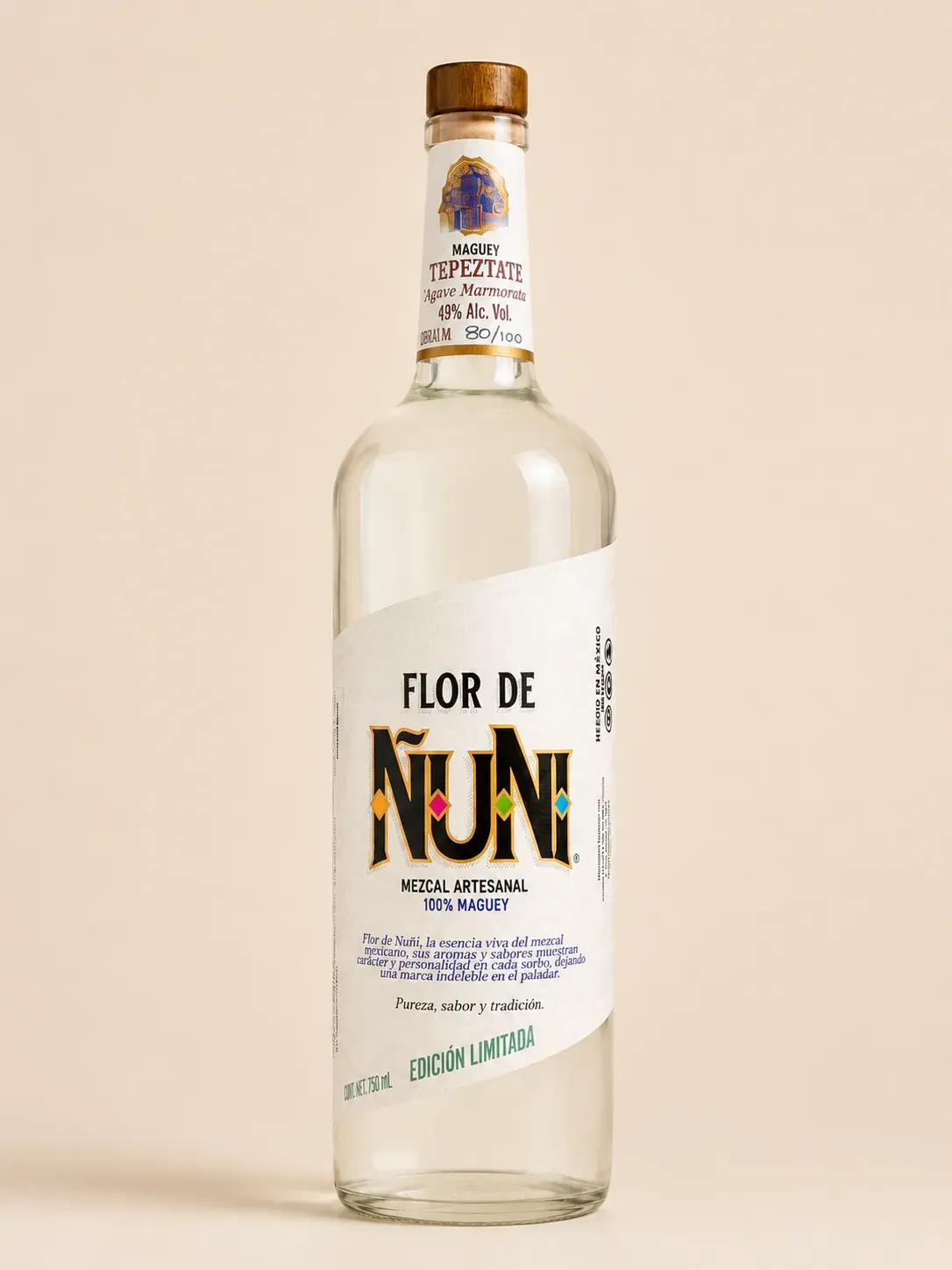
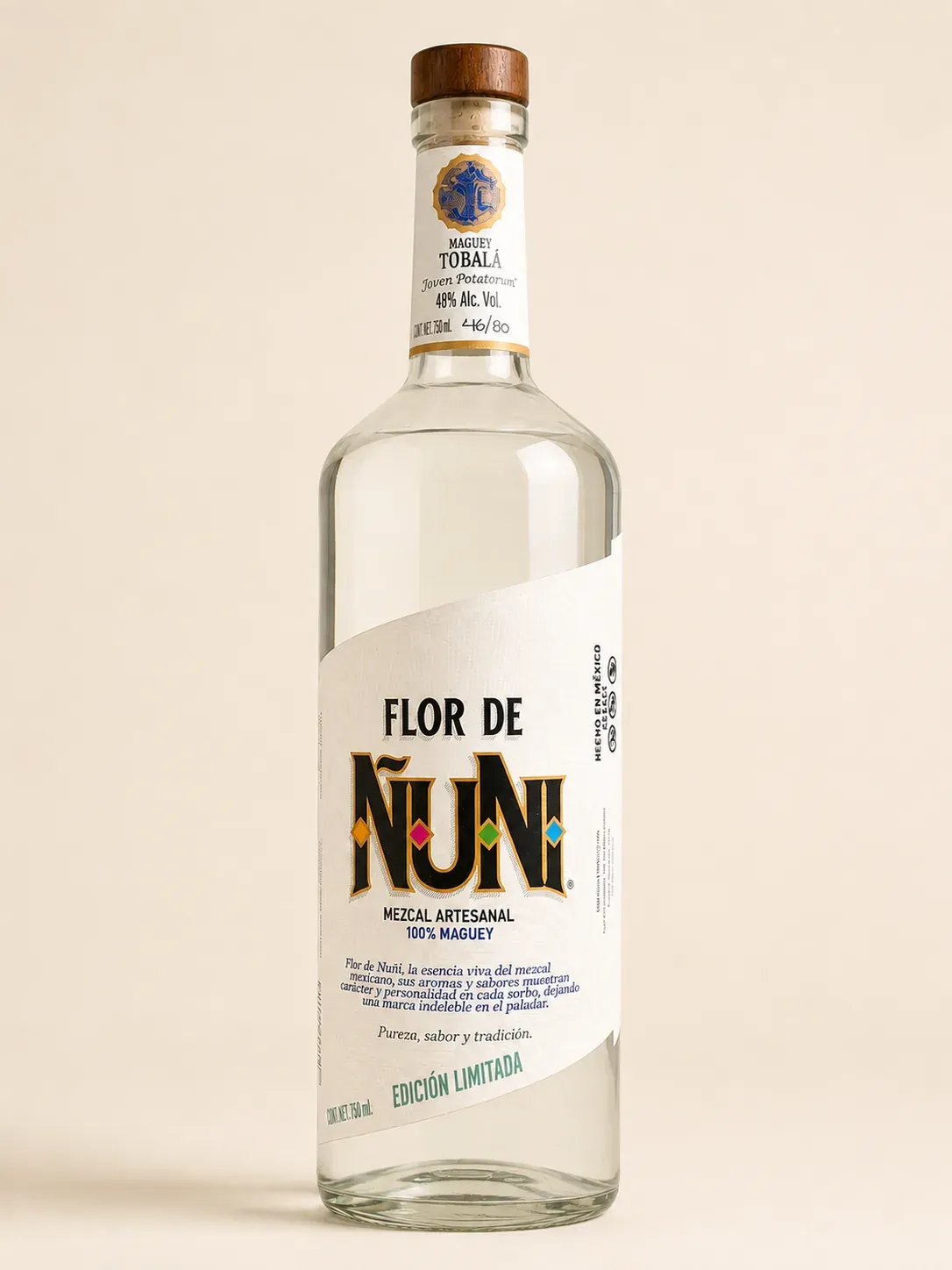
Bottle Lineup
The Story Behind Flor de Ñuni
Flor de Ñuni was founded in 2021 by José Luis G. Cortez as a Mexican mezcal brand built around small-batch production and high-proof joven expressions.
The trademark was formally registered in Mexico the following year, on August 22, 2022.
Made in San Pedro Quiatoni
The mezcal itself is produced in San Pedro Quiatoni, in Oaxaca’s Tlacolula district.
Production is handled by Salvador Cruz Pérez and Sergio Cruz Martínez, using earth-pit cooking, horse-drawn tahona milling, pine fermentation vats and copper stills.
Three Generations Behind the Mezcal
The Cruz family’s work with mezcal began long before Flor de Ñuni.
Salvador learned the craft through his father, Ángel Cruz López, who began making mezcal at 14. Sergio represents the third generation of the family to continue the work in San Pedro Quiatoni.
Built Around Different Agaves
Flor de Ñuni has expanded beyond Espadín, working with Tobalá, Tepeztate, and Mexicanito, as well as limited ensamble releases.
The bottles are typically released at around 49–50% ABV, with the brand emphasizing small lots and limited editions rather than a large-volume range.
Awards and recognition
Award-Winning Releases from Flor de Ñuni
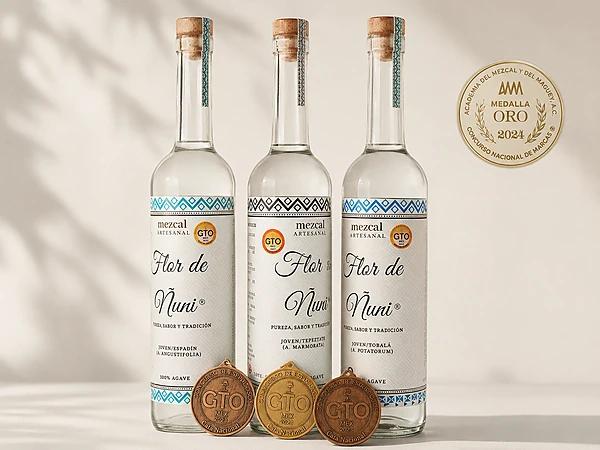
Flor de Ñuni has received recognition for several of its agave expressions in Mexican spirits competitions, with Espadín, Tobalá and Tepeztate all earning medals.
- Grand Gold: Tepeztate, 3º Concurso de Espirituosos GTO 2023
- Gold Medal: Espadín and Tobalá, 3º Concurso de Espirituosos GTO 2023
- Gold Medal: Tobalá and Tepeztate, XIII Concurso Nacional de Marcas, Mezcales y Destilados Mexicanos 2024
Brand Identity
The Flower of Ñuni
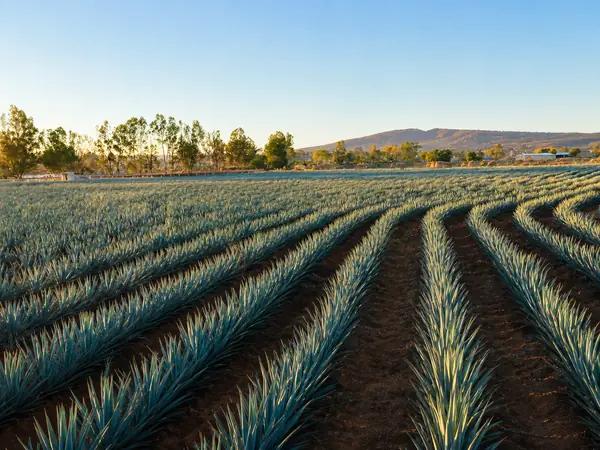
Ñuni comes from Otomí and means “field.” Flor de Ñuni chose the name as a tribute to the agave and the land where it grows.
After years of growth, an agave reaches its single flowering cycle. Once the bloom is complete, the mature rosette dies.
Flor de Ñuni uses that final bloom as the idea behind the brand. The name reflects the long life of the agave and the flower that appears at the end of its cycle.
How Flor de Ñuni Mezcal Is Made
Flor de Ñuni is made in San Pedro Quiatoni using an artisanal process that starts with mature agave and ends with small-batch bottling. The piñas are cooked underground, crushed by stone tahona, naturally fermented in pine vats, and double distilled in copper.
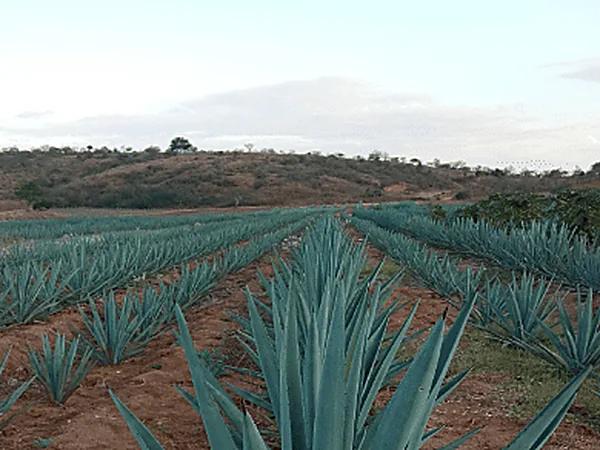
01 · HARVEST
Agaves Harvested at Maturity
Espadín, Tobalá, Tepeztate and Mexicanito are harvested once they have reached the maturity needed for mezcal production. Flor de Ñuni lists Espadín at around eight years, Tobalá at around 15 years and Tepeztate at 25–30 years.
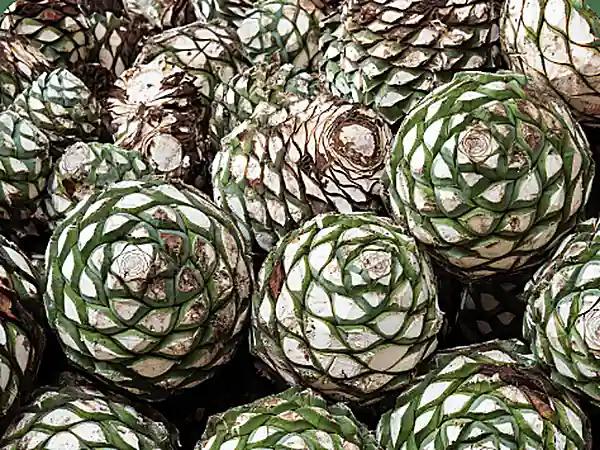
02 · PREPARATION
Piñas Ready for Production
After harvest, the leaves are removed to expose the piñas, where the agave’s sugars are concentrated. These hearts are then prepared for the underground cooking process.
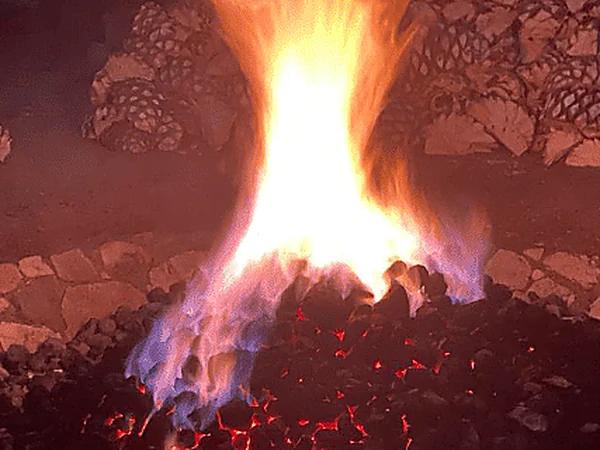
03 · COOKING
Oak Firewood and River Stones
The agave is cooked in a conical pit dug into the ground. Flor de Ñuni uses oak firewood and river stones to generate the heat needed to slowly roast the piñas.
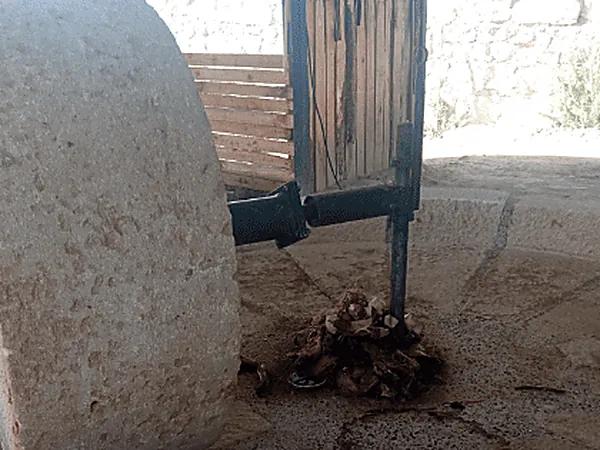
04 · MILLING
Horse-Drawn Stone Tahona
Once cooked, the softened agave is crushed with a traditional stone tahona pulled by a horse. This breaks down the piñas before fermentation.
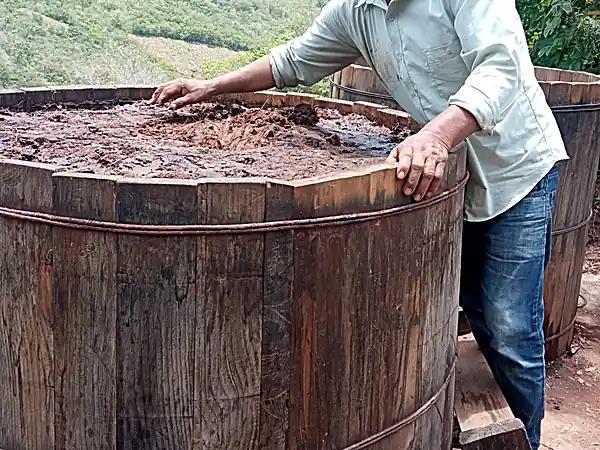
05 · FERMENTATION
Natural Fermentation in Pine Vats
The crushed agave ferments naturally in wooden vats made from pine. No artificial additives or fermentation accelerants are used during this stage.
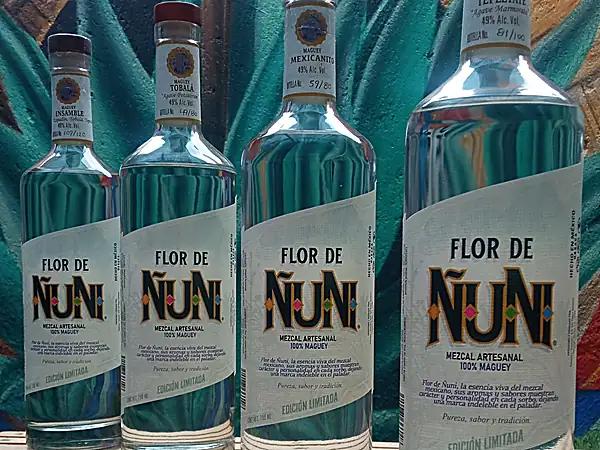
06 · BOTTLING
Small-Batch Limited Releases
After double distillation in copper stills, the mezcal is bottled and labeled by hand. Flor de Ñuni produces small batches and limited editions, generally bottled at around 49–50% ABV.
The Agaves of Flor de Ñuni
Flor de Ñuni works with four agave varieties across its single-agave releases, alongside an Espadín and Tobalá ensamble. The range moves from the sweeter, fruitier profile of Espadín to the deeper, earthy, and mineral character of long-maturing Tepeztate.
| Agave | Species | Maturity | Profile |
|---|---|---|---|
| Espadín | Agave angustifolia | ~8 years | Sweet, citrus, fruity, herbal and lightly smoky |
| Tobalá | Agave potatorum | ~15 years | Herbal, floral, citrus, caramelized, with cacao and vanilla notes |
| Tepeztate | Agave marmorata | 25-30 years | Earthy, mineral, woody, citrus, herbal and lightly smoky |
| Mexicanito | Agave rhodacantha | Not specified | Herbal, fruity, floral, lightly caramelized and softly sweet |
| Ensamble | Espadín + Tobalá | Mixed | Floral, citrus, herbal, lightly earthy and gently smoky |