
Puente Caporal, Malinalco
Rancho El Caporal
Rancho El Caporal is a family mezcal distillery in Malinalco, working with Criollo Sierra Roja and Rhodacantha. Its mezcal is shaped by capado harvests and a Filipino-style still that carries vapor through hollowed local wood.
Criollo Sierra RojaCapado AgaveFilipino Still
THE BRAND
About Rancho El Caporal
Region
Town
Malinalco
Founder
Sergio Reynoso
Mezcalero
Founded
2018
Website
EXPLORE THE COLLECTION
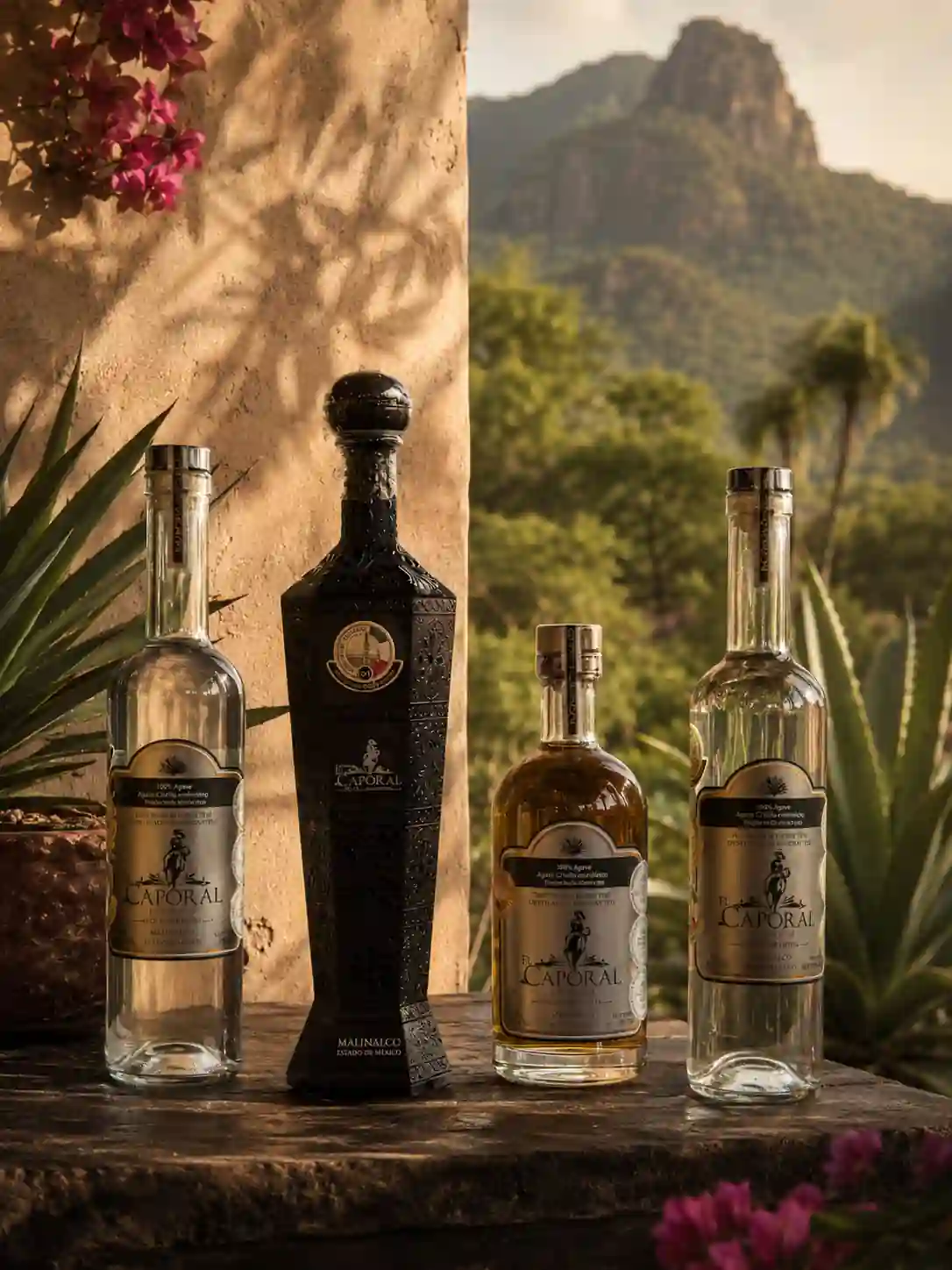
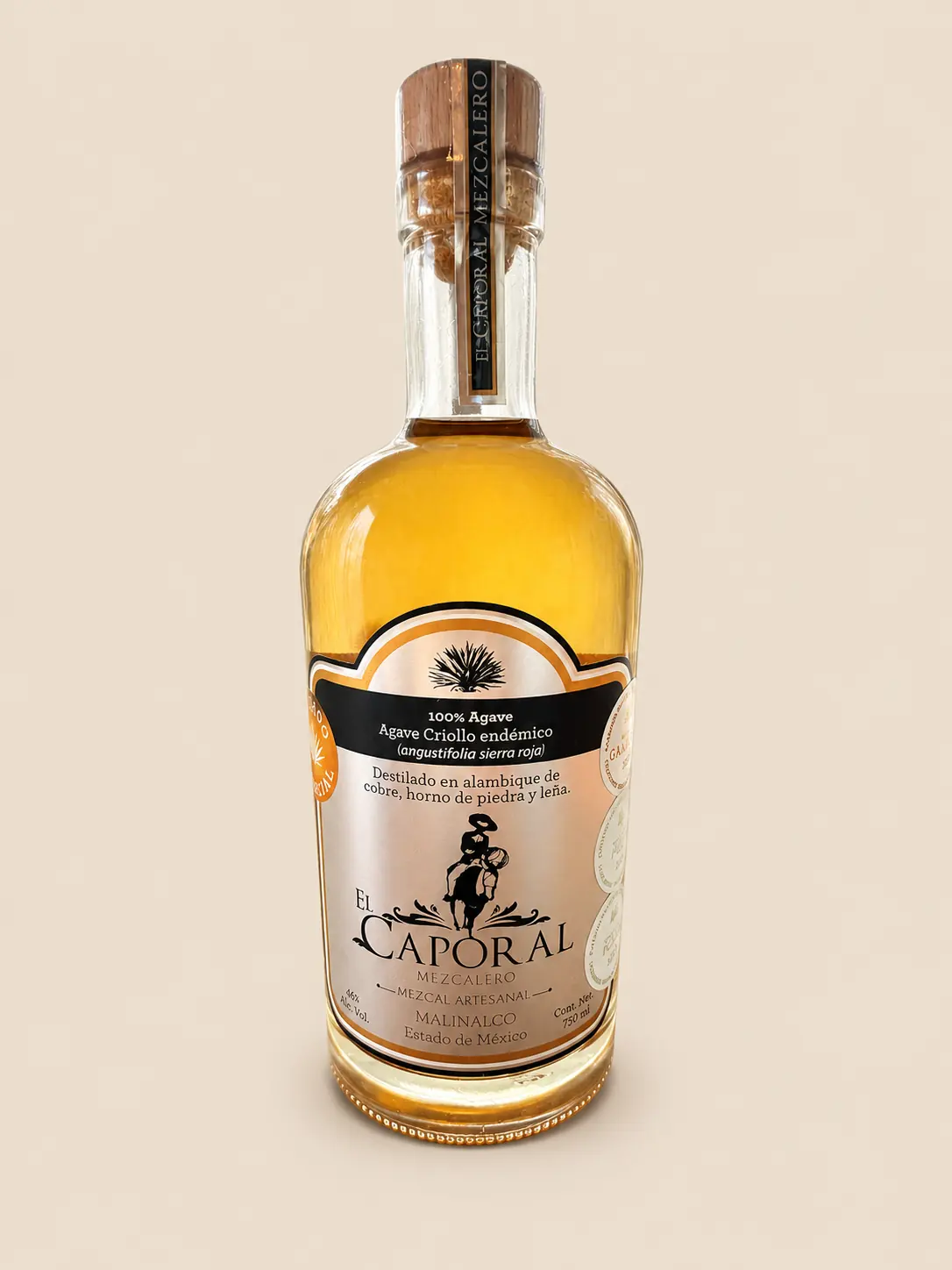
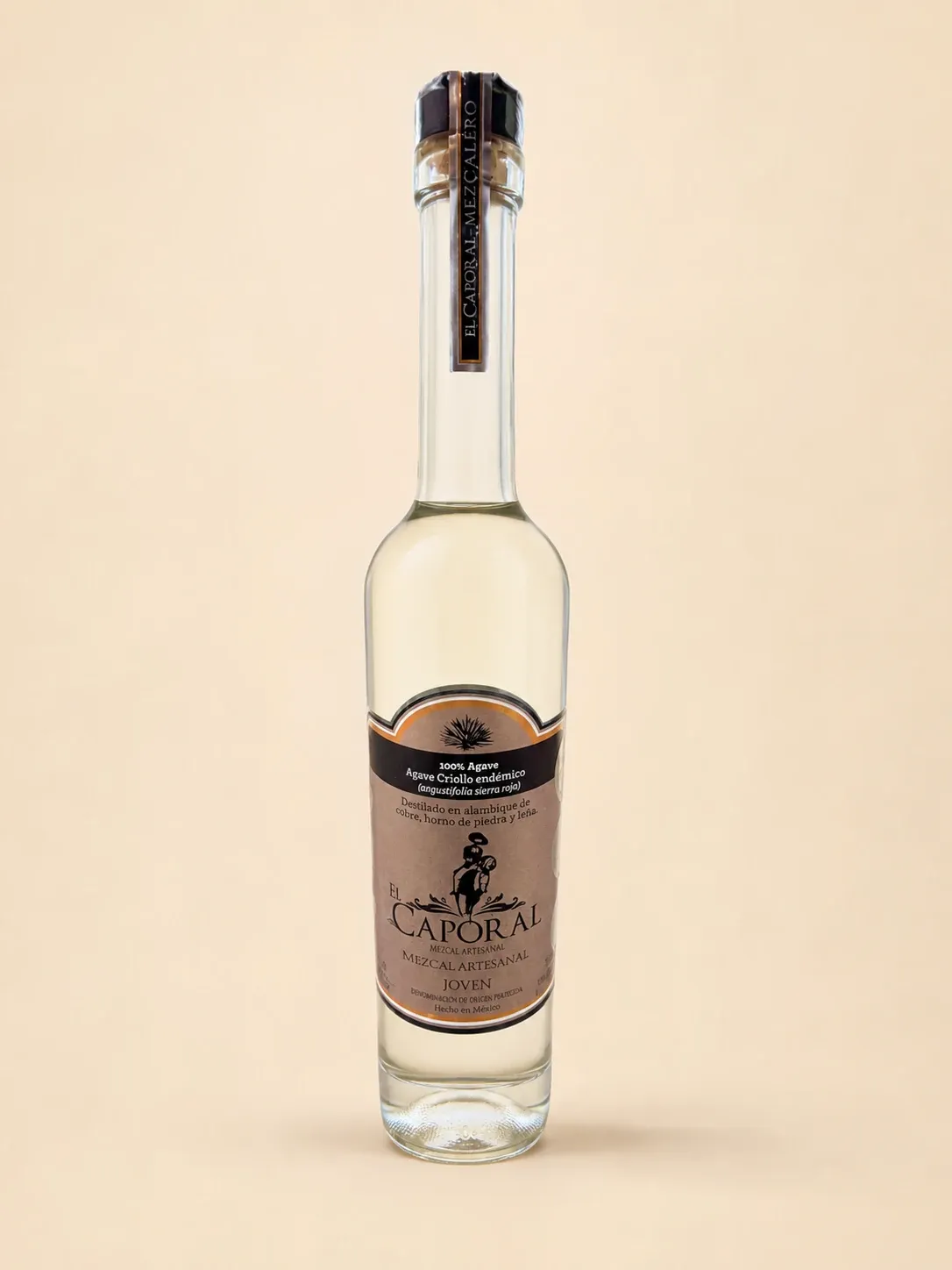
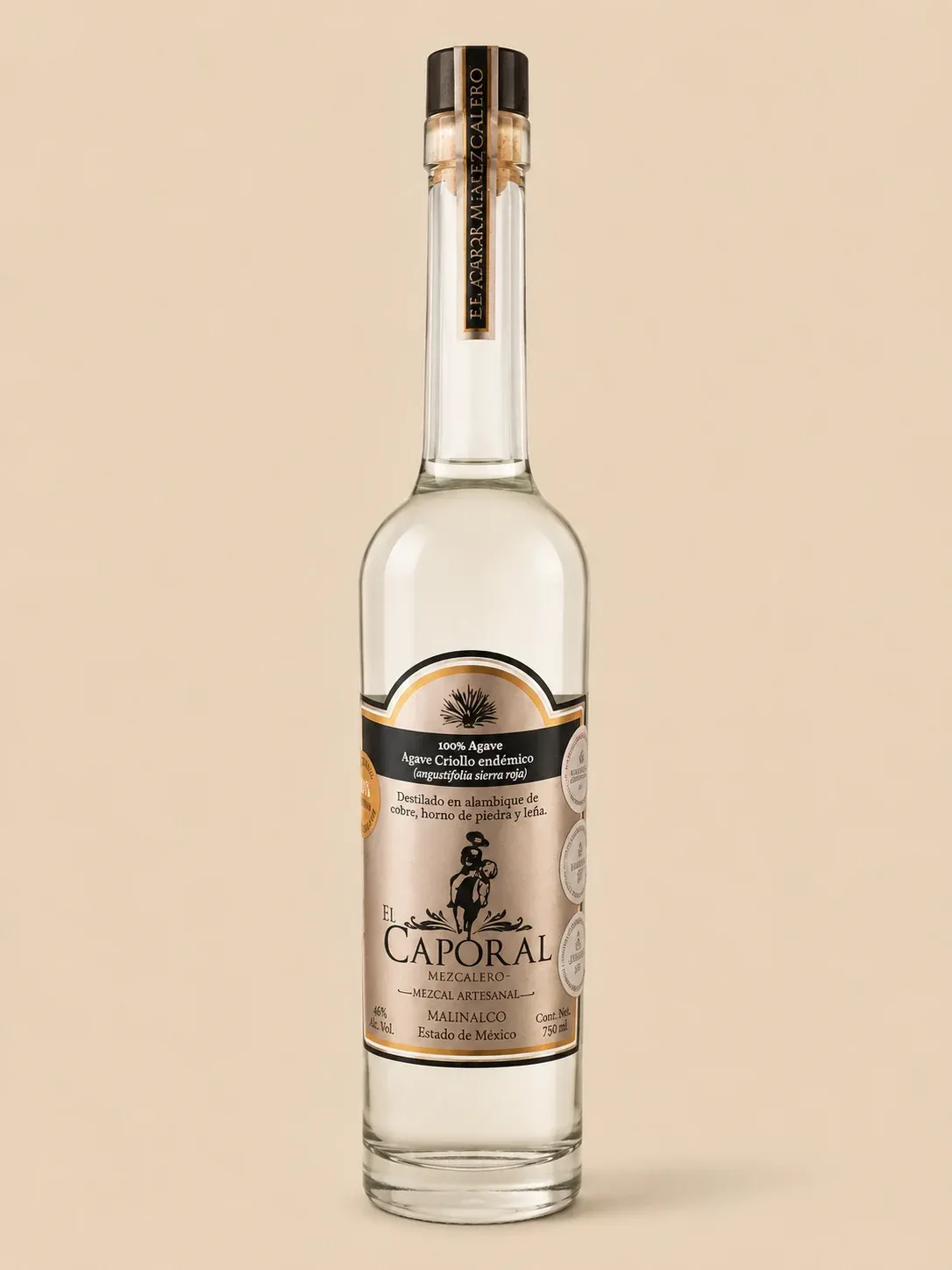
Bottle Lineup
Our visit to Rancho El Caporal in Malinalco, Mexico. Filmed by Martin Fehland for The Mezcal Guide.
Awards and recognition
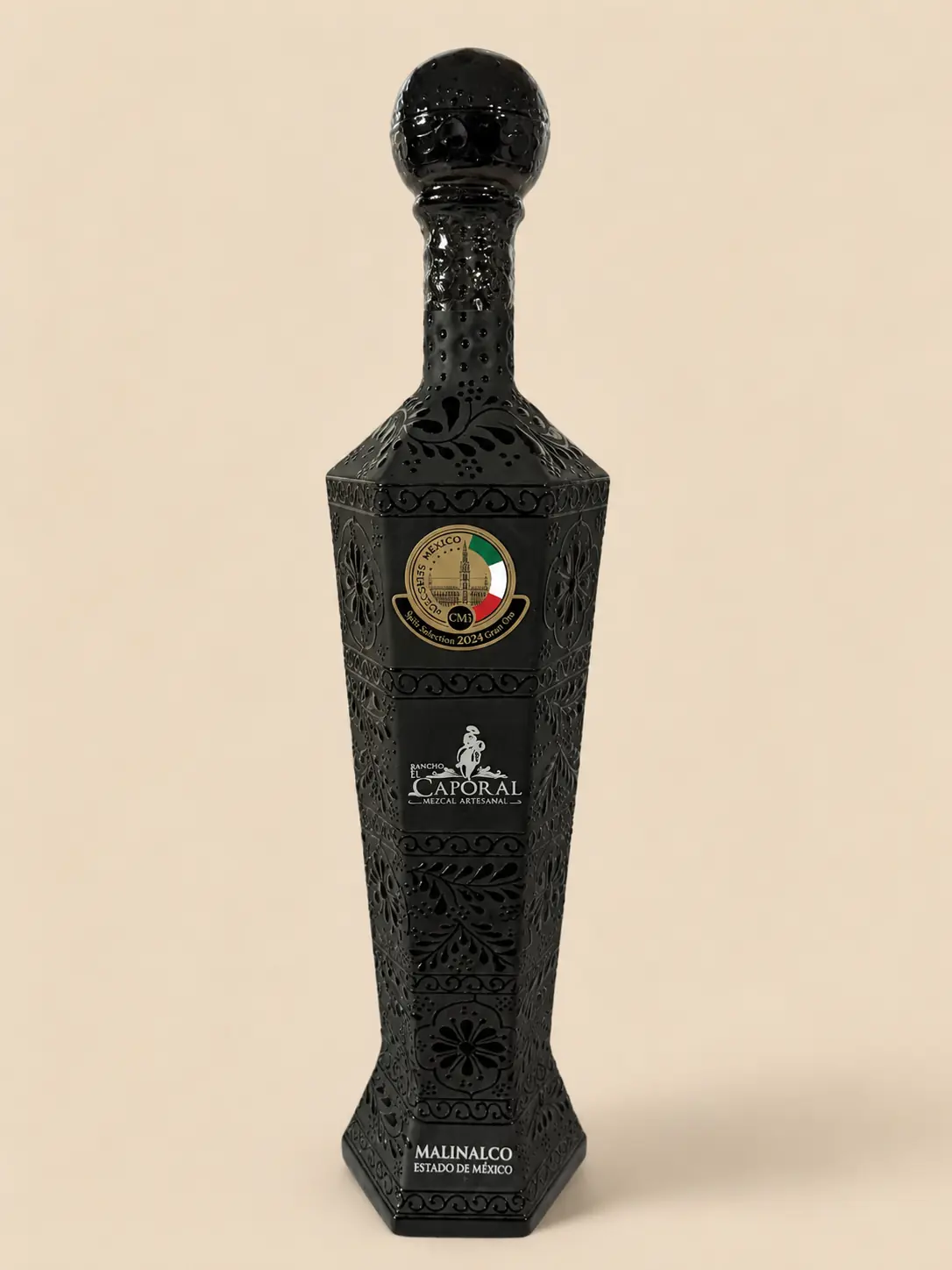
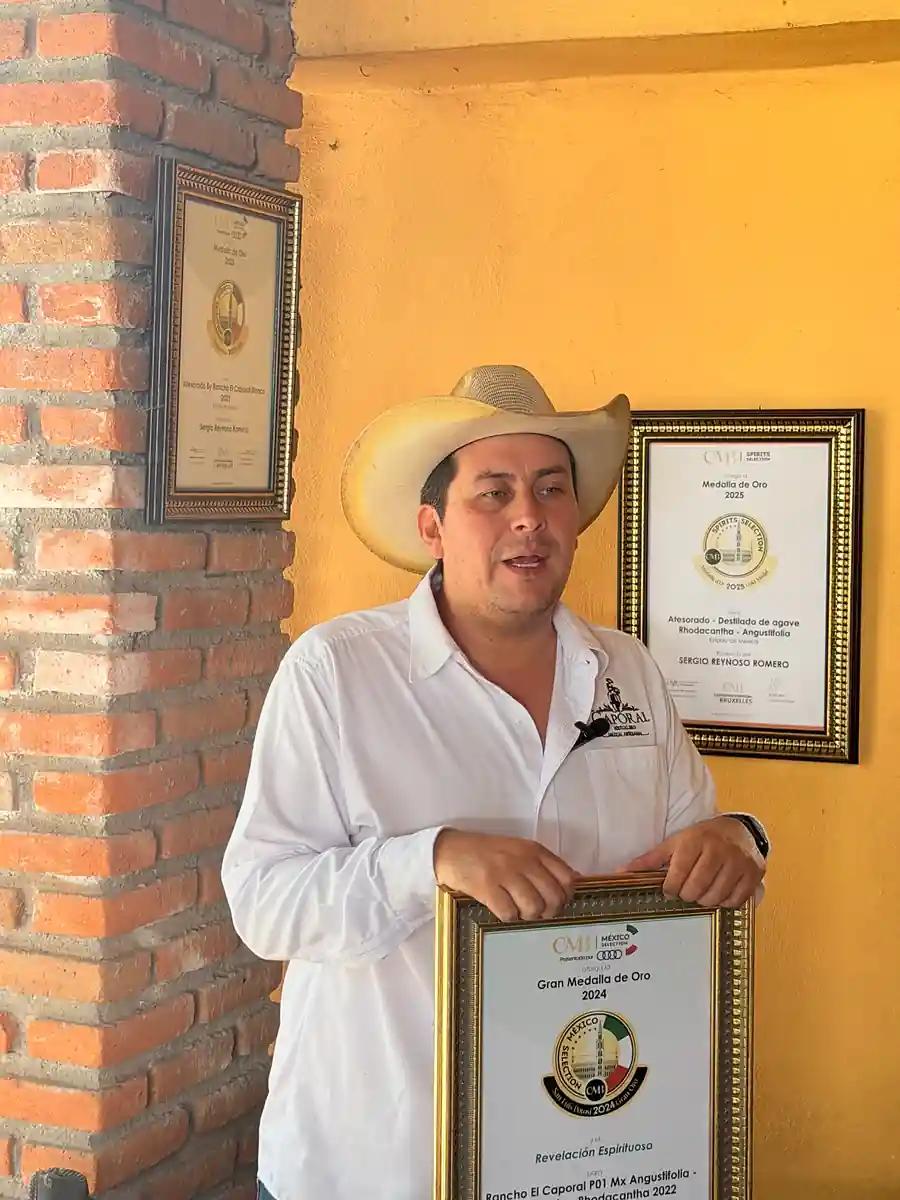
Grand Gold for Rancho El Caporal
Rancho El Caporal has received medals in 2023, 2024 and 2025. Its biggest result came at México Selection by CMB in 2024, where the P01 Angustifolia, Sierra Roja and Rhodacantha 2022 won Grand Gold and was named Spirit Revelation.
- Grand Gold and Spirit Revelation: México Selection by CMB 2024
- Gold Medal: México Selection by CMB 2025, Atesorado 2024
- Gold Medal: México Selection by CMB 2025, Atesorado Blanco 2025
- Gold Medal: Spirits Selection by CMB 2025, Rhodacantha and Angustifolia
- Silver Medal: México Selection by CMB 2024, P05 Angustifolia, Sierra Roja and Rhodacantha 2023
- Silver Medals: Academia del Mezcal y del Maguey, 2023 and 2024
The standout result
The 2024 P01 received two separate distinctions at the same competition: Grand Gold and the Spirit Revelation award.
Built in Memory of a Malinalco Blacksmith
Rancho El Caporal began producing mezcal in 2018. The first batch was released for sale in 2020.
On our visit to Rancho El Caporal, Sergio Reynoso told us that the project grew from both his own love of mezcal and the story of his maternal grandfather, Don Cruz Romero Gris.
Cruz was a master blacksmith in Malinalco, at a time when the town was isolated and depended heavily on local craftsmen. He made farm tools and doors, maintained church bell towers and worked extensively with metal.
That work also connected him to mezcal. Producers brought him stills, monteras and barrels with damaged bottoms to repair, including equipment that had been broken since the Mexican Revolution.
Cruz never produced mezcal himself, although Sergio says he loved drinking it. Decades later, his grandson dedicated Rancho El Caporal to him and began producing mezcal under the family name.
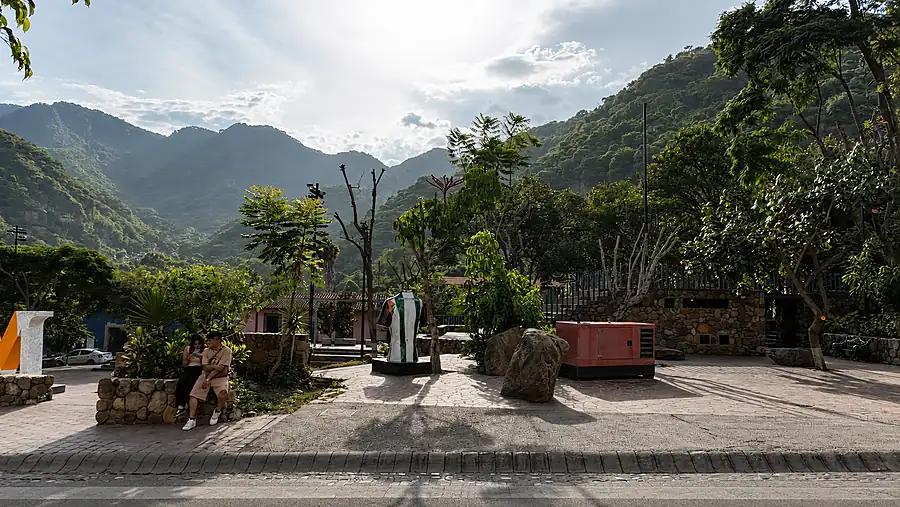
Rooted in Malinalco
A Mezcal Town That Chose to Stay Small
Malinalco has produced mezcal for generations, but its identity still rests on small family distilleries rather than industrial plants.
Local producers have agreed not to make industrial mezcal. The aim is to keep production tied to the town, its agaves and the methods shared between local mezcaleros.
Rancho El Caporal belongs to that tradition. Its Criollo Sierra Roja grows in Malinalco, the mezcal is produced on the ranch, and each release remains connected to one place rather than a standardized regional formula.
How Rancho El Caporal's Mezcal is Made
Rancho El Caporal’s mezcal starts in its own agave fields in Malinalco and moves through capado, jima, earth-oven cooking, crushing, fermentation and Filipino-style distillation.
01 · Agave
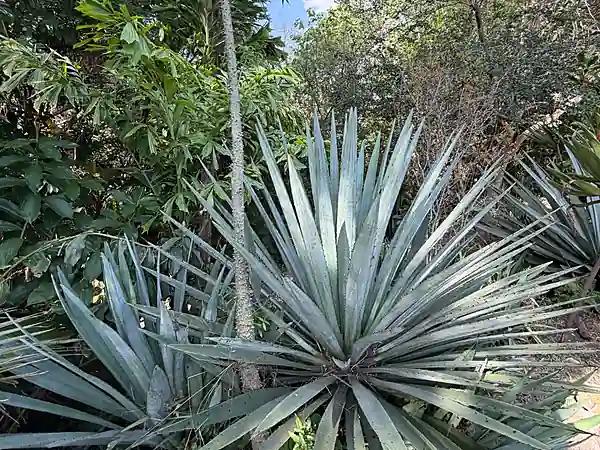
Criollo Sierra Roja and Rhodacantha
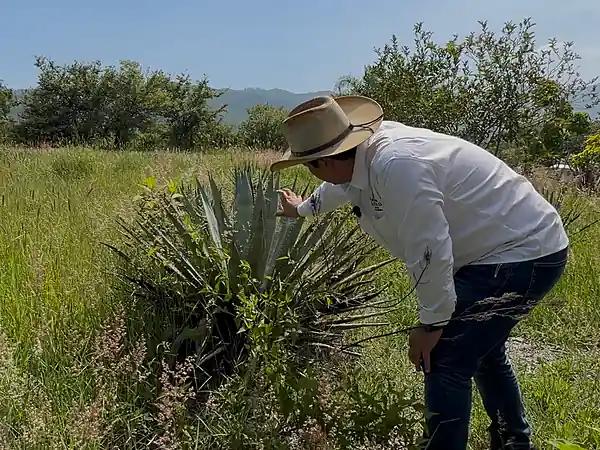
Rancho El Caporal grows Criollo Sierra Roja, a local Agave angustifolia, alongside Agave rhodacantha. Criollo is smaller and naturally high in sugar, while Rhodacantha grows much larger and needs more time in the field.
02 · Jima
Capado before harvest
Selected agaves have their quiote cut and may remain in the field for another year. This keeps more of the plant’s stored energy in the piña before the pencas are removed during jima.
03 · Cooking
Cooked with wood, stone and earth
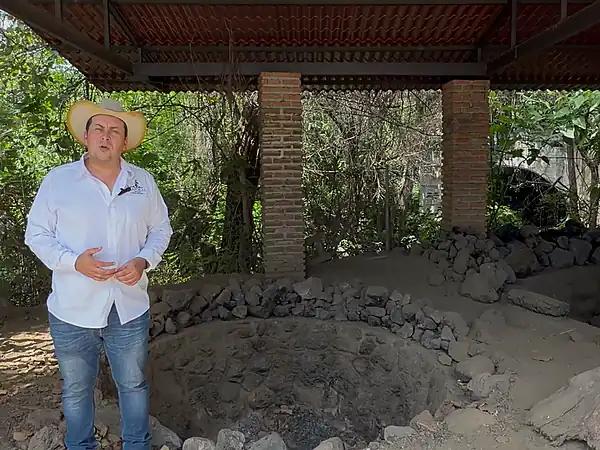
The piñas are cooked underground with firewood, stone and earth. The slow roast softens the agave and develops the cooked sweetness, smoke and earthy character Sergio looks for.
04 · Crushing
The cooked piñas are broken down
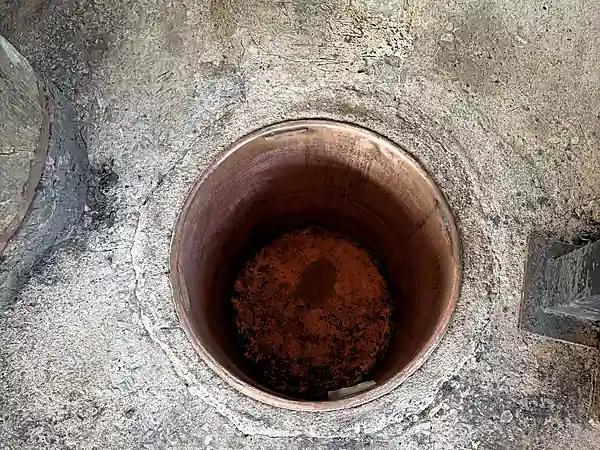
Once the agave leaves the oven, the softened piñas are crushed to release their juice and separate the fibers. Both parts continue into the next stage rather than being treated as separate ingredients.
05 · Fermentation
Juice and fibers ferment together
The crushed agave ferments with its juice and bagasse together. The batch is allowed to develop naturally before Sergio decides it is ready to move into the still.
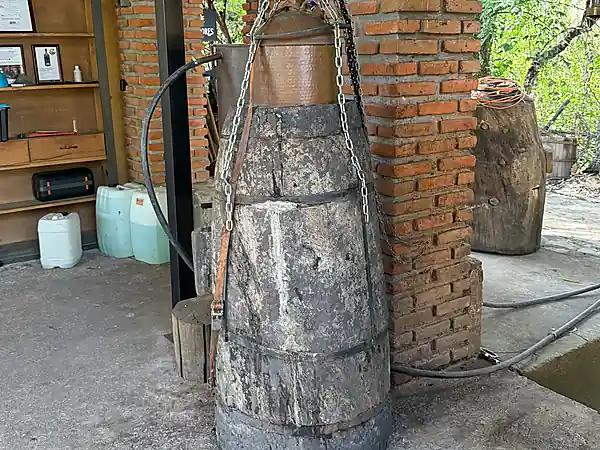
06 · Distillation
Filipino distillation through hollowed wood
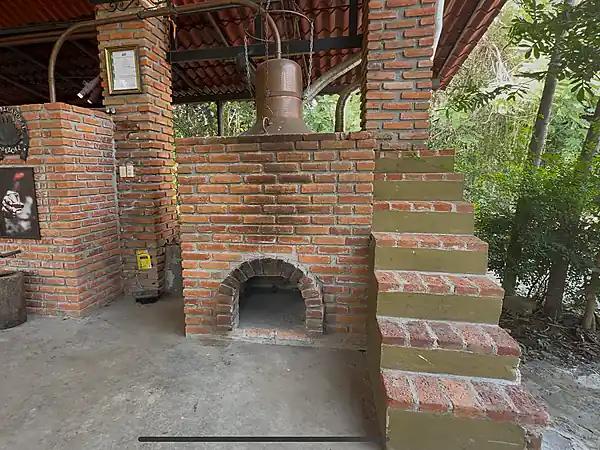
Rancho El Caporal uses a Filipino-style system built around copper and wood. The vapor passes through a hollowed tree trunk, with willow, ash, white or black amate, and mango among the woods used.
Criollo Sierra Roja and Rhodacantha from Malinalco
Rancho El Caporal works with two agaves grown on the ranch in Malinalco, Criollo Sierra Roja and Rhodacantha. The Criollo is a local form of Agave angustifolia. It stays relatively small, matures with a high concentration of sugar and has become central to the identity of the project.
Rhodacantha grows much larger and takes longer to reach maturity. Sergio uses the two agaves together in some releases, while other batches allow one variety to stand on its own.
Sergio Reynoso
Sergio Reynoso founded Rancho El Caporal in 2018 and released its first commercial batch two years later. He built the project around Malinalco’s mezcal tradition and dedicated it to his grandfather, Don Cruz Romero Gris.
Sergio oversees the work from the agave fields through distillation. He decides when each plant is ready for capado and harvest, follows the cooking and fermentation, and makes the final cuts during distillation.
How the process shapes the flavor
The agave is cooked underground with firewood, stone and earth. This develops roasted sweetness, smoke and a deeper earthy character before the cooked piñas are crushed.
The juice and fibers ferment together, allowing the full cooked agave to remain in the batch. The result depends on the agave, the weather and the point at which Sergio decides the fermentation is ready.
Filipino-style distillation adds another layer to the mezcal. The vapor moves through hollowed wood, and Sergio works with woods including willow, ash, amate, and mango. These materials can subtly influence the aroma and texture without covering the character of the agave.
Sustainability
Rancho El Caporal grows its agaves and produces its mezcal on the ranch in Malinalco. Criollo Sierra Roja and Rhodacantha mature at different rates, so harvests follow the plants rather than a fixed production schedule.
The project also forms part of a wider local commitment. Mezcal producers in Malinalco have agreed not to introduce industrial production, helping keep the town’s mezcal connected to small distilleries, local agaves and traditional methods.