AGAVE IDENTITY
Criollo Sierra Roja
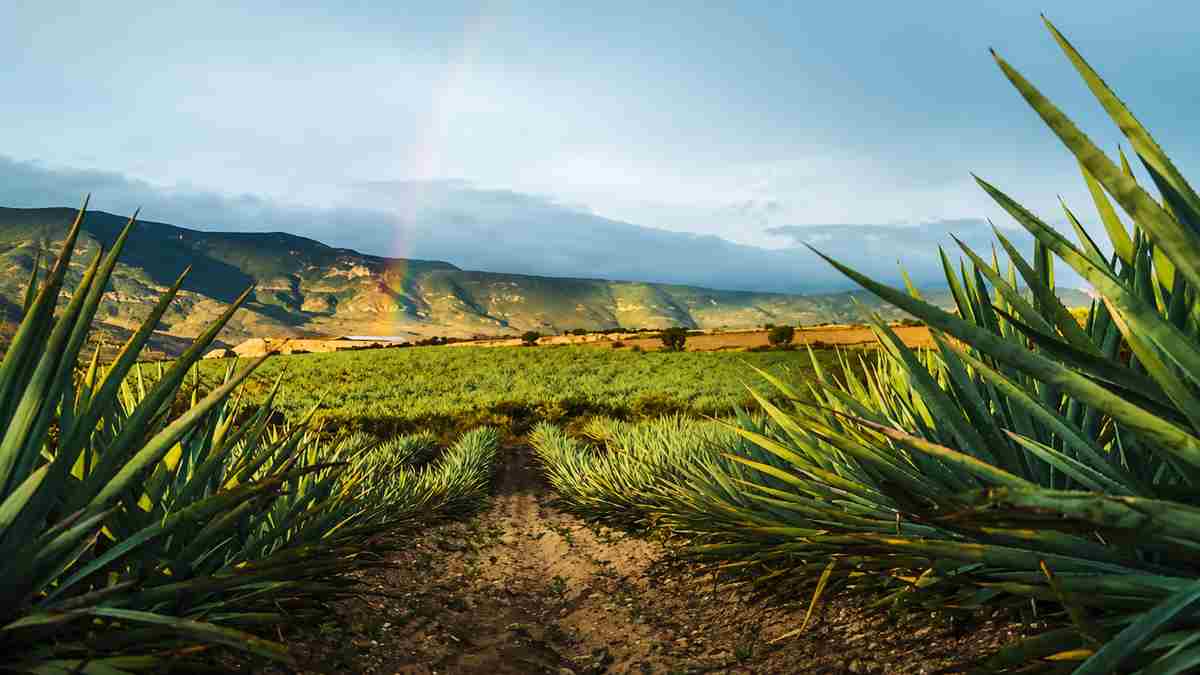
In Estado de México, the local Agave angustifolia is known as criollo. Some producers call it Sierra Roja because its spines appear red in the sunlight.

High-Altitude Volcanic Spirit
THE REGION
Estado de México was officially added to the Mezcal Denomination of Origin in 2018, but mezcal has been produced here for centuries. It stands as one of the highest-altitude and most rugged producing regions in the country. Around Nevado de Toluca, steep valleys, volcanic soils and high-altitude microclimates shape a mezcal culture driven mainly by small family producers rather than large brands
Mezcal has been produced in Estado de México for centuries, but it was not until 2018 that the region received DOM status, covering 15 municipalities.
Here, agave is grown in the mountains, where the large differences in altitude create very different conditions. You find everything from cool highlands around Nevado de Toluca to warm and humid areas farther south.
The most commonly used agave is known locally as criollo, an Agave angustifolia. It is the same species known as espadín in Oaxaca. Here, however, it is smaller and has a higher sugar concentration, which gives it a sweeter character.
Mezcal production in Estado de México mainly consists of small family distilleries rather than large brands. For example, the producers in Malinalco have an agreement not to produce industrial mezcal.
AGAVE IDENTITY
In Estado de México, the local Agave angustifolia is known as criollo. Some producers call it Sierra Roja because its spines appear red in the sunlight.
BEFORE HARVEST
The emerging quiote is cut before harvest so the plant keeps its energy in the piña. It may then stay in the field for another year to develop more sugar and flavor.
DISTILLATION
Some stills use a hollowed tree trunk for the hot vapor. The wood can vary between ash, willow, amate and mango, giving each batch a different character.
Mezcal production in the region combines a mountainous landscape with the Nevado de Toluca volcano, from 800 to 3,700 meters above sea level.
The large differences in altitude mean that some agave fields are found in cool highland areas, while others are located in much warmer and more humid areas farther south.
The soil varies between andosol, feozem, regosol and vertisol, while oak, pine and oyamel grow at higher elevations. The differences in altitude, soil and climate affect how the agave matures and how long cooking and fermentation take.
Where Estado de México Makes the Most Mezcal
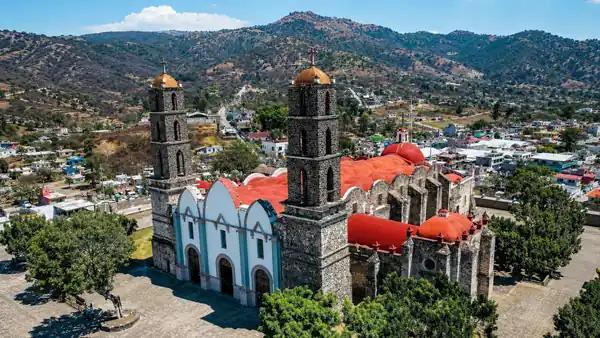
Zumpahuacán produces more mezcal than any other municipality in Estado de México. Its history is unusually well documented. Records from the Santo Oficio show that Indigenous communities were already making mezcal here in the 1500s and using it in rituals hidden from the Spanish authorities.
Small Batches from San José Chalmita
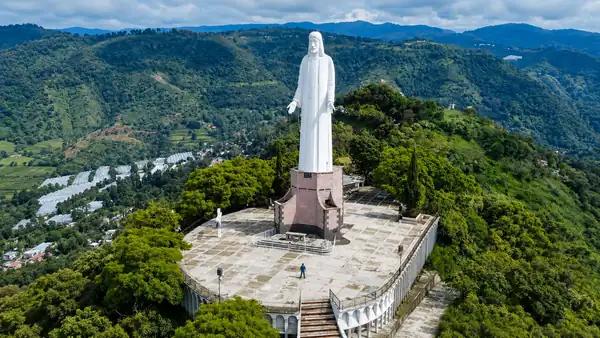
In Tenancingo, mezcal is made in very small quantities, mainly around the mountain village of San José Chalmita. The agave grows in mineral-rich soil, giving the spirit a character of its own. The municipality is also famous across Mexico for its handwoven rebozos.
Wild Agave in Tlahuica Country
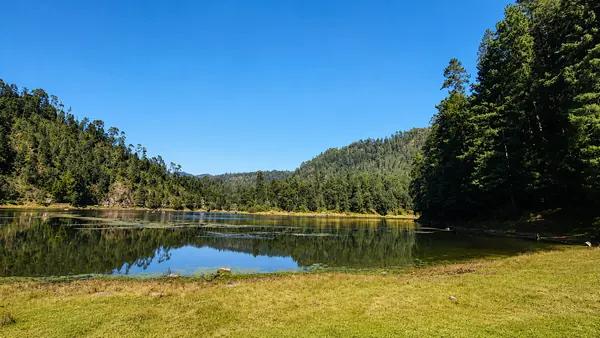
Ocuilan’s mezcal comes from remote mountain communities where the Tlahuica people still work with local wild agaves. Production is tiny and the methods remain traditional, often giving the spirit an earthy character. The municipality is also home to Chalma and its sacred Ahuehuete tree.
Mining History and Award-Winning Mezcal
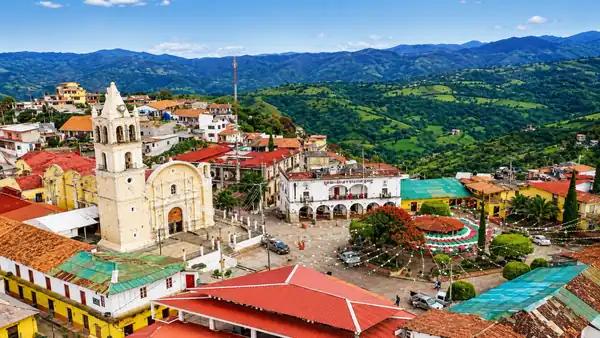
Zacualpan was founded in 1526 and is considered the oldest active mining town in North America. The municipality spent almost nine years working to gain official inclusion in the Mezcal Denomination of Origin. Rancho San Miguelito is among the local distilleries that have won the national Premio al Mezcal.
Thermal Springs, Tourism and New Mezcal
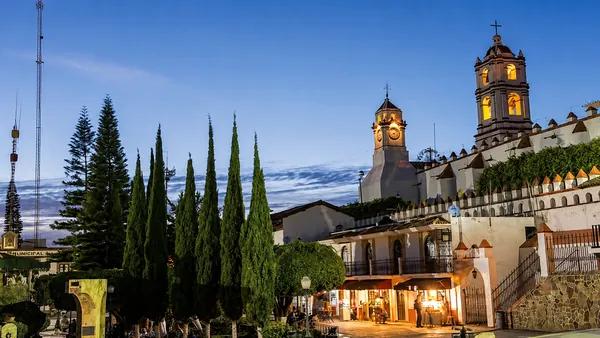
Ixtapan de la Sal is better known for its thermal baths and tourism, but mezcal is now part of the picture too. The Pueblo Mágico was recently added to Estado de México’s protected mezcal zone. New agave projects now sit alongside local woodcraft and the underground caves at Grutas de la Estrella.
Family Distilleries and Criollo Sierra Roja
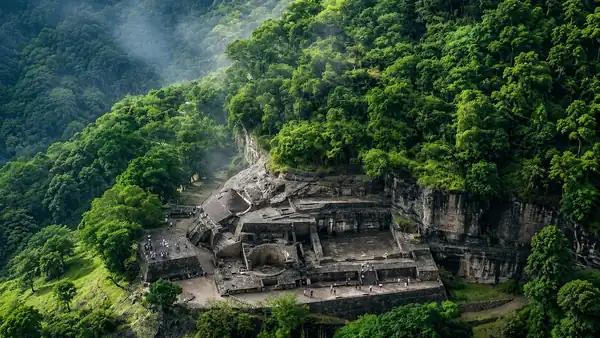
Malinalco is one of the old mezcal towns in Estado de México. The local Agave angustifolia is called Criollo Sierra Roja because its spines look red in the sunlight. Production is led by small family distilleries, and local producers have agreed not to make industrial mezcal in order to protect traditional methods and the identity of the region.
Estado de México first filed its application in 2016. It asked for 15 southern municipalities to be included, among them Malinalco, Zumpahuacán, Zacualpan, Ocuilan and Tenancingo.
The opposition came mainly from Oaxaca. Municipal leaders from Santiago Matatlán, Mitla, Tlacolula and Teotitlán del Valle objected, together with CANAIMEZ and companies including Destilería Convite and Licorera Oaxaqueña.
IMPI approved the application on August 8, 2018. The opponents then took the case to federal court, where it remained under dispute for several more years.
In December 2024, the court ordered the process to be reopened with new expert evidence. This included soil sampling, maps of native agave populations, visits to production units and a separate historical investigation.
The final decision came on November 21, 2025. All 15 municipalities were confirmed as part of the Mezcal Denomination of Origin.
The ruling also accepted that mezcal from Estado de México does not have one fixed style. It can taste different from one town or distillery to the next.
The main agave in Estado de México is criollo, a local form of Agave angustifolia. It is the same species as Espadín in Oaxaca, but the plants do not grow in exactly the same way.
Sergio at Rancho El Caporal told us that criollo grown in Estado de México is usually smaller than Oaxacan Espadín. It also develops more sugar, which helps explain why mezcal from the region can taste noticeably sweeter.
Some producers call it Criollo Sierra Roja. The name comes from the spines, which can look red when the sunlight hits them.
Criollo dominates production, but it is not the only agave used. Producers in Estado de México also work with Agave rhodacantha and Agave cupreata.

Agave angustifolia is the most widely used agave in Estado de México. Producers call it criollo rather than Espadín. The local plants are generally smaller than those grown in Oaxaca but contain more sugar at harvest.
Criollo Sierra Roja is a regional name for the same agave, not a separate species. It refers to the spines, which can appear red when the sunlight hits them.
Agave rhodacantha grows larger than criollo and normally needs more time in the field. Mature plants can produce particularly heavy piñas, giving distillers more cooked agave from each harvest.
The mezcal can begin with ripe fruit and sweetness before moving toward herbs and a drier finish. Producers also use Rhodacantha together with Angustifolia in ensamble mezcals.
Agave cupreata is used in the warmer southwest of Estado de México, including Tlatlaya. Some producers cultivate it beside Angustifolia, with the plants taking around eight years to reach harvest.
Cupreata does not spread through hijuelos in the same way as many cultivated agaves. New plants grow from seed, so flowering plants and seed collection remain important for future harvests.
Mezcal is not made exactly the same way across the Estado de México. Equipment and techniques change from one municipality to the next, but the process still follows four main stages: cooking, crushing, fermentation and distillation.
In El Palmar, the agave spends four to five days in conical earth ovens lined with volcanic stone. It is crushed with wooden mallets or a mill, then fermented naturally in pine or oak vats for three to seven days.
Rancho El Caporal in Malinalco uses a Filipino-style still. The vapor passes through a hollowed tree trunk, with willow, ash, white or black amate, and mango among the woods used in the system.

At El Cabrigo in Tlatlaya, the Salgado Salmerón family works with both Angustifolia and Cupreata. Its oven holds around five metric tons of agave, while two stills support an annual output of about 2,000 liters.
Under NOM-070, pit ovens, mallets or mills, wooden fermentation vessels and direct-fire stills all fit within Mezcal Artesanal. Copper boilers and clay pots are both permitted within the category.
Flavor drivers
Estado de México mezcal can move from sweet and rounded to green, earthy and dry. The agave, altitude, soil and production choices all leave a mark.
The local Criollo is Agave angustifolia, the same species as Oaxacan Espadín. The plants are generally smaller but can build more sugar before harvest, often bringing cooked fruit, ripe agave and a rounder texture to the mezcal.
Agave grows across andosol, feozem, regosol and vertisol soils. Each handles water differently, changing how quickly the plant grows and how much stress it faces before harvest. That can push the mezcal toward a fuller, earthier or leaner profile.
The protected region stretches from cool mountain country to much warmer land farther south. Lower temperatures slow agave growth and fermentation, while the warmer valleys move both stages faster. The result can shift from green and herbal to sweeter, riper and more earthy.
Some agaves have their quiote cut and remain in the field for another year. Instead of spending stored energy on flowering, the plant keeps more of it in the piña. That can give the cooked agave and ferment a denser concentration of sugar and flavor.
Open fermentation brings local yeasts and bacteria into the crushed agave. Temperature, water, sugar and the amount of bagasse all change how the ferment develops, creating fruit, acidity, creaminess and lightly sour notes before distillation begins.
In Malinalco, vapor can pass through hollowed wood during Filipino-style distillation. Willow, ash, amate and mango are among the woods used. The contact is brief, but changing the trunk gives the distiller another way to adjust aroma and the final character of the mezcal.
The main sustainability question is agave supply. The official record says the region’s criollo was first collected from wild mountain populations, before producers began reproducing it from hijuelos in cultivated fields.
Public programs have tried to expand that supply. By 2021, state support had covered 227 producers and 391,108 agave plants across 156 hectares. Another 10,000 plants were delivered to southern producers in 2023.
How those plants are reproduced also matters. A 2025 study in Estado de México grew Agave angustifolia from seed, achieved more than 80% germination and recorded 100% survival after the plants reached the nursery.
Seed-grown agaves carry more genetic variation than plants reproduced only from cloned hijuelos. That gives growers another way to establish plantations without placing the same pressure on wild populations.
In San José Chalmita, a UAEMex project worked directly with agave-growing families. Producers received phytosanitary training, and the project produced a manual for agroecological management after identifying problems caused by conventional farming practices.
Sustainability in Malinalco also has a cultural side. During our visit, we were told that local producers have agreed not to make industrial mezcal, keeping production with small family distilleries and protecting the methods tied to the town.
EXPLORE THE COLLECTION
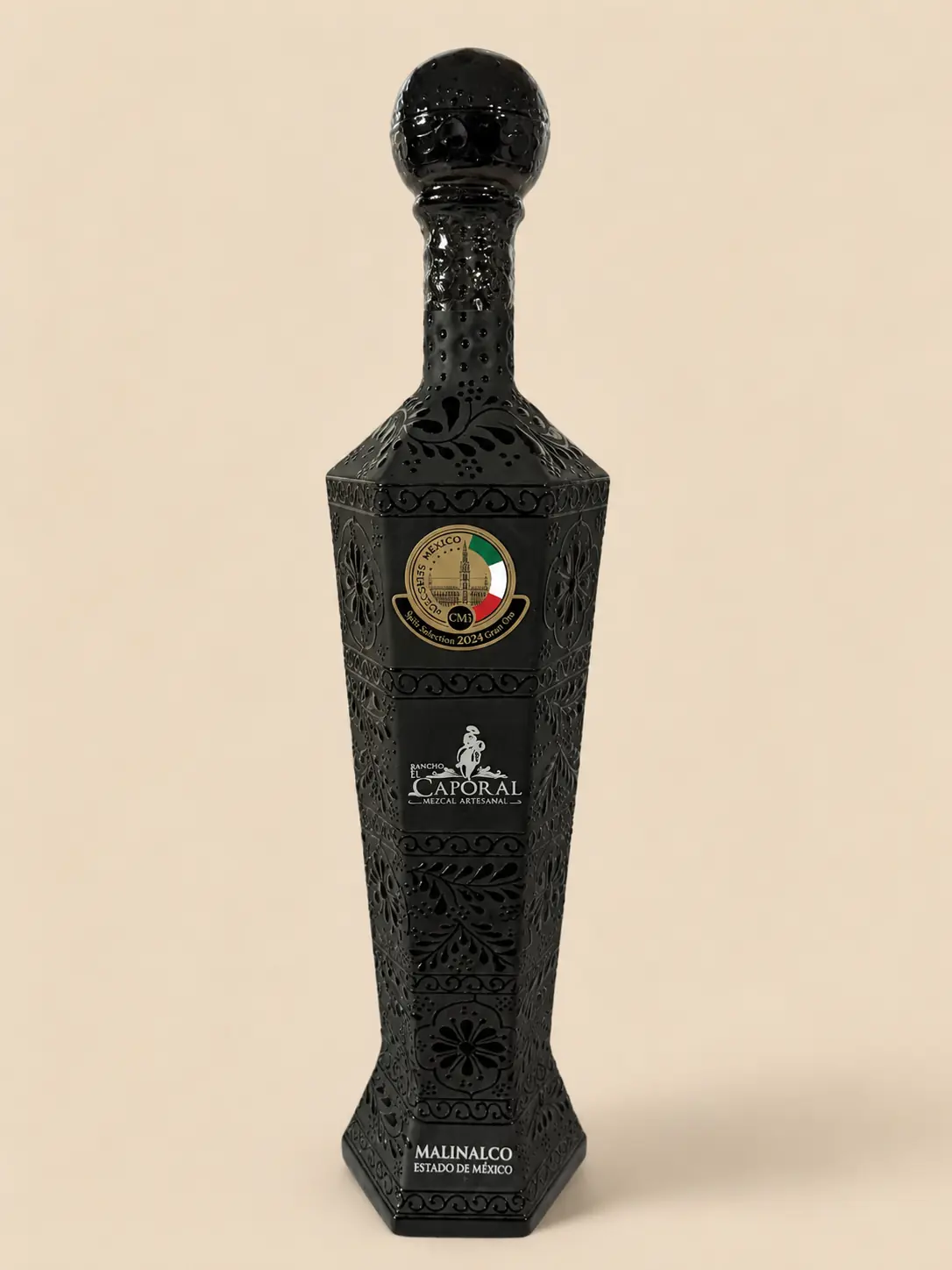
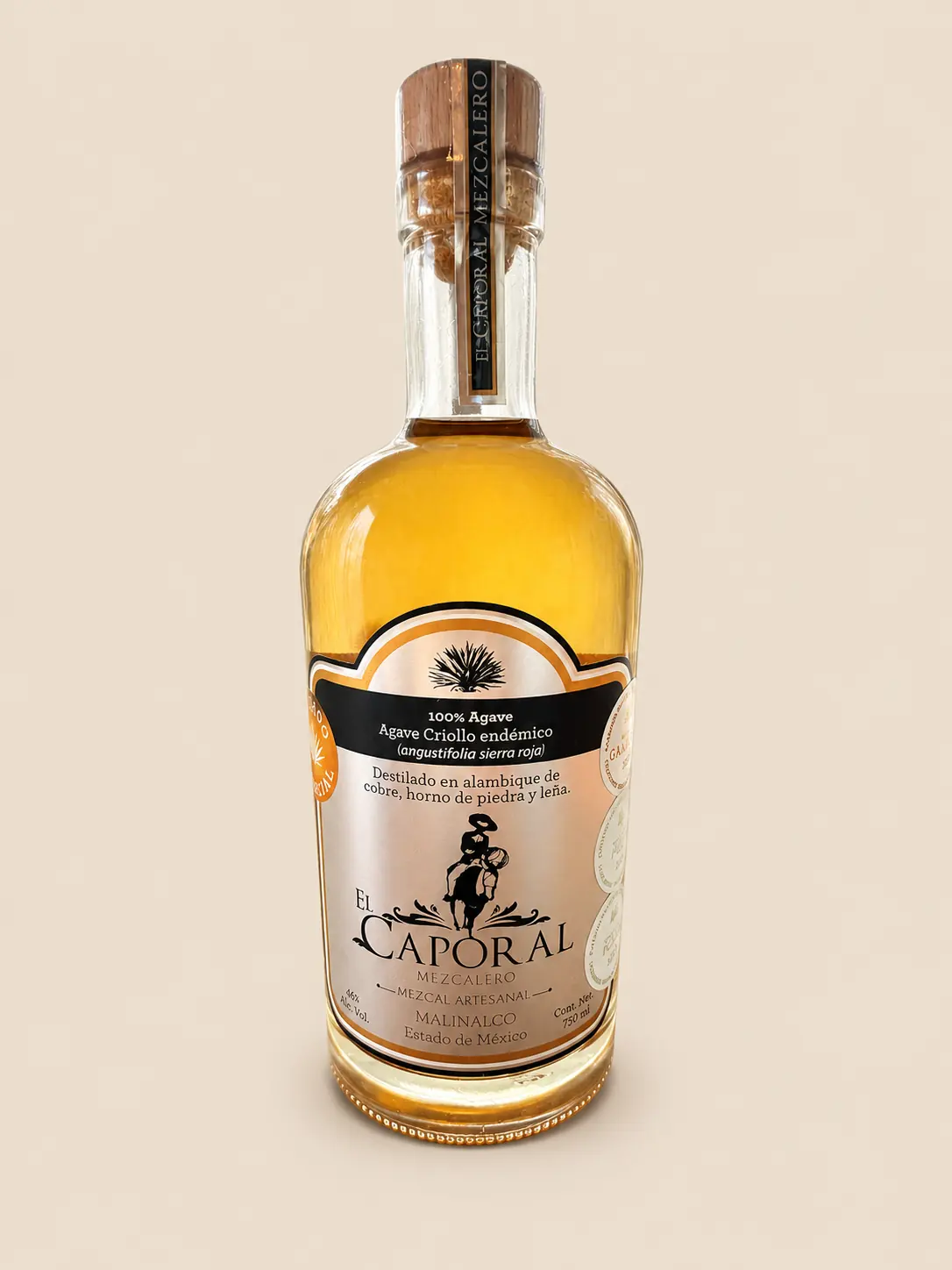
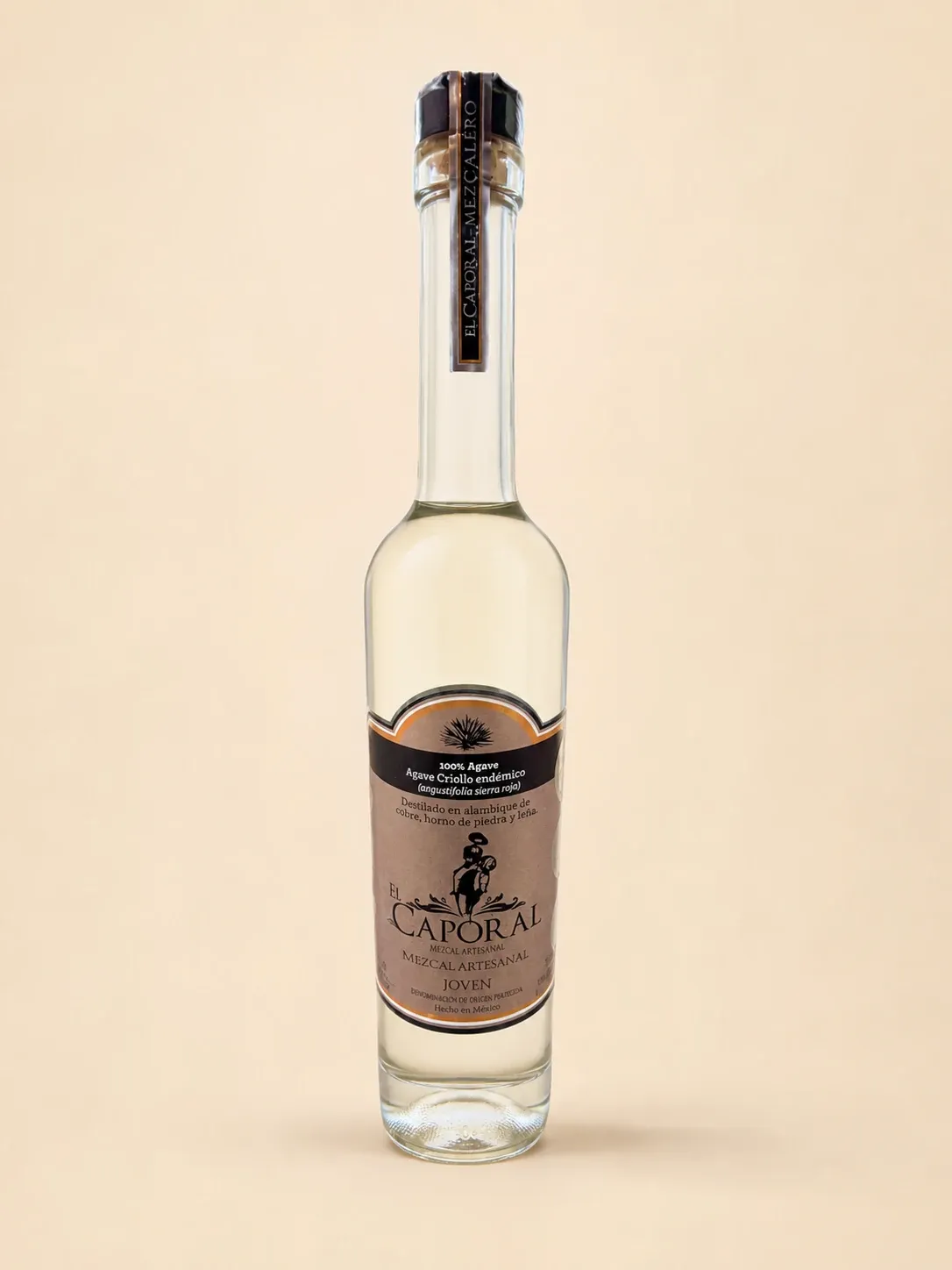
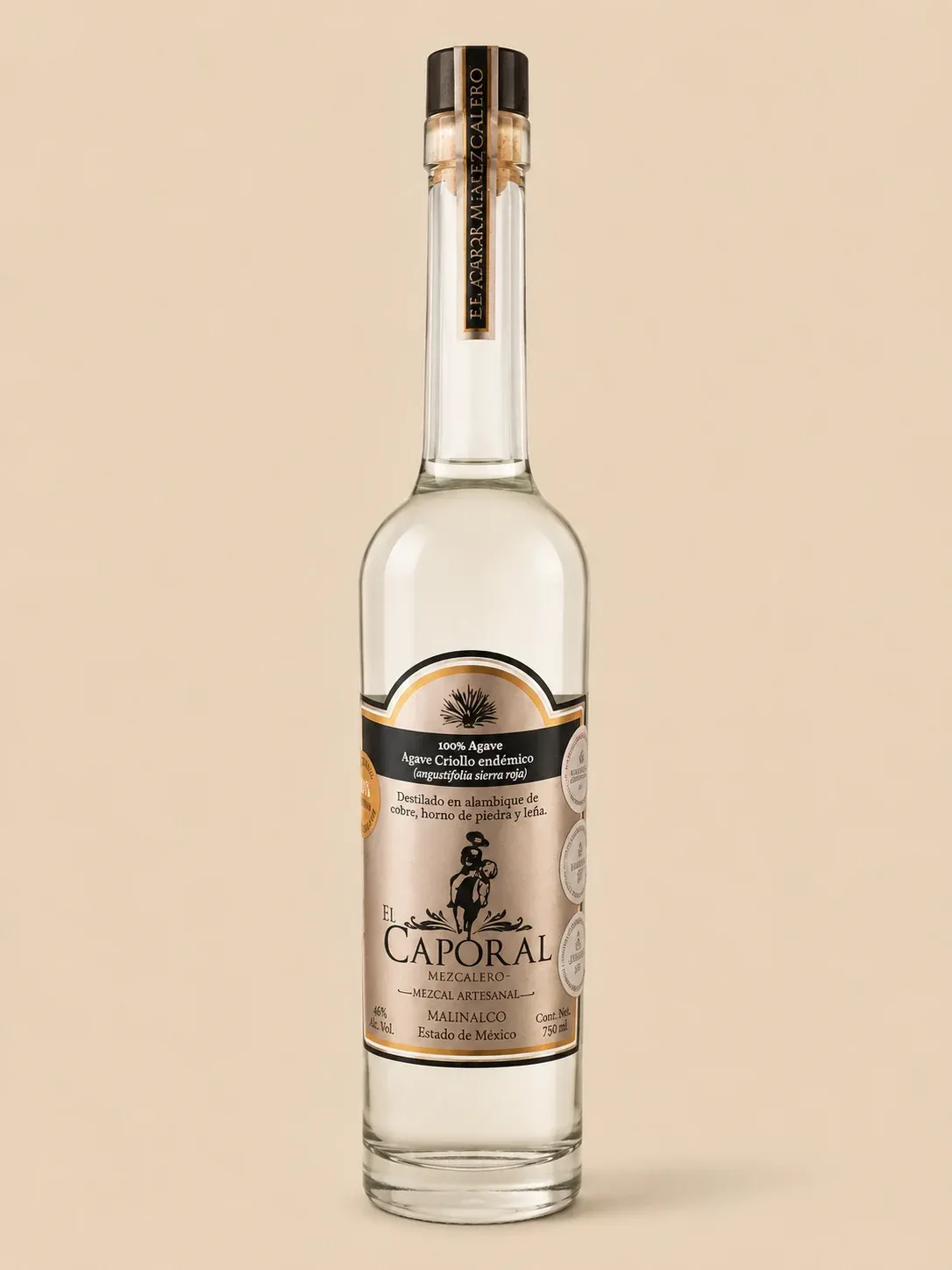
4 bottles in our database