
From Seed to Sip
Mezcal Amarás
Mezcal Amarás works across Oaxaca, Guerrero and Durango with multiple agave species, 18 maestros mezcaleros and a production model built around cultivation, biodiversity and long-term partnerships.
18 Maestros Mezcaleros7 Agaves Planted Per Harvested1.75 Million Agaves Planted
THE BRAND
About Mezcal Amarás
Towns
Miahuatlán · Nombre de Dios
Show all 5 townsShow fewer towns
San Pedro Totomachapam · Tixtla · Tlacolula
Founder
Santiago Suárez Córdova, Luis Niño de Rivera & Pablo Gálvez de Yturbe
Mezcaleros
Founded
2010
Website
EXPLORE THE COLLECTION
Bottle Lineup
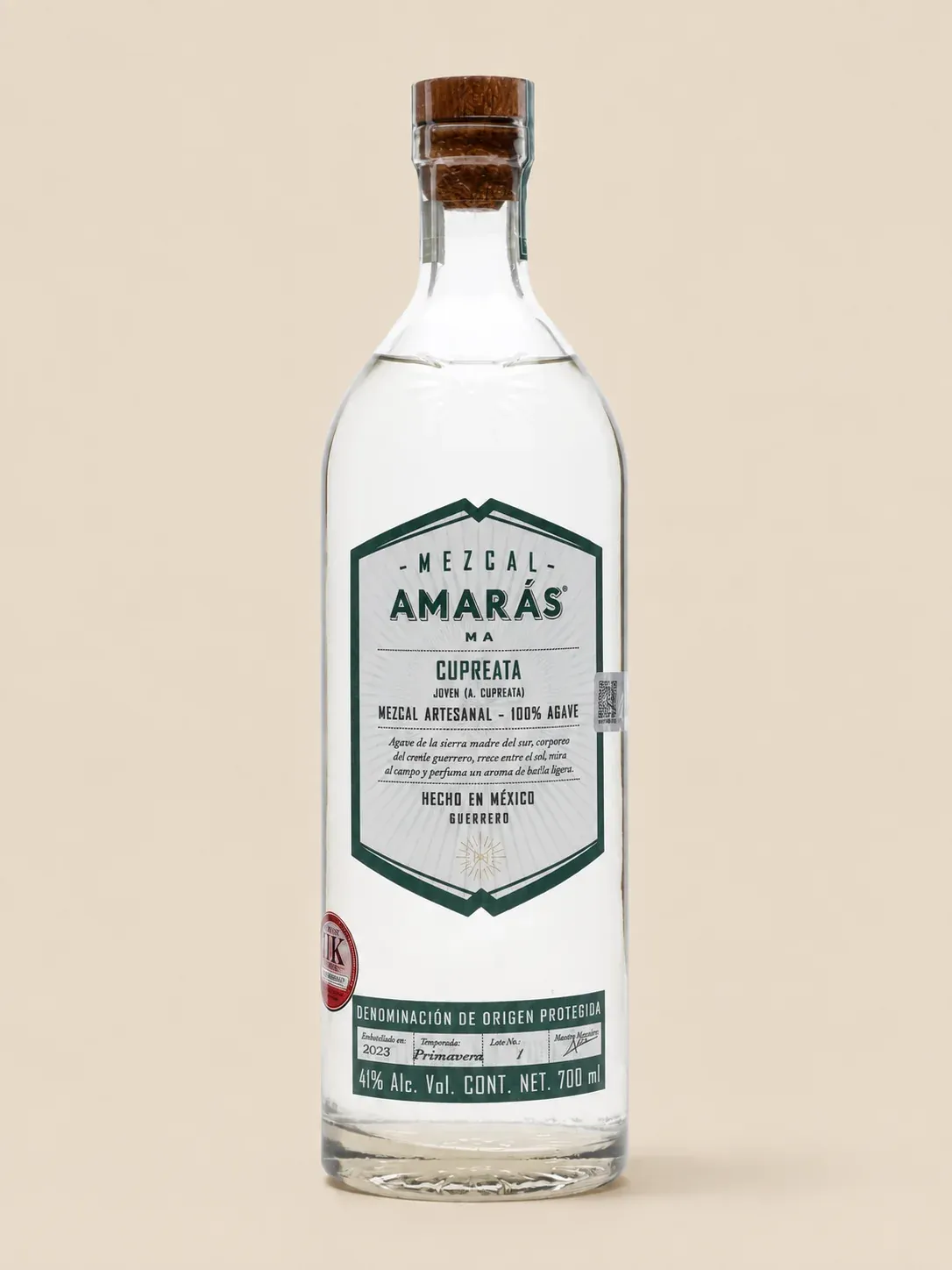
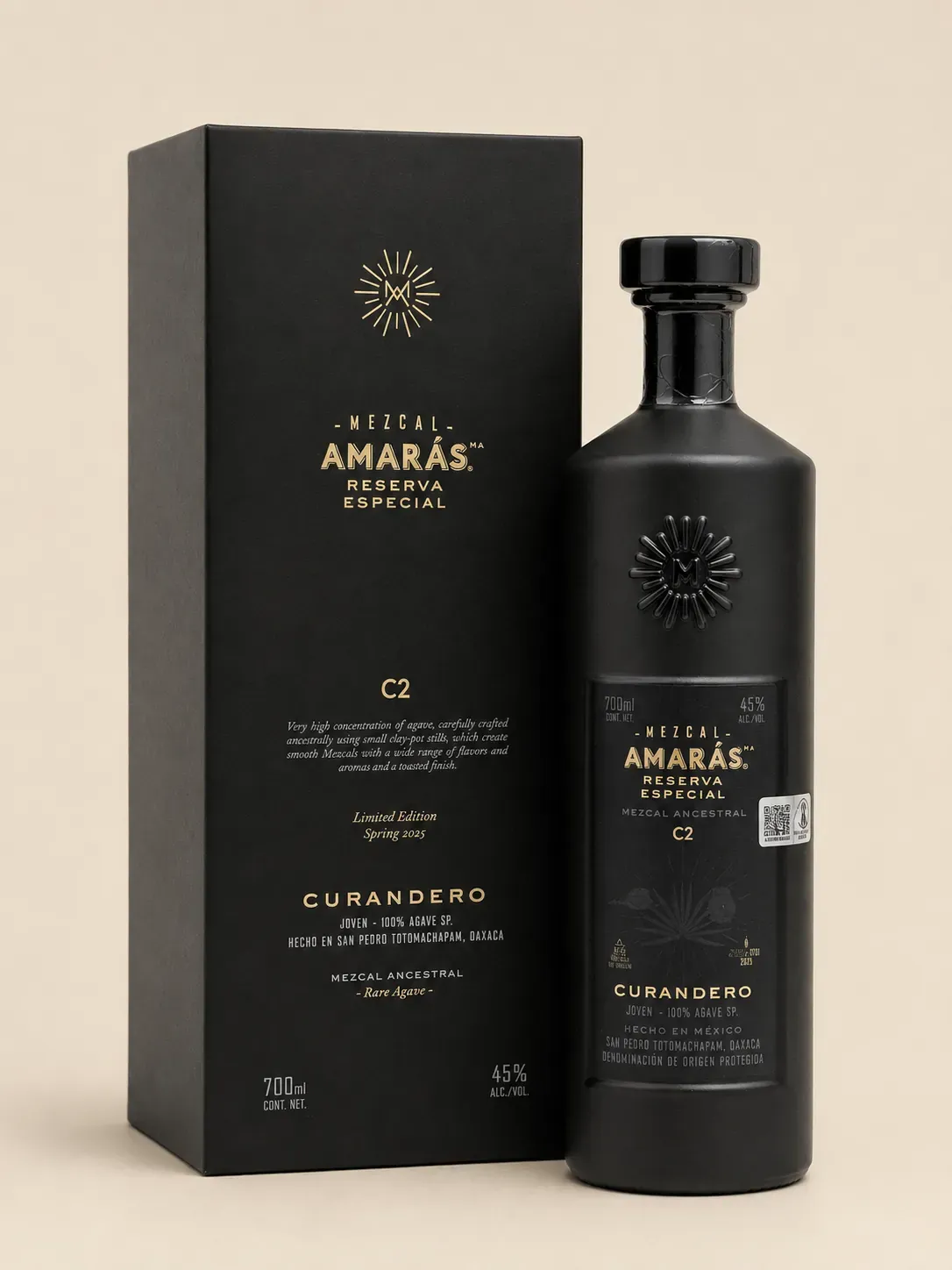
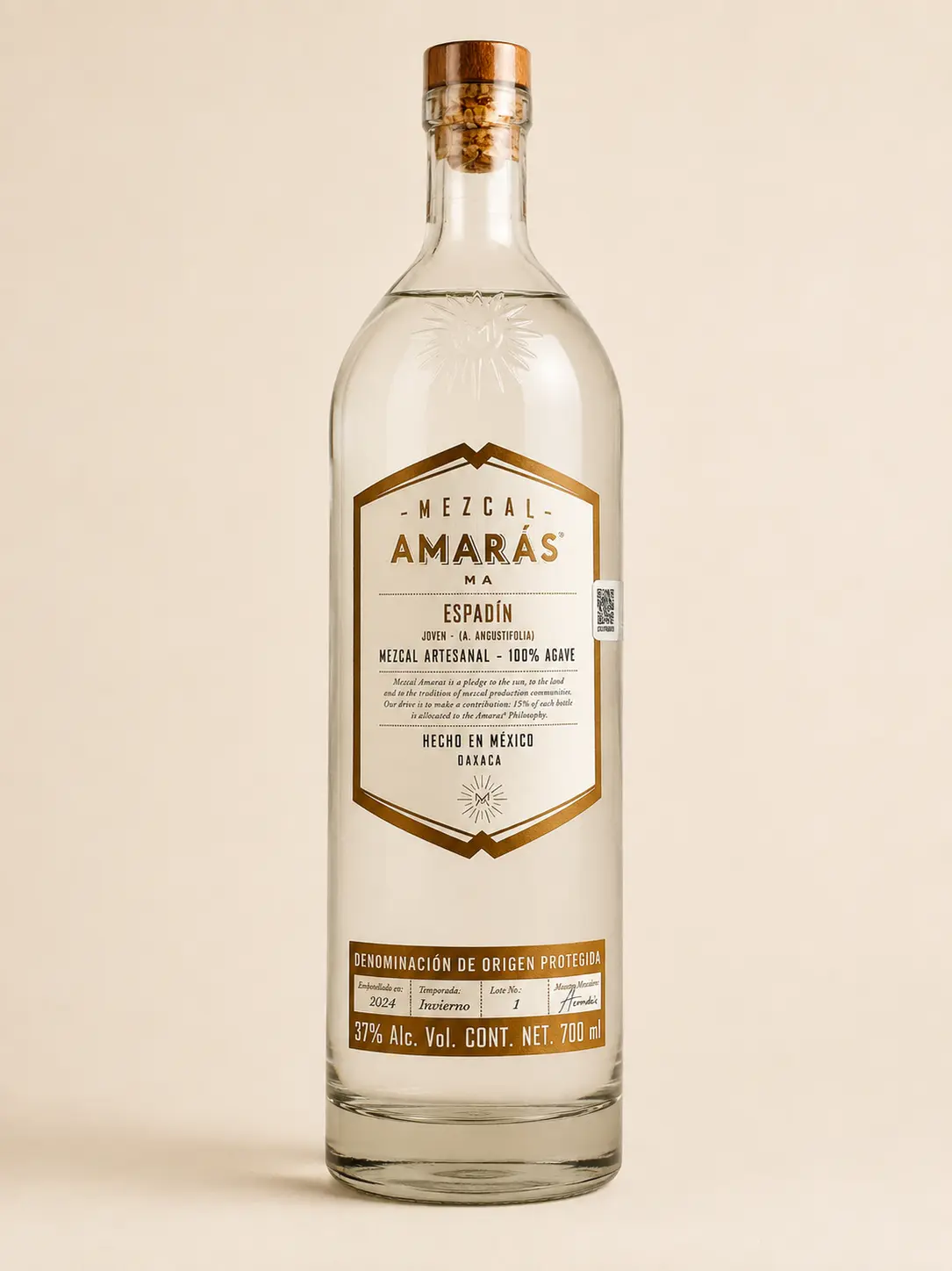
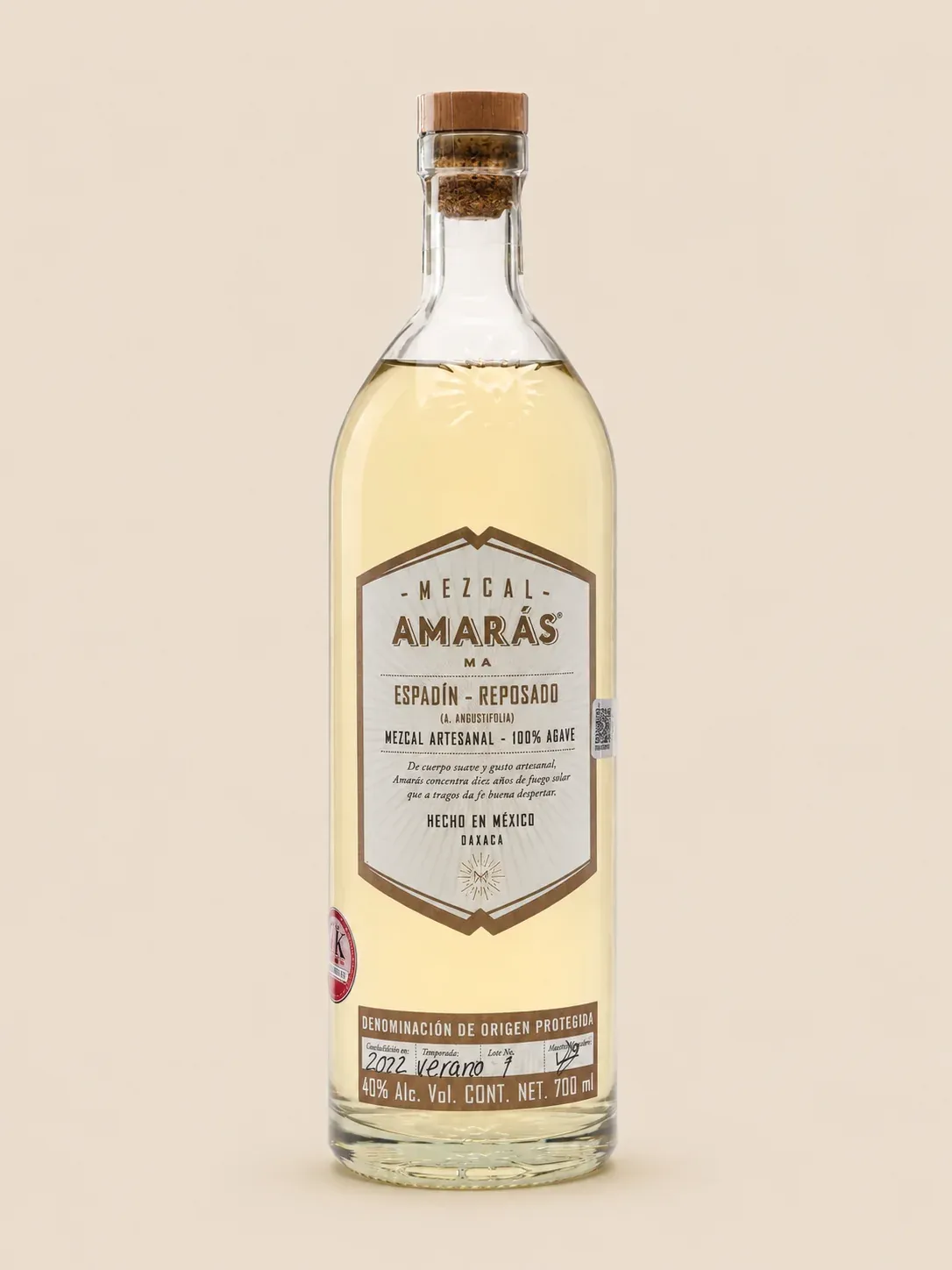
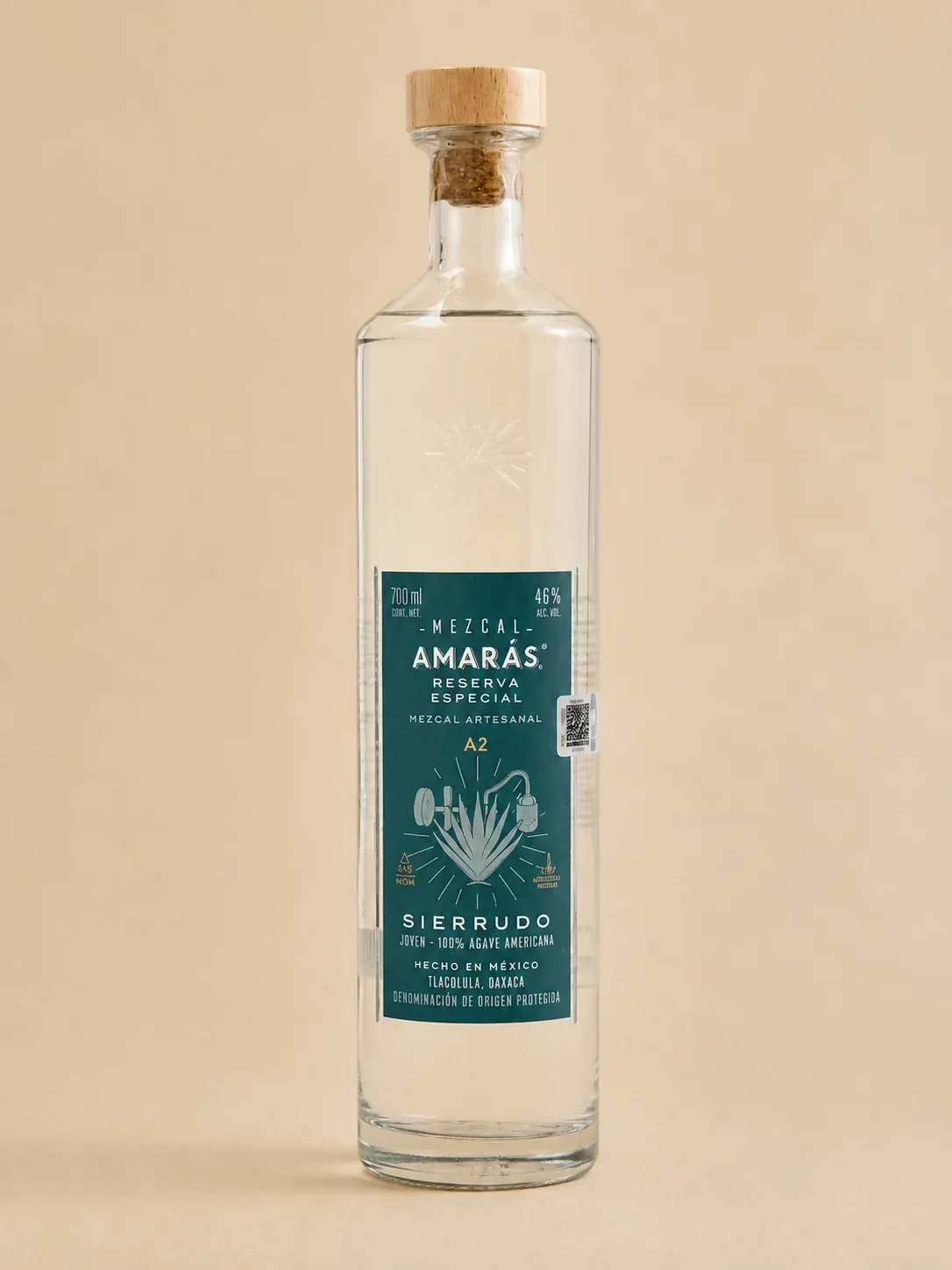
Showing 8 of 9
The Story Behind Mezcal Amarás
Mezcal Amarás began in 2010, when Santiago Suárez Córdova was spending time in Oaxaca while working on a nonprofit project focused on children’s nutrition, health and education.
Santiago had studied manufacturing engineering. In Oaxaca, he became interested in how agave species, maturation, place and production methods changed the character of mezcal.
From Mezcalerías to the Palenques
That interest moved quickly beyond drinking mezcal in bars.
Santiago began visiting producers across Oaxaca and eventually met around 40 to 50 maestros mezcaleros while looking for the first people he wanted to work with.
His engineering background shaped the questions he asked.
He focused on agave maturity, farming, fermentation, yields and the practical differences between one production method and another.
One of the key early producers was Enrique Jiménez in Santiago Matatlán, Oaxaca.
Jiménez made the original Amores Espadín using a stone oven, horse-powered Egyptian mill, pine fermentation vats and copper stills.
Luis Niño de Rivera Joins the Project
Luis Niño de Rivera came from the established spirits industry.
Between 2005 and 2009, he worked at Pernod Ricard Mexico with whisky and white spirits.
Despite that background, mezcal was still a relatively unfamiliar category to him.
Santiago and Luis had met while Santiago was working with the nonprofit project. After Luis left Pernod Ricard, Santiago approached him with the mezcal idea.
The project brought together two very different perspectives: Santiago’s production-focused research in Oaxaca and Luis’s experience inside a multinational spirits company.
The Founding Team
Pablo Gálvez de Yturbe joined Santiago and Luis as part of the founding group in 2010.
Pablo worked as Director of Operations from December 2010 until January 2014 and remained involved at board level after leaving the day-to-day role.
The team spent close to two years developing the business before the first commercial launch.
That included producer relationships, agave sourcing, production standards, brand identity and the structure of a business built around small-scale mezcal production.
The First Mezcal Amores Release
The brand entered the market as Mezcal Amores.
Its first commercial distribution took place in December 2011.
The initial run was approximately 50 cases, distributed through La Europea in Mexico City.
The early Espadín came from Santiago Matatlán and was produced by Enrique Jiménez.
| Milestone | Date |
|---|---|
| Project founded | 2010 |
| First commercial distribution | December 2011 |
| Initial distribution | Approx. 50 cases |
| First retailer | La Europea, Mexico City |
| Original brand name | Mezcal Amores |
| Early Espadín producer | Enrique Jiménez |
| Early production location | Santiago Matatlán, Oaxaca |
From Amores to Amarás
For its first decade, the brand operated as Mezcal Amores.
In 2021, Amores became Mezcal Amarás as the company consolidated its international identity under one name.
The new name stayed within the same linguistic idea.
Amarás comes from the verb amar, meaning “to love,” and translates as “you will love.”
The rebrand coincided with the company’s tenth anniversary and its expansion into a broader international portfolio.
Awards and recognition
More Than a Decade of Competition Medals
Amarás has collected major competition medals since 2012, with awards spanning its core range, Verde Amarás and Reserva Especial.
- Best in Show: Cupreata, San Francisco World Spirits Competition 2021
- Double Gold: Cupreata, San Francisco World Spirits Competition 2021 and 2022
- 96 Points: Cupreata, Chilled 100 Spirits Awards 2022
- 98 Points and Gold: Espadín Reposado, IWSC 2022
- Double Gold: Espadín-Tobalá Ensamble and Lumbre, San Francisco World Spirits Competition 2024
- Double Gold: Cenizo, San Francisco World Spirits Competition 2023
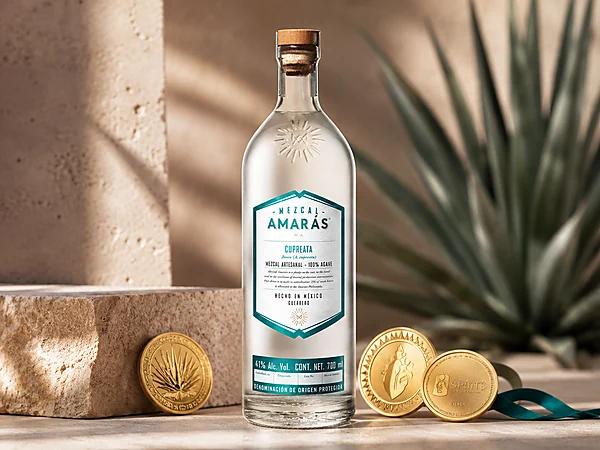
Where Mezcal Amarás Is Made
Amarás mezcal is produced in three states: Oaxaca, Guerrero, and Durango.
Five of the six current non-Reserva expressions are made in the Tlacolula area of Oaxaca. Cupreata is the exception, produced in Tixtla, Guerrero.
Reserva Especial adds production in other parts of Oaxaca and in Durango.
Oaxaca
Espadín Joven, Espadín Reposado, Americana, Espadín-Tobalá Ensamble and Verde Amarás are produced in the Tlacolula area of Oaxaca.
The original Amores Espadín was produced in Santiago Matatlán by Enrique Jiménez during the brand’s first commercial years.
Reserva Especial uses additional production areas in Oaxaca.
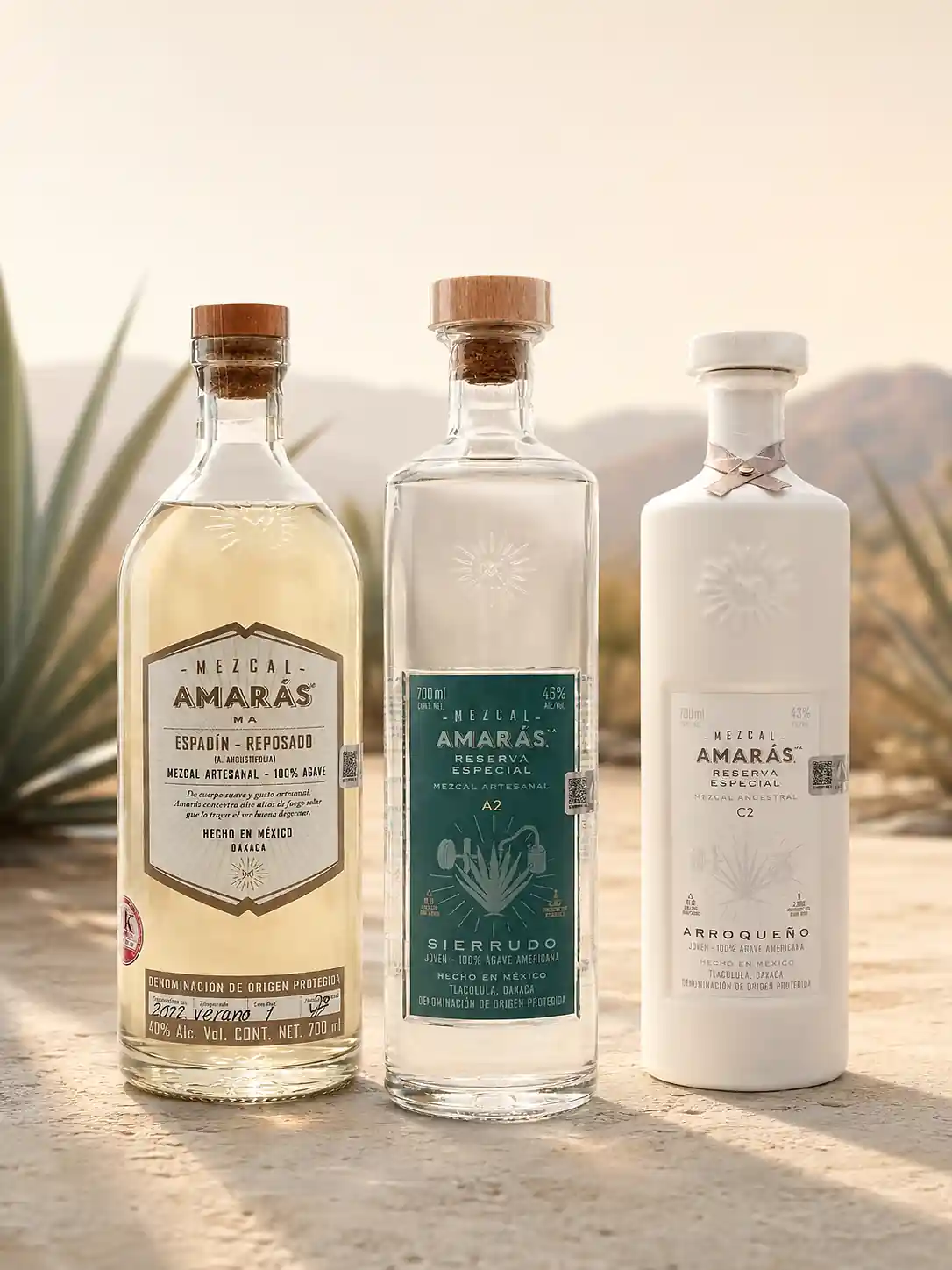
Sierrudo comes from Tlacolula. The agave takes around 10 to 12 years to mature, and the 2025 release was limited to 5,162 bottles.
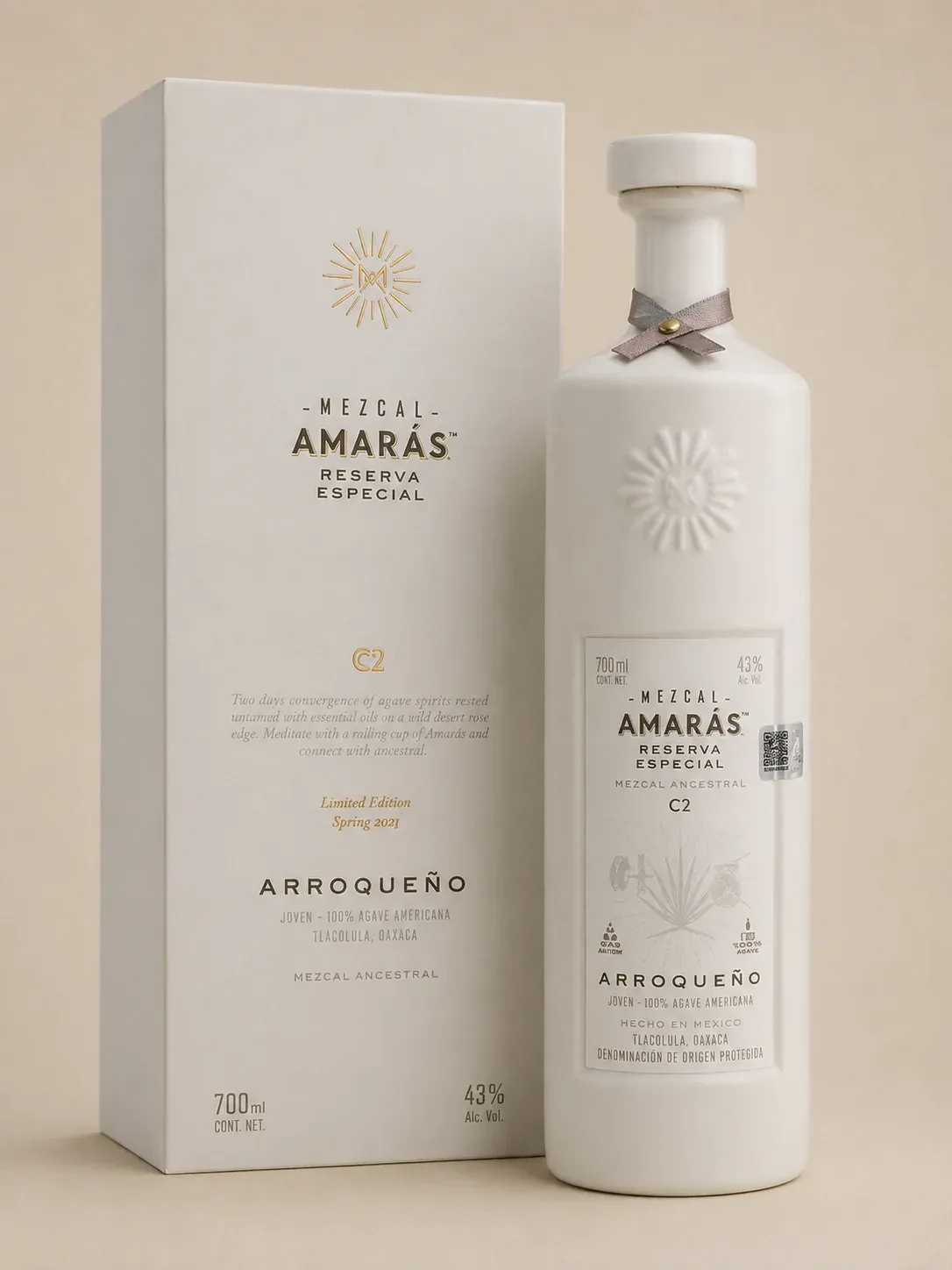
Arroqueño comes from Miahuatlán. The 2025 ancestral release was limited to 2,060 bottles.
Curandero comes from San Pedro Totomachapam. Only 399 bottles were produced for the 2025 release.
The same town produced Lumbre in 2024. That batch also contained 399 bottles and was made by Sandra Silva Pérez and Fredy Luis Chávez “Totoy.”
Guerrero
Cupreata is produced in Tixtla, Guerrero.
It uses Papalote, Agave cupreata, harvested after approximately 13 years.
The production uses a conical stone oven, an Egyptian mill, pine fermentation vats and copper stills.
Durango
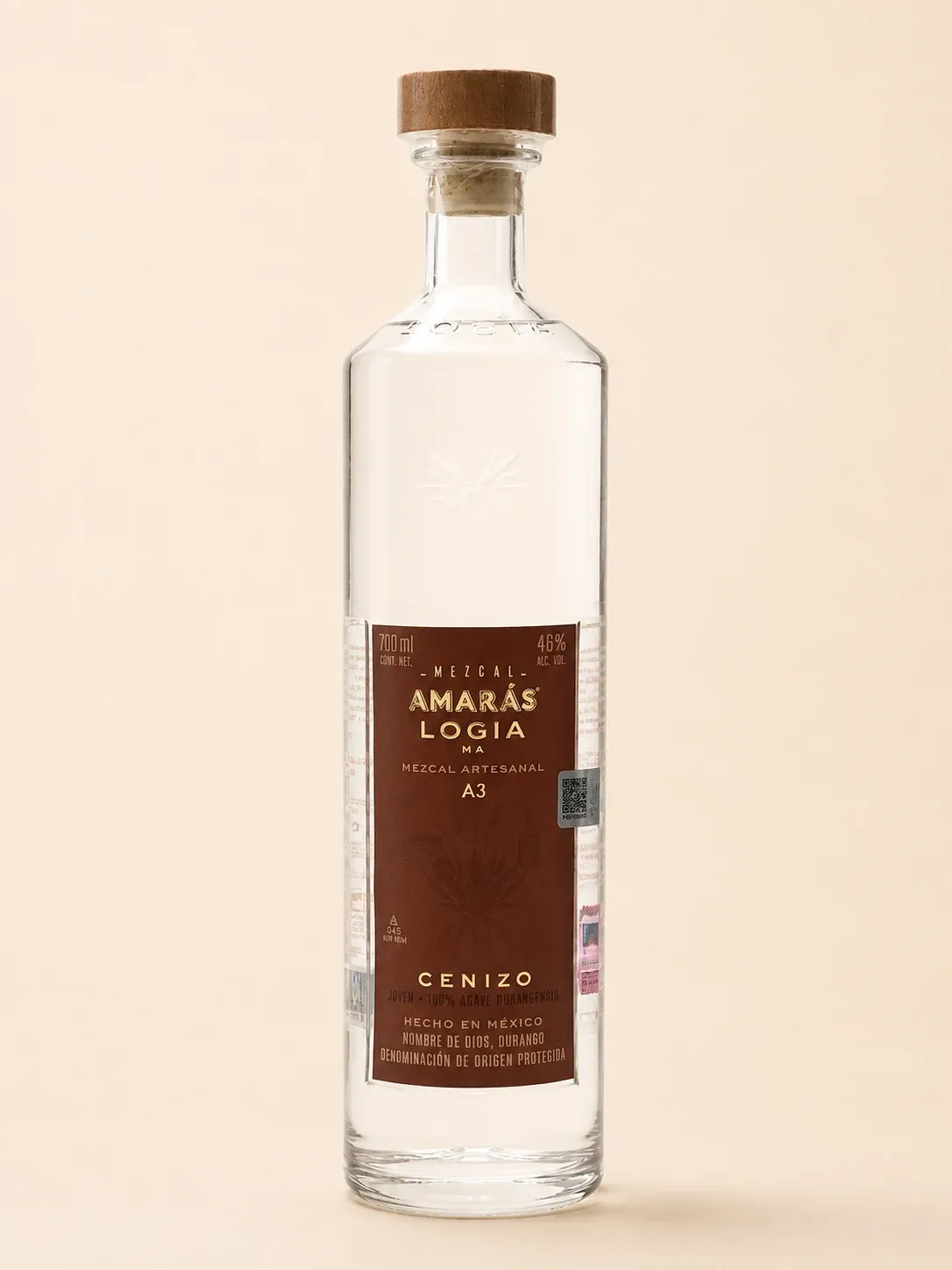
Cenizo Reserva Especial is produced in Nombre de Dios, Durango.
It uses wild Agave durangensis harvested at around 14 years.
The agave is chopped by axe instead of being crushed with a tahona, which is the more common milling method in much of artisanal mezcal production.
Fermentation takes place in rectangular pine vats set into the ground.
| State | Production locations | Amarás expressions |
|---|---|---|
| Oaxaca | Tlacolula | Espadín Joven, Espadín Reposado, Americana, Espadín-Tobalá, Verde Amarás, Sierrudo |
| Oaxaca | Santiago Matatlán | Original Amores Espadín |
| Oaxaca | Miahuatlán | Arroqueño |
| Oaxaca | San Pedro Totomachapam | Curandero, Lumbre |
| Guerrero | Tixtla | Cupreata |
| Durango | Nombre de Dios | Cenizo Reserva Especial |
18 Maestros Mezcaleros
Amarás currently works with 18 maestros mezcaleros across its production network.
Around 50% of Amarás production comes from collaborating maestros. The remaining production is handled through the company’s own distillery.
How the Partnerships Work
The collaborating maestros keep control over their production methods, production times and the amount of mezcal they make.
Amarás does not require a producer to increase output to meet brand demand.
It buys the volume each maestro is willing to sell. Producers can keep agave or finished mezcal for their own local customers.
The commercial support includes:
- Fair pricing for agave and finished mezcal
- Interest-free microloans
- Industry and business training
- Ongoing technical and commercial support
Maestros Behind Amarás Releases
The producer changes between regions, agaves, and individual Reserva Especial releases.
| Maestro mezcalero | Amarás releases | Production |
|---|---|---|
| Diana Orozco | Sierrudo, Arroqueño, Madrecuishe | Tlacolula & Miahuatlán, Oaxaca |
| Sandra Silva Pérez | Lumbre | San Pedro Totomachapam, Oaxaca |
| Fredy Luis Chávez “Totoy” | Lumbre, Curandero | San Pedro Totomachapam, Oaxaca |
| Bertha Domingo, Rubén López | Horno | Santa Catarina Albarradas, Oaxaca |
Diana Orozco
Diana Orozco has worked on several Reserva Especial releases, including Sierrudo and Arroqueño.
She also produced the limited Madrecuishe release using ancestral clay-pot distillation.
Sandra Silva and Totoy
Sandra Silva Pérez and Fredy Luis Chávez “Totoy” produced the 2024 Lumbre release in San Pedro Totomachapam.
Lumbre was fermented naturally in clay pots and then double distilled in clay. Only 399 bottles were produced.
Totoy also produces Curandero at the family-run Palenque El Curandero in San Pedro Totomachapam.
Bertha Domingo and Rubén López
Bertha Domingo and Rubén López produced the 2023 Horno release using ancestral methods.
The batch was limited to approximately 400 bottles worldwide.
How Mezcal Amáras is produced
Mezcal Amarás does not follow one fixed production method. The process changes by agave, region and release, from copper-distilled core expressions to ancestral clay-pot releases in Reserva Especial.
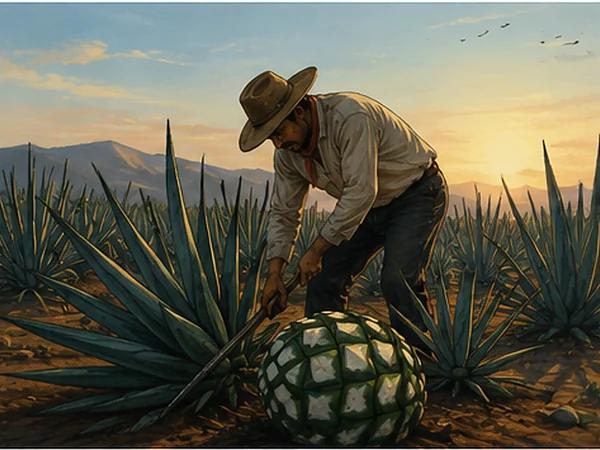
01 · HARVEST
Agaves Harvested at Different Ages
Espadín Joven and Reposado use 8-year Espadín. The Ensamble combines 8-year Espadín with 12-year Tobalá, while Cupreata matures for around 13 years in Guerrero and Cenizo for around 14 years in Durango.
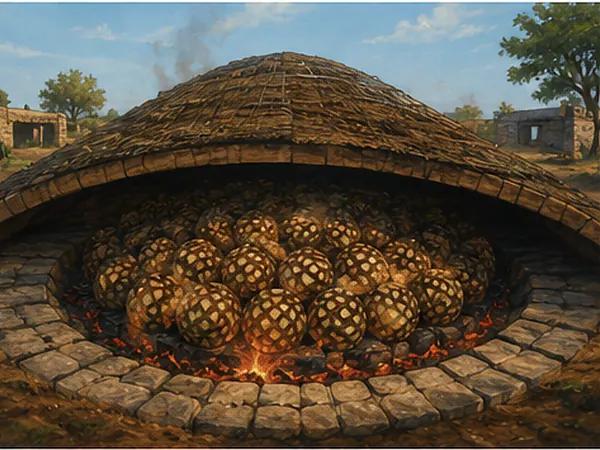
02 · COOKING
Different Woods for Different Releases
Espadín Joven, Reposado, Ensamble, Americana and Cupreata are cooked in conical stone ovens. Espadín and Cupreata use oak, while Cenizo uses mesquite and huizache. Lumbre and Curandero use black oak and sabino.
03 · MILLING
From Egyptian Mills to Hand Milling
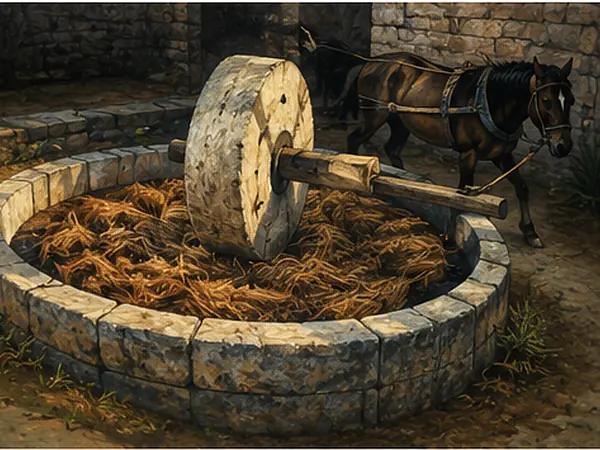
Espadín Joven, Reposado, Ensamble, Americana, Cupreata and Azul are milled with an Egyptian mill. Cenizo is chopped by hand with an axe, while Lumbre and Curandero are milled with a wooden canoe and mallet.
04 · FERMENTATION
Pine Vats and Clay Pots
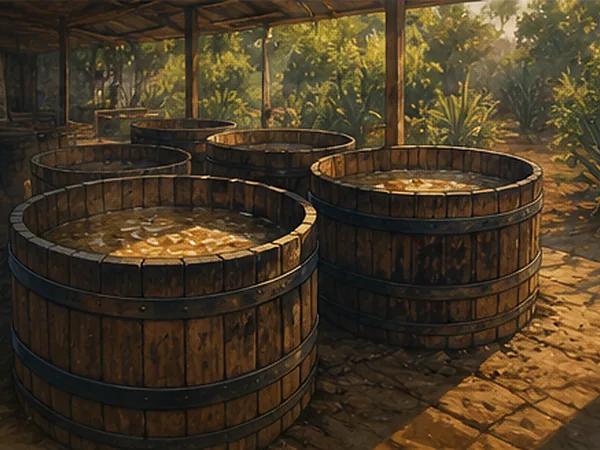
Espadín Joven and Reposado ferment in pine vats. Ensamble and Cupreata use circular pine vats, while Cenizo ferments in rectangular vats set at ground level. Lumbre and Curandero ferment naturally in clay pots.
05 · COPPER DISTILLATION
The Artesanal Releases
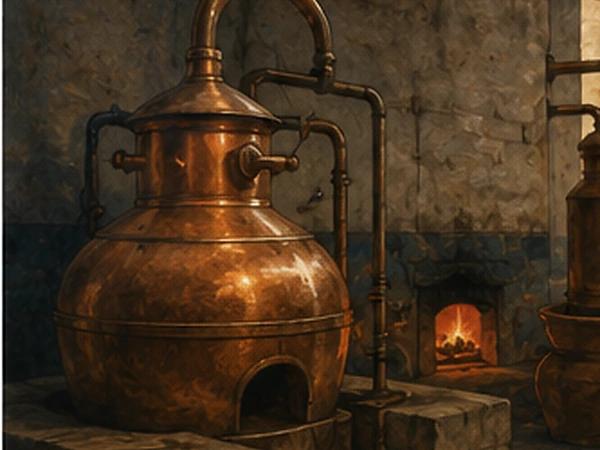
Espadín Joven, Reposado, Americana, Ensamble, Cupreata and Azul are distilled in copper stills. The Ensamble and Americana are double distilled in copper.
06 · CLAY DISTILLATION
The Ancestral Releases
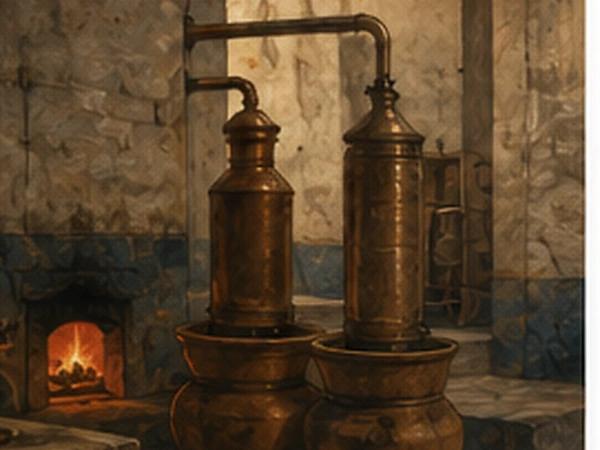
Lumbre is fermented in clay and then double distilled in clay pots in San Pedro Totomachapam. Curandero follows the same ancestral route, while Horno is another Reserva Especial release produced with clay distillation.
The Amarás Nomenclature
Amarás uses its own classification system to show two things on a bottle: how the mezcal is produced and how much agave is required per liter.
The system was developed after around ten years of research with the Instituto Tecnológico de Oaxaca, UTSSO, and agave specialist Rafael Ayala.
A or C: The Production Method
The first character identifies the mezcal category used in the Amarás system.
| Letter | Method | Distillation |
|---|---|---|
| A | Artesanal | Copper still |
| C | Ancestral | Clay pots |
An A4 Cupreata, for example, is an artesanal mezcal.
A C2 Curandero is made using an ancestral process with clay-pot distillation.
1 to 5: Agave Required per Liter
The number relates to the agave's sugar concentration and the amount of raw agave needed to produce one liter of mezcal.
Lower numbers require fewer kilograms per liter. Higher numbers require progressively more agave.
| Level | Artesanal | Ancestral |
|---|---|---|
| 1 | 6-10 kg/L | 8-15 kg/L |
| 2 | 10-14 kg/L | 15-20 kg/L |
| 3 | 14-20 kg/L | 20-29 kg/L |
| 4 | 20-26 kg/L | 29-38 kg/L |
| 5 | More than 26 kg/L | More than 38 kg/L |
What the Codes Look Like on Amarás Mezcal Bottles
The codes make it possible to compare very different Amarás releases without reducing them to agave variety alone.
| Release | Code | What it means |
|---|---|---|
| Espadín Joven | A1 | Artesanal, 6-10 kg agave per liter |
| Verde Amarás | A1 | Artesanal, 6-10 kg agave per liter |
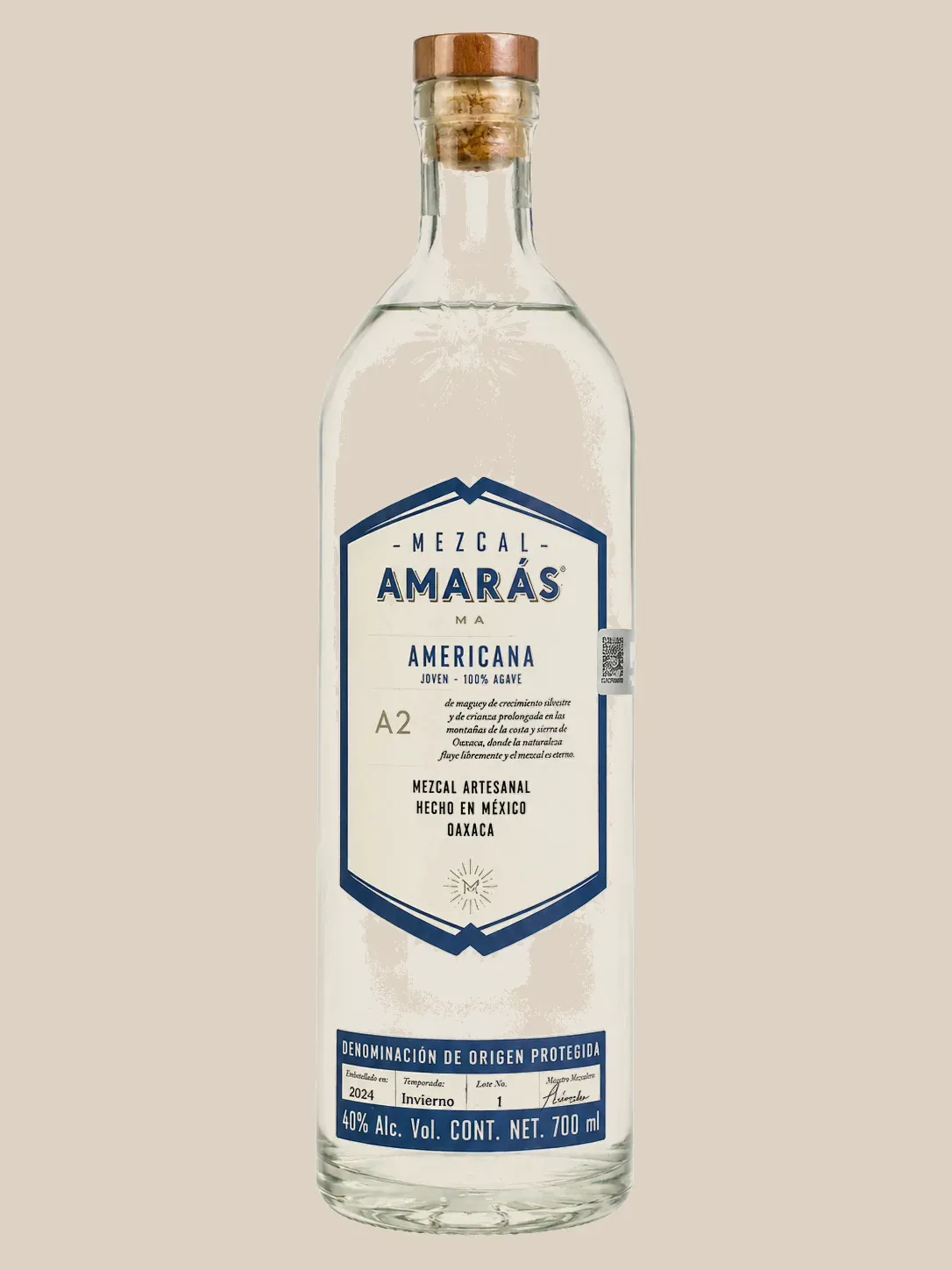
| Americana | A2 | Artesanal, 10-14 kg agave per liter |
| Cenizo | A3 | Artesanal, 14-20 kg agave per liter |
| Cupreata | A4 | Artesanal, 20-26 kg agave per liter |
| Arroqueño | C2 | Ancestral, 15-20 kg agave per liter |
| Curandero | C2 | Ancestral, 15-20 kg agave per liter |
| Lumbre | C2 | Ancestral, 15-20 kg agave per liter |
The scale also explains why two bottles can require very different quantities of agave even when both are sold as mezcal.
An A1 expression can use as little as 6 kg per liter. At the other end, a C5 requires more than 38 kg.
From Seed to Sip
From Seed to Sip covers agave cultivation, biodiversity, producer economics, waste management and reinvestment across the Amarás production network.
The program has reached 1.75 million agaves planted across roughly 700 hectares, with more than 16 agave species growing in Oaxaca, Guerrero and Durango.
Amarás by the numbers
Land & Agave
- 7 agaves planted for every 1 harvested
- 1.75 million agaves planted
- Around 700 hectares under cultivation
- 16+ agave species growing across three states
- 18+ agave types held in nursery programs
- Planting on previously deforested land
People & Production
- Up to 20% of net bottle sales reinvested
- 18 maestros mezcaleros across the production network
- Fair pricing for agave and finished mezcal
- Interest-free microloans
- Technical and business training
- Support for small agave growers
Protecting Agave Diversity
The nursery program holds seeds and plants from more agave varieties than Amarás currently uses commercially.
This allows species to be propagated years before they are needed for production.
Wild-agave projects have included Coyote, Lumbre and Chuparrosa, alongside better-known varieties such as Tobalá and Cupreata.
Chuparrosa became a research project after an unclassified agave was found in Oaxaca.
Seeds were collected for propagation while taxonomic work continued with the Instituto de Biología at UNAM.
For every mature agave harvested, an average of seven new plants are established.
Producer Economics
Maestros control how much mezcal they produce and how much they sell to Amarás.
They can retain agave or finished mezcal for their own customers instead of committing the entire production to the company.
The production network also includes interest-free microloans and training in production, business, and industry practices.
Up to 20% of net sales from each bottle can be reinvested in social and environmental programs.
Water, Soil and Distillery Waste
Agave fiber and other production waste are reused instead of being discarded after distillation.
Organic material can be converted into compost and returned to the soil.
New agave fields are established without clearing existing forest, while biological cultivation methods reduce dependence on chemical treatments.
Water projects include rainwater collection and small retention ponds designed to keep more water in the landscape.
Forest, soil, and water conservation work has also included collaboration with WWF.
The Agaves of Amarás
Mezcal Amarás works with agaves that mature at very different speeds, from 8-year Espadín in Oaxaca to slower-growing varieties used for Reserva Especial.
The portfolio includes cultivated agaves alongside small releases made from regional varieties such as Lumbre, Curandero, Arroqueño, and Sierrudo.
| Agave | Species | Maturity |
|---|---|---|
| Espadín | Agave angustifolia | ~8 years |
| Tobalá | Agave potatorum | ~12 years |
| Americana | Agave americana | 8-10 years |
| Cupreata | Agave cupreata | ~13 years |
| Cenizo | Agave durangensis | ~14 years |
| Sierrudo | Agave americana | 10-12 years |
| Arroqueño | Agave americana | 15-20 years |
| Lumbre | Agave sp. | 10-12 years |
| Curandero | Agave sp. | 10+ years |
Reserva Especial and Rare Agaves
Reserva Especial is where Mezcal Amarás works with its smallest batches and some of the least common agaves in the portfolio.
Cenizo is the only permanent expression. The rest of the range changes with each release and includes both artesanal and ancestral production.
Mezcal Amarás Small-Batch Releases
Several Reserva Especial releases are counted in the hundreds or a few thousand bottles.
Curandero was released in 2025 with only 399 bottles.
Lumbre followed the same scale in 2024, also with 399 bottles.
Arroqueño reached 2,060 bottles, while Sierrudo was produced in a batch of 5,162 bottles.
Earlier releases include Horno, Madrecuishe, Coyote, Mexicano, Azul, Tepeztate, Sacatoro, Chuparrosa, Tobalá and Sierra Negra.
Chuparrosa and Agave Research
Chuparrosa stands out because the agave had not been scientifically classified when the mezcal was released.
The plant was found in the Chontal region of Oaxaca and was used for a limited run of 333 bottles.
Research into the agave began in 2020 with Dr. Abisaí García at UNAM’s Instituto de Biología.
Seeds were collected and propagated while the taxonomic work continued.
Chuparrosa is still presented botanically as Agave sp.
Current and Previous Reserva Especial Releases
| Release & Year | Batch size | Agave |
|---|---|---|
| Curandero (2025) | 399 bottles | Agave sp. |
| Arroqueño (2025) | 2,060 bottles | Agave americana |
| Sierrudo (2025) | 5,162 bottles | Agave americana |
| Lumbre (2024) | 399 bottles | Agave sp. |
| Madrecuishe (2024) | 2,060 bottles | Agave karwinskii |
| Coyote (2024) | 5,162 bottles | Agave americana |
| Horno (2023) | ~400 bottles | Horno |
| Chuparrosa (2021) | 333 bottles | Agave sp. |
Verde Amarás and the Artist Labels
Verde Amarás is the Espadín expression Amarás uses for its rotating artist-label program.
The mezcal is made in Tlacolula, Oaxaca, from 8-year Espadín and fermented naturally before copper distillation.
From Verde Momento to Verde Amarás
The bottle was originally sold as Verde Momento.
In 2022, the same mezcal became Verde Amarás, bringing it under the Amarás name without changing the underlying product.
The artist-label project predates that rebrand.
New label collections have appeared every year since 2016, making the bottle itself a changing part of the Verde range.
More Than 88 Labels
More than 88 collectible designs have been produced since the program began.
Each annual edition uses a new group of artists rather than keeping one permanent bottle design.
Recent collections have included illustrators, photographers and multidisciplinary artists from Mexico and abroad.
The 2026 series was developed with Premios Gorrita Azul and curated by Mexican artist Mario García Torres.
| Artist Series | Artists / collaboration |
|---|---|
| 2022 | Apexer, Celeste Byers, Daniel Barreto, Daniel Robin Clurman, Face The Stranger, Mathieu Cabot, Miranda Tacchia |
| 2023 | Ananas, José Olivares, Luvia Lazo, Nacional Curiot, MA Studio, Sergio Sánchez |
| 2024 | Alice Querasma, Andrea Wan, Giorgio Celin, Pía Riverola, Ricardo Luevanos, Victoria Villasana |
| 2025 | Fernando Gress Muñoz, Alicia Valladares, Carolina Fusilier, Eduardo Barajas |
| 2026 | Premios Gorrita Azul collaboration, curated by Mario García Torres |